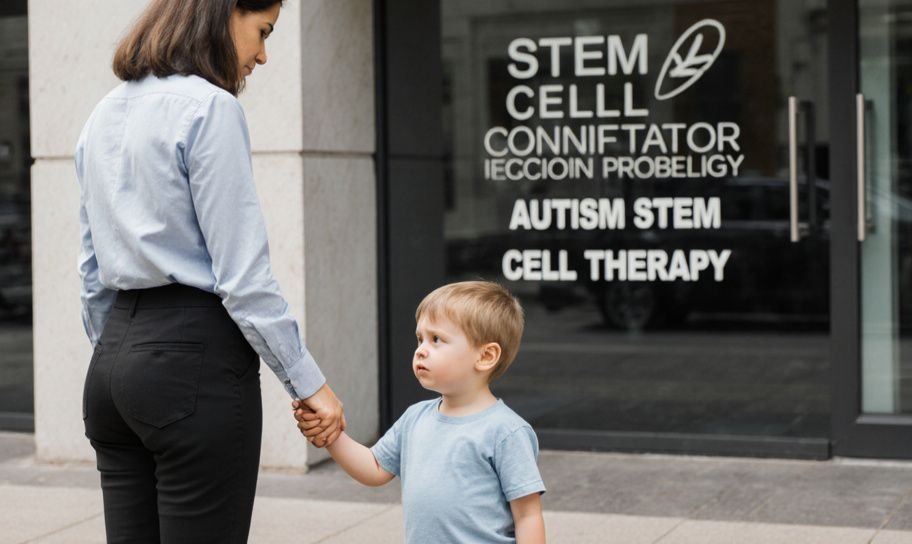
Summary: The Supreme Court of India, led by Justice J.B. Pardiwala, decided against the regular use of stem cell therapy for Autism Spectrum Disorder (ASD), stressing it should only be done within approved clinical trials.
On January 30, 2026, the Supreme Court looked into a public interest case brought by Yash Charitable Trust and others against the Union of India. The case raised concerns about clinics promoting stem cell therapy as a cure for ASD without enough scientific support.
Yash Charitable Trust argued that many clinics were advertising stem cell therapy as a cure for ASD, taking advantage of the hopes of affected families. They pointed out that this therapy is still experimental and hasn't been proven to work. They wanted the government to enforce existing rules to stop unapproved therapies.
Lack of Scientific Evidence: The court noted there is no solid evidence supporting the effectiveness of stem cell therapy for ASD. It emphasized that offering such treatments without enough support is unethical and could mislead patients.
Regulatory Framework: The court pointed out that stem cell therapies must follow the National Guidelines for Stem Cell Research, 2017, and should only be done as part of clinical trials.
Professional Misconduct: The court ruled that offering stem cell therapy for ASD as a regular service is unprofessional. It stated that doctors must follow recognized medical practices based on current scientific knowledge.
Patient Consent: The court emphasized that real consent requires enough information, which is currently missing for stem cell therapies in ASD.
The court outlined that stem cells used in therapies must be categorized correctly. If they are not classified as "new drugs," they still fall under the broader definition of "drugs" and must be regulated accordingly.
Clinical Trials Only: Stem cell therapy for ASD should only happen in approved clinical trial settings. The court urged the Ministry of Health to create a clear set of rules and ensure oversight by a dedicated authority.
Pending Compliance: The Ministry of Health and Family Welfare is to submit a plan to move ongoing treatments to clinical trials, ensuring patients are not suddenly affected.
This judgment highlights the importance of sticking to scientific standards and ethical practices in medical treatments, especially those involving vulnerable groups like individuals with ASD.