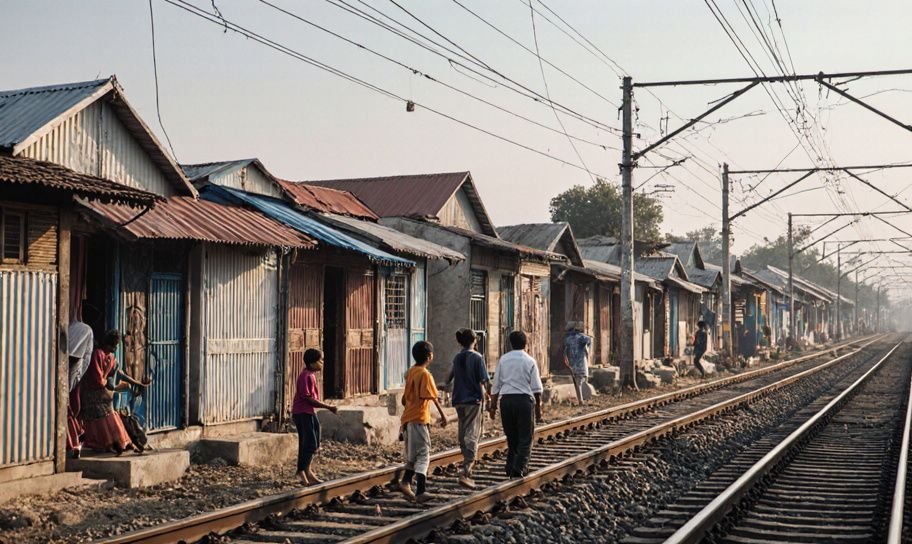
Summary: In an important decision, the Bombay High Court has told 25 families to leave homes built without permission on railway land in Malad, Mumbai. The court rejected their requests for a new place to live, focusing on the fact that they were living there illegally.
On February 26, 2026, Judges Ravindra V. Ghuge and Abhay J. Mantri of the Bombay High Court made a decision affecting 25 families living in Malad (East), Mumbai. These families had been staying on land owned by the Western Railway, saying they had been there since 1980.
The problem started on January 23, 2025, when the Estate Officer and Divisional Engineer of Western Railway sent out orders for the families to leave. They were given 15 days to move out. This was based on a law about removing people from public land they are using without permission.
"The homes are not allowed, and the people living there must leave within 15 days," the order said.
The families, with their lawyer Mr. Aseem Naphade, argued that they should be treated as Project Affected Persons (PAP) under the Mumbai Urban Transport Project. They mentioned a government decision from December 12, 2000, and a Supreme Court decision in a similar case.
However, the court found that the families couldn't prove they qualified for these programs. Their homes were not in the area set aside for possible help.
The court decided against the families, saying their homes were not allowed and not covered by any program to help them. The decision said:
"The families are not allowed any help under the Government Resolution dated 12th December 2000."
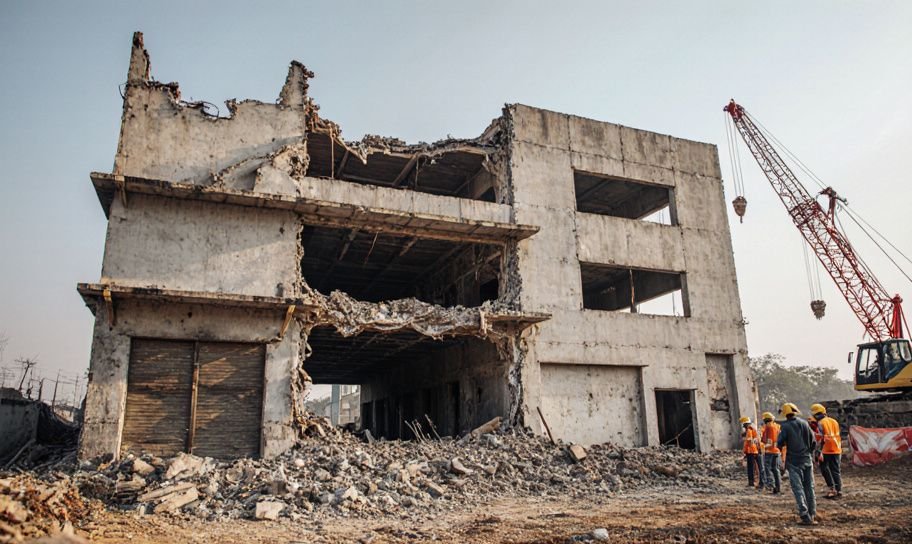
The court told the families to leave within 60 days. If they don't, the Western Railways can take action, including tearing down the homes, with help from the police.
"The Superintendent of Police must make sure there is enough security during the eviction," the court said.
The decision allows the families to apply for any help programs, but there are no promises.
The court's decision highlights the difficulties faced by people living without permission on public land. While it recognized that they had lived there for a long time, it followed the law for eviction, which might influence similar situations in Mumbai and other places.