Summary: A legal battle reached the Supreme Court about whether a mosque, said to be set up in a residential complex, should be dealt with by the Wakf Tribunal. The court decided that the case should go to a regular civil court because the mosque wasn't properly registered as a waqf property.
In 2008, a mosque was reportedly set up on the ground floor of an apartment building owned by Habib Alladin in India. Mohammed Ahmed and others claimed they had been using the space for prayers, but access was blocked in 2021. They asked the court to stop anyone from interfering with their prayers.
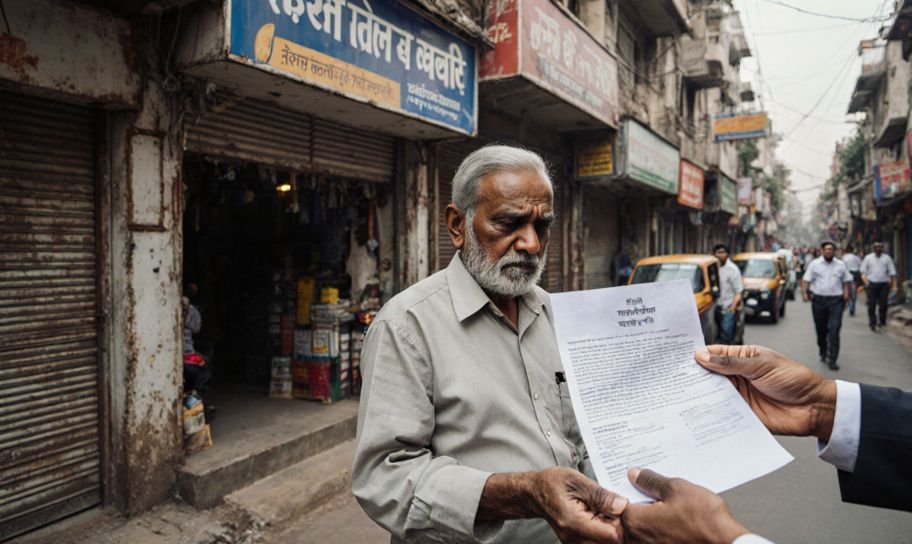
The property owners, led by Habib Alladin, filed a request under specific legal rules, arguing there wasn't an official mosque in the complex. They pointed out that the mosque wasn't registered as a waqf property under the Wakf Act of 1995, which is needed for the Tribunal to have authority over the case.
The High Court turned down Habib Alladin's request, saying that the mosque could be seen as a "waqf by user," meaning it had gained waqf status through public use, even without formal registration. Habib Alladin then took the issue to the Supreme Court.
On January 28, 2026, Justices Sanjay Kumar and K. Vinod Chandran decided that the case shouldn't be handled by the Wakf Tribunal. They stressed that for a property to be considered a waqf, it must be listed or registered as such. Since the mosque wasn't officially recognized, the Tribunal didn't have the authority to decide on the matter.
The ruling highlights the importance of proper registration under the Wakf Act for properties to be dealt with by the Wakf Tribunal. This decision emphasizes the need for legal formalities in religious property disputes.
The court's decision allows Habib Alladin and Mohammed Ahmed to take the matter to a civil court, where the status of the mosque can be looked into further. This case shows the complexities involved in religious property disputes and the important role of proper legal documentation.