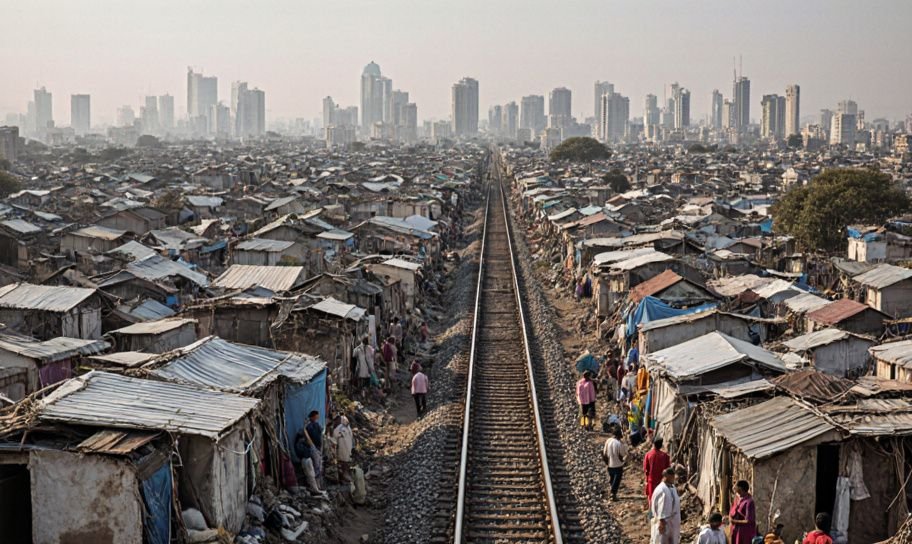
Summary: Recently, a court decided that several buildings built without permission on railway land in Mumbai had to be cleared out. The people living there, who said they had been there for a long time and should be allowed to move to new homes, faced eviction under the Public Premises Act, 1971. The court ruled against Deepak Kisan Bagdi, focusing on the legality of the eviction notices.
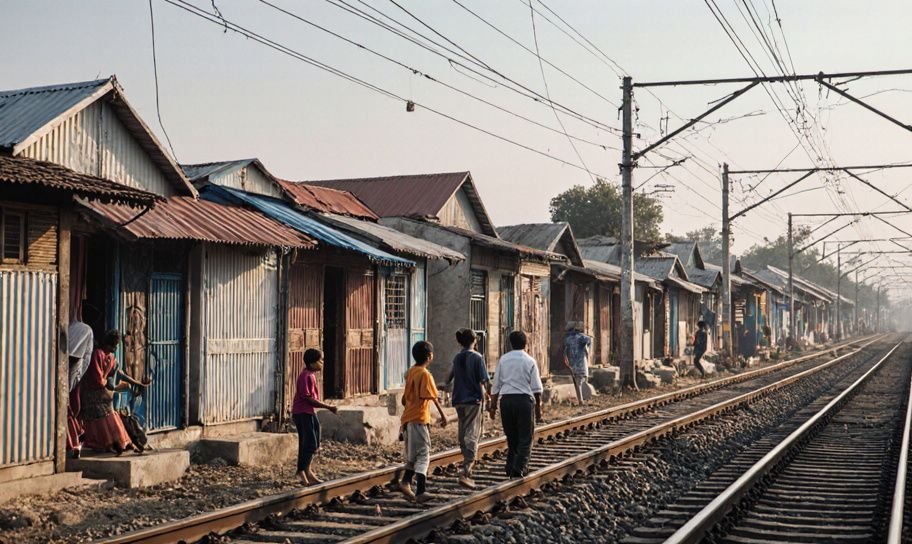
On 26th February 2026, the Bombay High Court gave its decision on a group of 25 cases that were fighting against eviction orders. These orders, given by the person in charge of managing properties for Western Railway, called for the removal of buildings without permission on railway land in Malad (East), Mumbai.
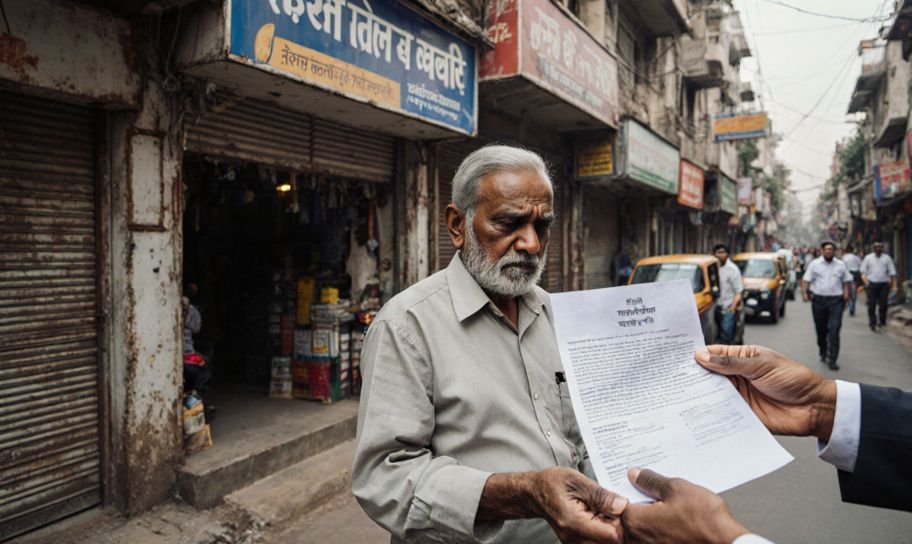
The eviction notices were first given on 29th August 2022, under the Public Premises (Eviction of Unauthorized Occupants) Act, 1971. Deepak Kisan Bagdi and others were told they had 15 days to leave, but they went to court to try to stop the orders.
"The property manager told them to leave the buildings... within 15 days."
The residents, represented by Lawyer Mr. Naphade, argued that they qualified for help moving to new homes under a Government Resolution from 2000. They said they had been living there since 1980 and referred to a Supreme Court decision, hoping to stop the eviction.
"The residents have been living there... since 1980 and are, therefore, eligible for help moving to new homes."
Judges Ravindra V. Ghuge and Abhay J. Mantri rejected the cases, stating that the buildings were not allowed and not included in any plans to help people move to new homes. The court emphasized that the Railway Authorities followed the correct procedures.
"The residents did not show that their buildings are allowed, protected, or affected by the MUT project."
The court ordered Deepak Kisan Bagdi and others to leave within 60 days, allowing the Railways to take action if they didn't. It also suggested that the Railways should think about helping those affected by the eviction.
"The residents must leave the buildings within 60 days from the date of this order."
While the court did not give Deepak Kisan Bagdi any help, it mentioned that there might be a chance for them to get help moving to new homes under any current government program, if they meet the requirements.
This decision shows the complicated nature of city growth and the problems faced by people who have lived in buildings without permission for a long time. The case is a reminder of the rules about public land and the need to follow them.