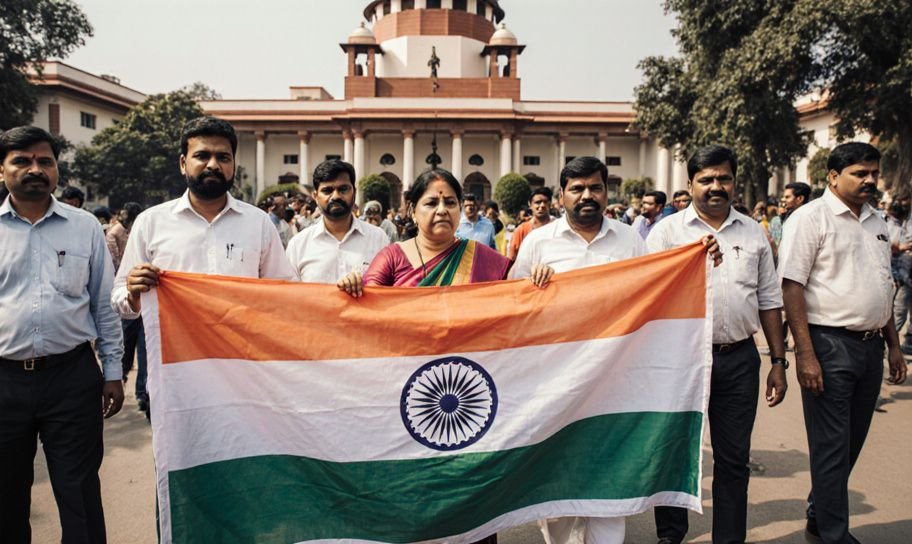
The Supreme Court has made a decision on the long-standing water disagreement between Tamil Nadu and Karnataka over the Pennaiyar River. The court told the Central Government to create a group to solve the issue.
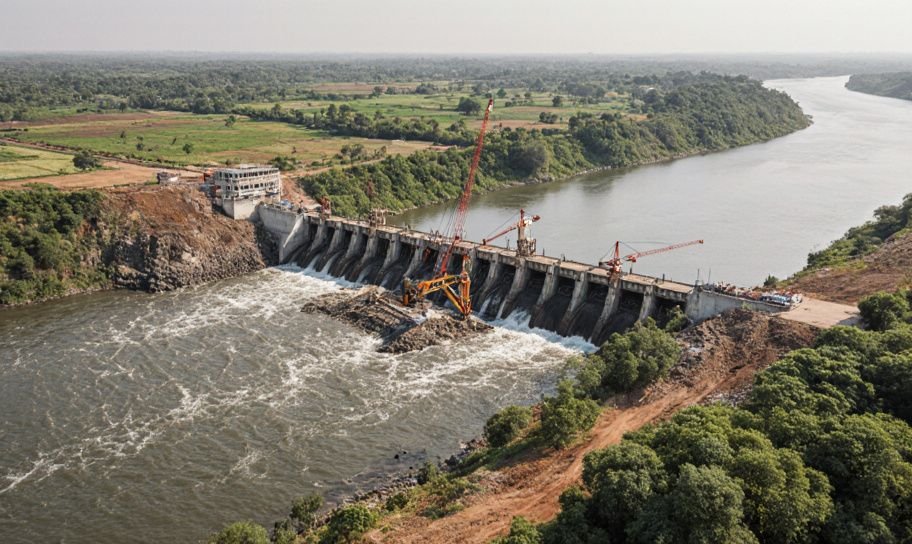
The disagreement began when Tamil Nadu accused Karnataka of building dams and structures to divert water from the Pennaiyar River without asking for permission. This construction supposedly affected the water flow to Tamil Nadu, impacting farmers in several areas like Krishnagiri, Dharmapuri, and Cuddalore.
Tamil Nadu argued that an agreement from 1892 between the old states of Madras and Mysore required Karnataka to get permission before building such structures. However, Karnataka argued that the agreement was no longer valid after India gained independence.
"The Agreement of 1892 was just a political arrangement... and stopped being effective after independence." - Karnataka's Response
On May 18, 2018, Tamil Nadu took the matter to the Supreme Court. They wanted Karnataka to stop the construction and to keep the natural flow of water.
Efforts to talk it out failed. On November 14, 2019, the court refused to give temporary relief to Tamil Nadu, noting that most of the construction was already done. Tamil Nadu then asked for a Tribunal to be set up.
"The negotiation process has not resulted in any agreement." - Supreme Court
On February 2, 2026, the Supreme Court ordered the Central Government to form a Tribunal within a month. This decision aims to provide a legal solution to the dispute.
The Tribunal will now take over the case. It will look into all aspects and decide on the fair sharing of the Pennaiyar River waters.
The court's decision shows how complicated water disputes between states in India can be and the importance of having clear rules to solve them.