Parties: Prakash Atlanta JV vs National Highways Authority of India
Lawyers: Chirag M. Shroff
Judges: Mr. Justice Sanjay Kumar, Mr. Justice K. Vinod Chandran
Judgment By: Mr. Justice Sanjay Kumar
Case Number: 17730/2013
Summary: The Supreme Court of India looked at several cases involving the National Highways Authority of India (NHAI) and contractors. The main issue was whether the Building and Other Construction Workers (BOCW) Act and the Cess Act could be applied. The court decided in favor of the contractors, saying these laws couldn't be enforced until the necessary welfare boards were set up.
Background of the Case
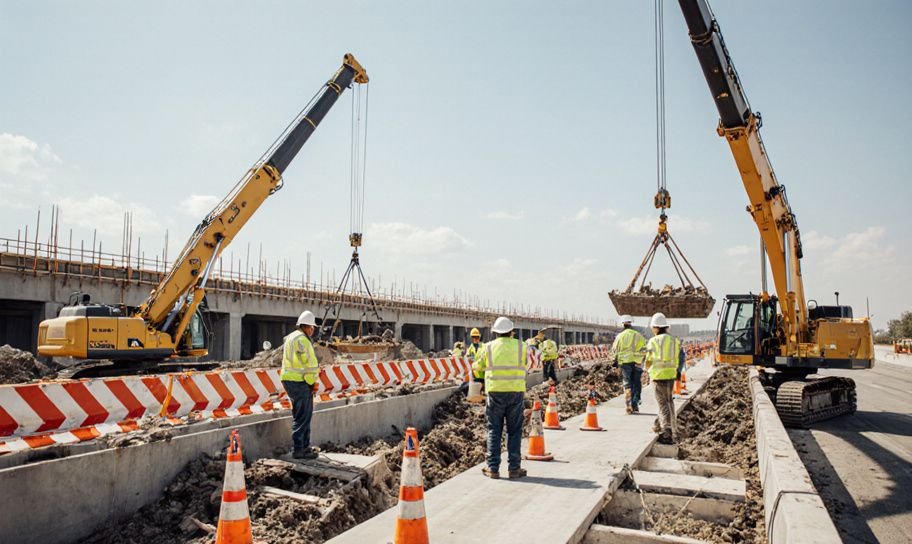
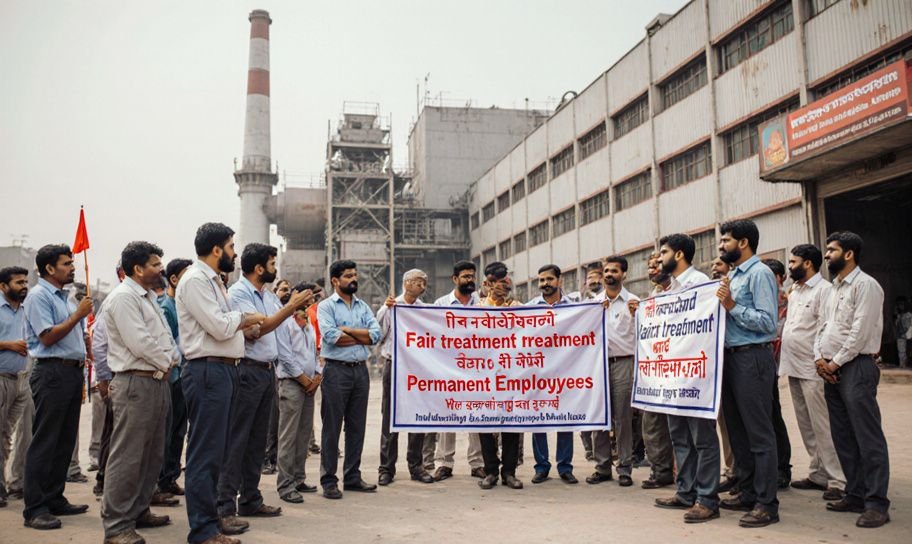
The Supreme Court reviewed disputes between NHAI and contractors such as Prakash Atlanta (JV) and others. These cases were about the BOCW Act and the Cess Act, which are meant to help construction workers.
Key Issues
- Delays in Starting the Laws: The BOCW and Cess Acts were passed in the 1990s but were not put into action because the required welfare boards were not created.
- Contract Details: The contracts mentioned following labor laws but did not clearly explain how these laws would work without the boards.
Court's Findings
- Need for Welfare Boards: The court pointed out that the Acts couldn't be applied until the welfare boards were set up, as these boards are needed to collect the cess (a kind of tax).
- Later Laws: The court looked into whether the cess could be considered a "later law" under the contracts and decided in favor of the contractors.
Detailed Examination of Appeals
- Prakash Atlanta (JV): The contract ended in 2008, before the Uttar Pradesh government’s 2010 announcement about the BOCW Act. The court said that the cess couldn't be applied to this contract after the fact.
- NKG Infrastructure Ltd.: The decision favored the contractor, noting that the BOCW Act was only made applicable in Uttar Pradesh in 2009, after the contract was signed.
- PCL Suncon (JV): The decision was that the Jharkhand Rules, announced in 2007, were later laws that applied after the contract date.
- Hindustan Construction Co. Ltd.: The court agreed with the decision that cess couldn't be collected before the necessary infrastructure was in place.
- DIC-NCC (JV): The decision was that the Gujarat government’s actions in 2004 couldn't apply to a contract bid in 2003.
Summary of the Verdict
The Supreme Court rejected NHAI’s appeals, stating that the contractors couldn't be held responsible for the cess under the Acts until the welfare boards were set up. The court stressed the need for proper government action before enforcing such laws.