In a recent decision by the Madurai Bench of the Madras High Court, Judge R. Vijayakumar ruled against giving a family pension to Mrs. S. Jeni Ammal, the second wife of a deceased railway worker. Let's break down what happened.
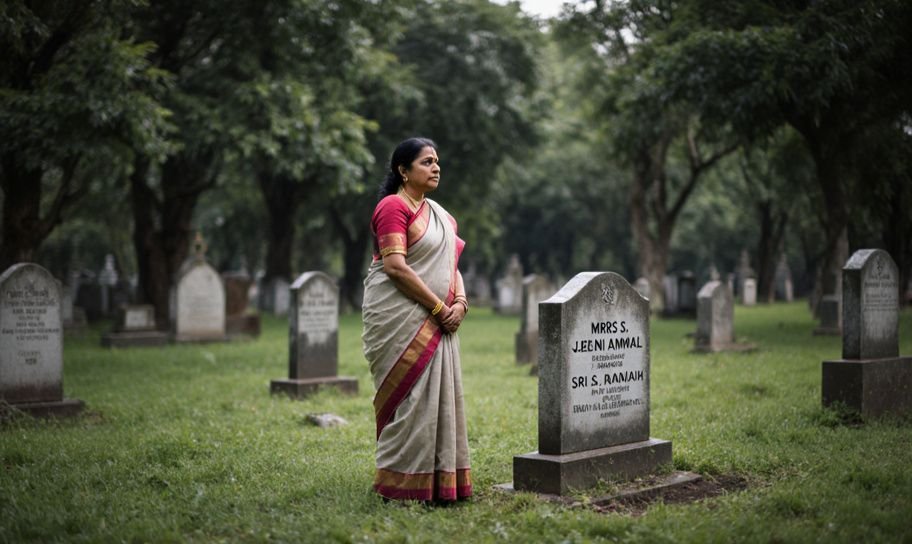
Mrs. S. Jeni Ammal, who brought the case to court, was married to Sri S. Ramaiah, a railway worker, on January 6, 1975. However, when they got married, his first wife, Mrs. R. Anbu, was still alive. Sri Ramaiah retired on August 31, 1985, and passed away on October 25, 2007. Mrs. Anbu died on April 21, 1996. Jeni Ammal's request for a family pension was turned down on December 7, 2021, because the marriage was considered invalid since his first wife was alive when they married.
Mrs. Jeni Ammal's lawyer argued that she did not know about the first marriage when she got married. They pointed to Rule 75(7)(i)(a) of the Railway Services (Pension) Amendment Rules 2016, which allows pension sharing among widows. They also mentioned several court decisions to support their claim.
“Family pension can be paid to more than one widow, in equal shares,” her lawyer argued.
The Deputy Solicitor General of India, speaking for the Principal Chief Security Commissioner, argued that the marriage was invalid under both personal law and the Central Civil Service Rules. According to these rules, a government worker cannot marry a second time while the first spouse is alive without special permission, which was not obtained.
Judge R. Vijayakumar pointed out that the marriage was invalid under the Indian Christian Marriage Act, 1872, and the Central Civil Service (Conduct) Rules, 1964. Both prohibit marrying someone who already has a living spouse.
“The marriage is invalid even under the Personal Law. The Conduct Rules do not allow entering into a second marriage while the first is still in effect,” the court stated.
On December 3, 2025, the court dismissed the case, stating that Mrs. Jeni Ammal cannot be legally considered a widow of Sri Ramaiah because their marriage was not valid. Therefore, she is not entitled to a family pension.