Here's a quick rundown: People living in Rakhmabai Mhatre Chawl in Mumbai were facing being kicked out because the BMC said their homes were built without permission. The court agreed with the residents, stopping any action for now.
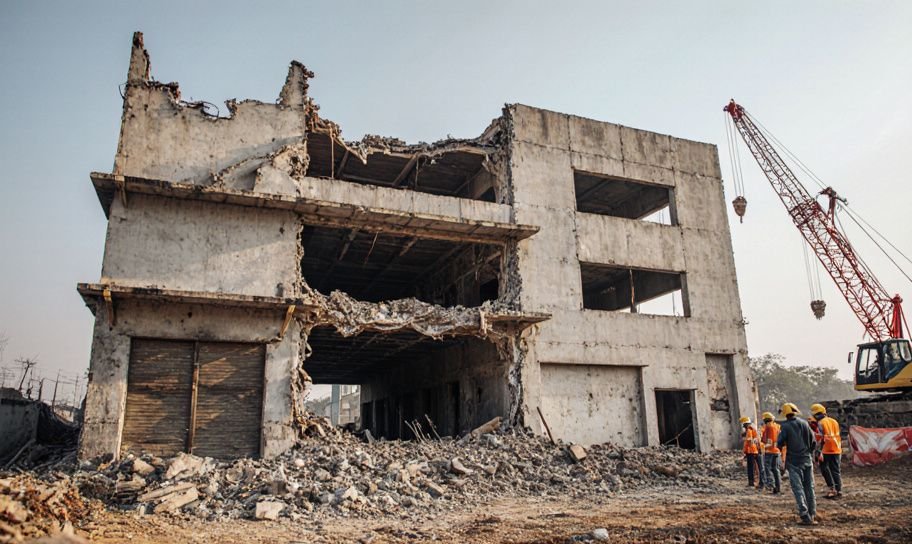
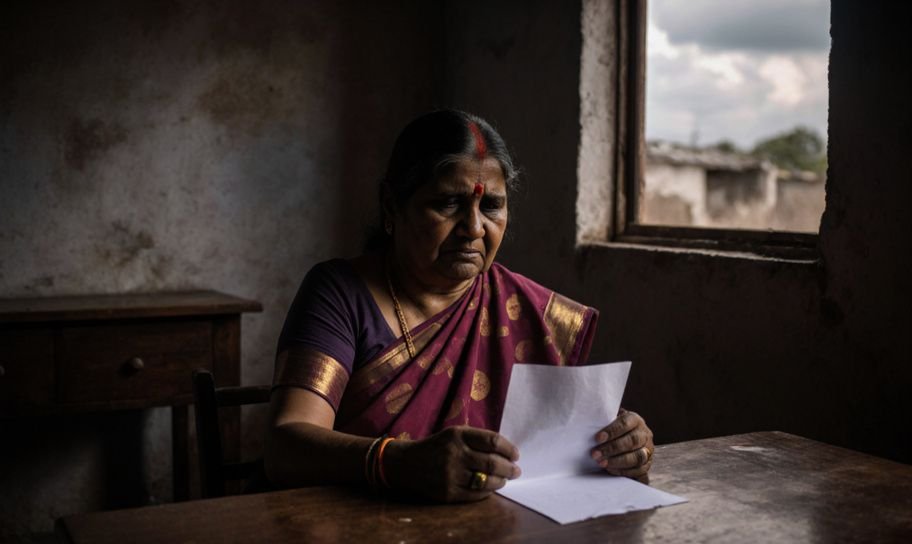
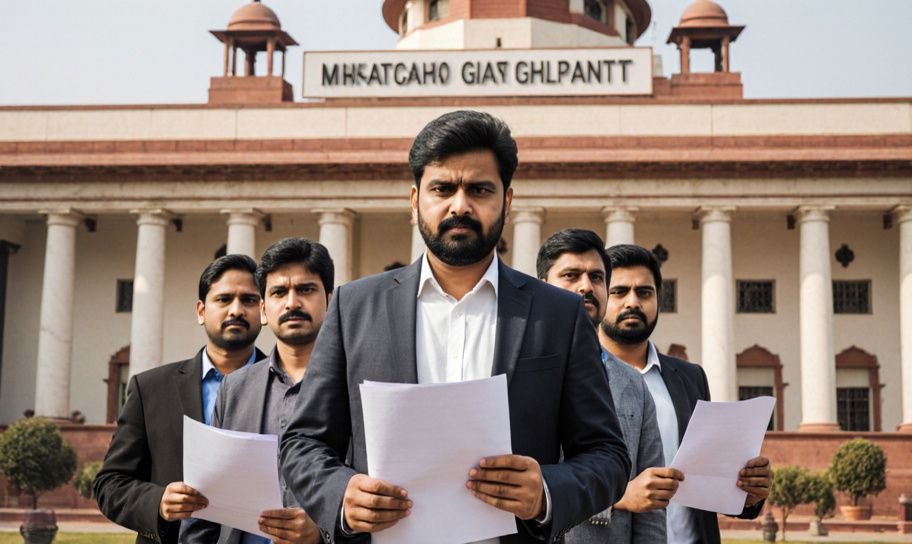
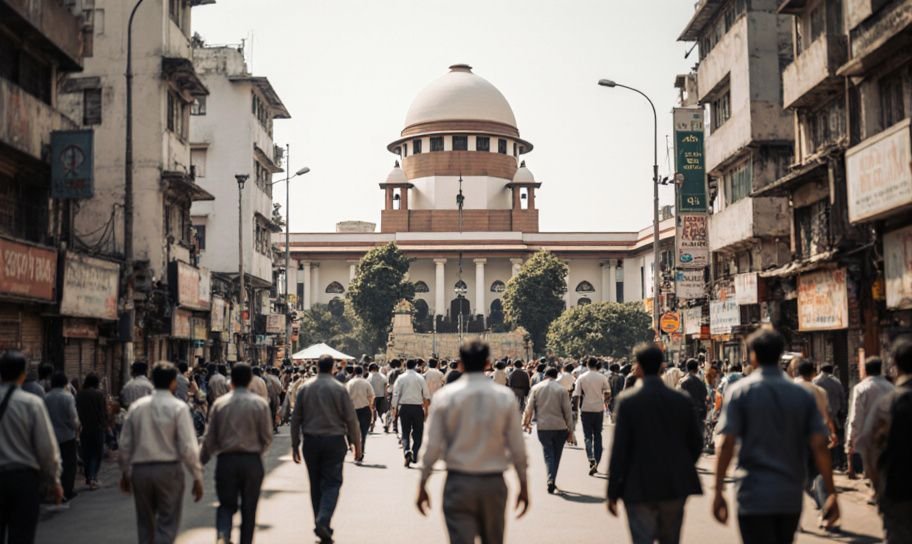
In March 2025, the Municipal Corporation of Greater Mumbai (BMC) sent letters to people living in Rakhmabai Mhatre Chawl, in Mulund (East), Mumbai. These letters said the buildings were not allowed. The residents, with help from their lawyer Mr. Amit Ashok Gharte, took this issue to court.
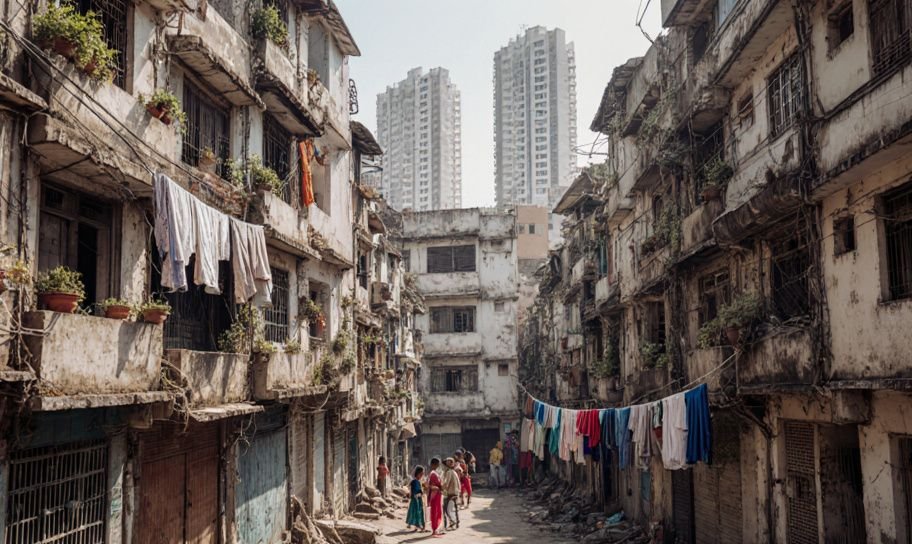
The residents said that their homes have been there since before 1962. They showed proof like ration cards from 1987, property tax bills from the late '80s, and even electricity bills from 1987. They pointed out that their homes were part of the chawl built by the Mhatre family many years ago.
"The existence of the notice structures prima facie date back to the date of its construction by the Mhatre Family."
Judge Milind N. Jadhav noticed that the BMC's letters were unclear and didn't have specific details about what was supposedly built without permission. The court thought the letters seemed more like a routine task rather than a real legal action.
The residents thought that the letters were influenced by the current landlord who bought the property in 2013. The court noticed that the landlord's plans might be linked to possible redevelopment, given Mumbai's booming real estate market.
On January 5, 2026, the court canceled the BMC's letters, protecting the residents from any forced action. Judge Milind N. Jadhav pointed out that the BMC's actions seemed to be a misuse of power, likely influenced by people with their own interests.
"The action of the Corporation is clearly not sustainable."
The court has ordered that no action can be taken against the residents until the court case is decided. This decision provides temporary relief to the residents, ensuring they won't be evicted anytime soon.
This case shows the ongoing struggle between residents and developers in Mumbai, where real estate pressures often clash with long-standing communities.