Summary: Ashok Shankar Mhatre was initially found guilty of murder and sentenced to life in prison. However, the Bombay High Court has reversed this decision, citing insufficient evidence. Let's break down what happened.
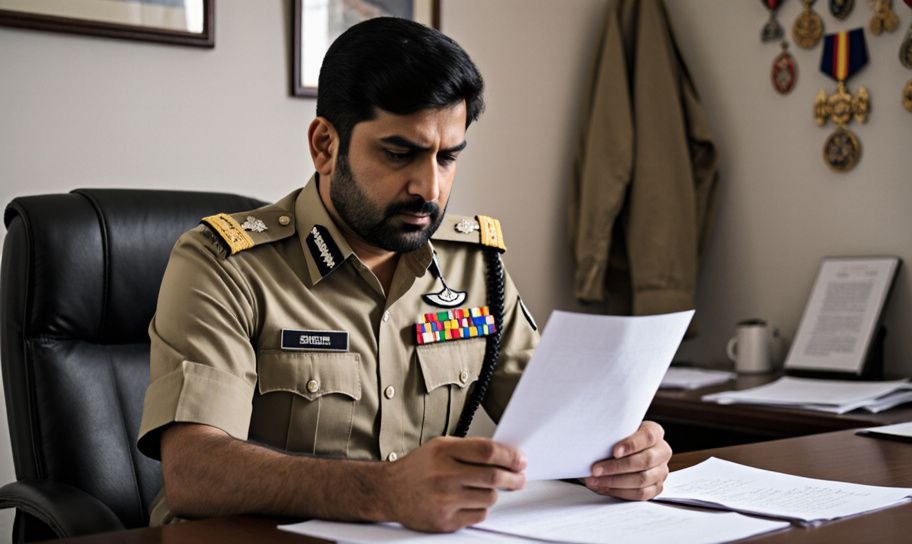
Ashok Shankar Mhatre, a 47-year-old businessman from Virar, was found guilty on May 5, 2012, by the Additional Sessions Judge in Vasai. He was sentenced to life in prison for murder and given an additional three years for hiding evidence. A fine was also imposed.
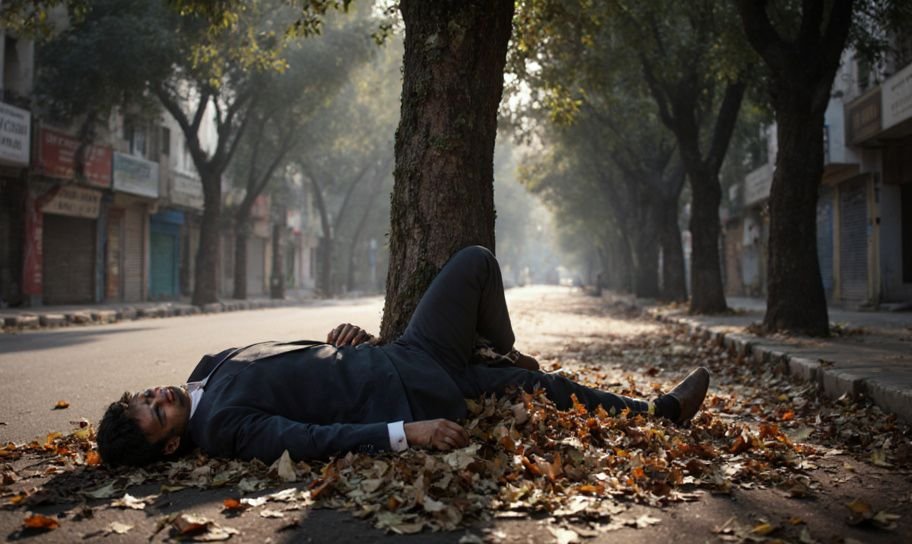
On January 10, 2010, a passerby named Prashant Raut found a dead body with a crushed face under a tree near National School in Virar. The police were informed, and an investigation began. The deceased was later identified as Kantabai by her parents.
The local crime branch took over the investigation. They traced phone calls from Kantabai's phone to Ashok Mhatre, leading to his arrest on January 31, 2010. The trial began in the Sessions Court, Vasai.
Several witnesses were presented:
Ashok appealed the conviction, arguing that the case was based on evidence that was not strong. The defense highlighted:
The Bombay High Court, with Justices Manish Pitale and Shreeram V. Shirsat, reviewed the evidence and found the chain of circumstances incomplete. On February 5, 2026, they found Ashok not guilty, stating the prosecution failed to prove guilt beyond a reasonable doubt.
The court's decision emphasizes the need for strong evidence in criminal cases. Ashok's acquittal shows that mere suspicion isn't enough for a conviction. The justice system requires proof beyond a reasonable doubt to uphold a conviction.