Quick Summary: On January 19, 2026, the Bombay High Court decided in favor of Bhushan Rajendra More, approving his caste claim based on his father's existing certificate. This case highlights the importance of family connections in confirming caste identity.
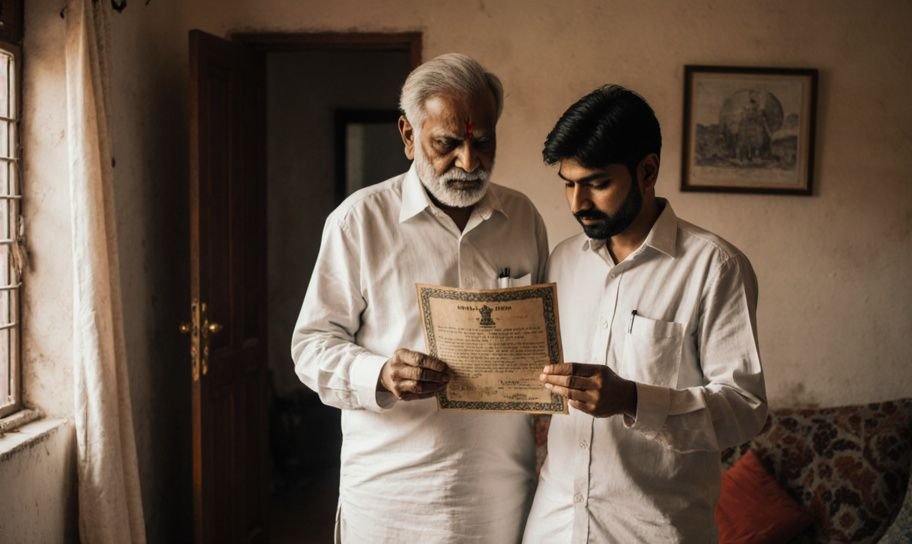
Bhushan Rajendra More filed a request against the State of Maharashtra after his claim to belong to the 'Koli Mahadev, Scheduled Tribe' group was turned down by the Review Committee. He argued that his father's valid caste certificate, issued on August 31, 2007, should support his claim.
The court, with Judges M.S. Karnik and S.M. Modak in charge, noticed that there were differences in the records related to Bhushan's father's caste. However, they found no proof of cheating or wrong steps when his father's certificate was given.
"We are not convinced by the reasons given by the Committee for rejecting the caste validity certificate issued to the Petitioner’s father."
The court mentioned earlier cases, including a decision by the Supreme Court, showing that if a close family member has a valid certificate, it should be accepted unless it was obtained by cheating.
The Review Committee must give a caste validity certificate to Bhushan within six weeks. However, if any negative decisions are made about his father's certificate, it will affect Bhushan's status too.
The court's decision highlights how important family connections are when it comes to legal matters about caste identity. Bhushan More's success shows the significance that existing family certificates have in legal situations.