Quick Summary: The Bombay High Court has decided in favor of Trammo DMCC, allowing the enforcement of foreign arbitration decisions against Nagarjuna Fertilizers and Chemicals Ltd. The case involved complicated agreements and claims of breaking promises over fertilizer supplies.
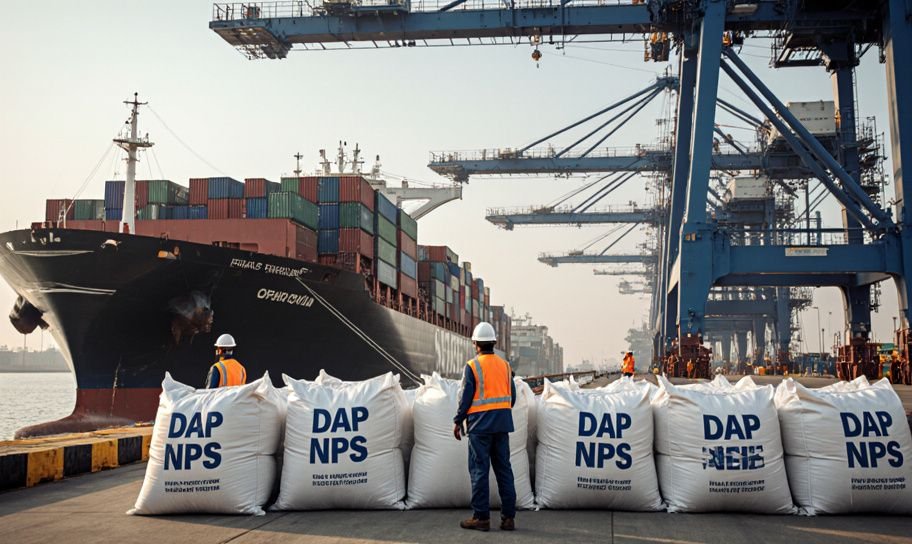
In a legal battle that started in 2013, Trammo DMCC, a trading company, and Nagarjuna Fertilizers made deals for the supply of fertilizers. Disagreements came up about the existence and terms of these deals, leading to arbitration (a way to settle disputes outside of court) in London. The arbitration panel, made up of well-known former judges, decided in favor of Trammo, awarding them money for damages.
The panel issued several decisions between 2015 and 2016, including:
These decisions recognized Trammo's claims and ordered Nagarjuna to pay large amounts of money.
Trammo's Side: Trammo argued that the decisions were valid under international rules and should be enforced in India. They pointed to the consistency of past contract practices and the panel's findings on the agreements.
Nagarjuna's Side: Nagarjuna argued that the decisions were temporary and that the arbitration agreements were not valid under English law. They also claimed that the decisions went against Indian public policy since no fertilizer was actually delivered.
Judge Somasekhar Sundaresan decided on March 5, 2026, that the arbitration agreements were valid and could be enforced. The court found that:
The court ordered Nagarjuna to pay Trammo the amounts awarded, totaling over USD 16 million and GBP 606,628.29.
The court dismissed arguments about breaking public policy, noting that the decisions did not go against important Indian laws. The enforcement was seen as consistent with international standards for settling disputes.
The Bombay High Court's decision supports the enforcement of international arbitration decisions, ensuring that legal agreements in cross-border business disputes are predictable and reliable.
"The Arbitration Agreement was a comprehensive reference to arbitration, and the parties conferred on the Learned Arbitral Tribunal the scope and jurisdiction of the adjudication." – Justice Somasekhar Sundaresan
This case highlights the importance of clear arbitration agreements and the challenges of enforcing foreign decisions in domestic courts.