Here's a breakdown of the recent court judgment involving the State Trading Corporation (STC) of India and Ravinder Singh Indersingh Sehgal, among others. This case revolves around lease agreements and extra rent for properties in Mumbai.
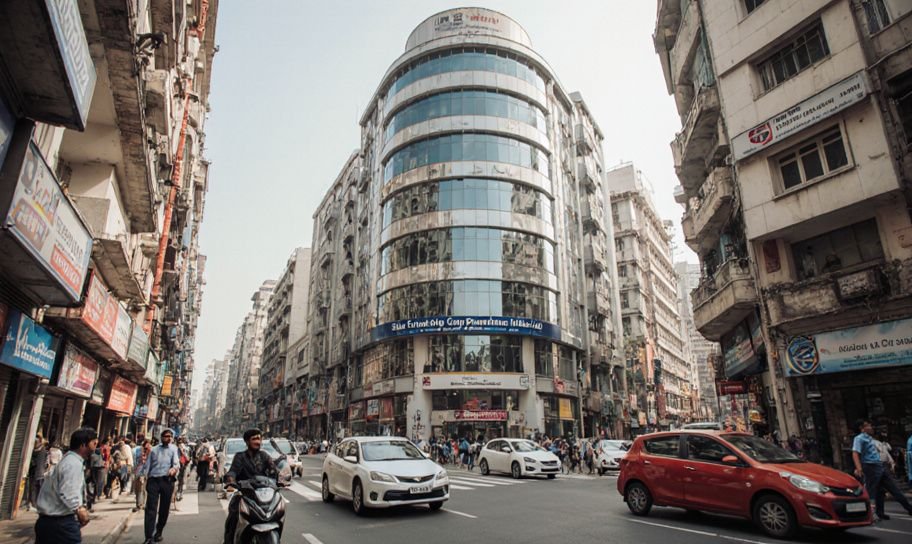
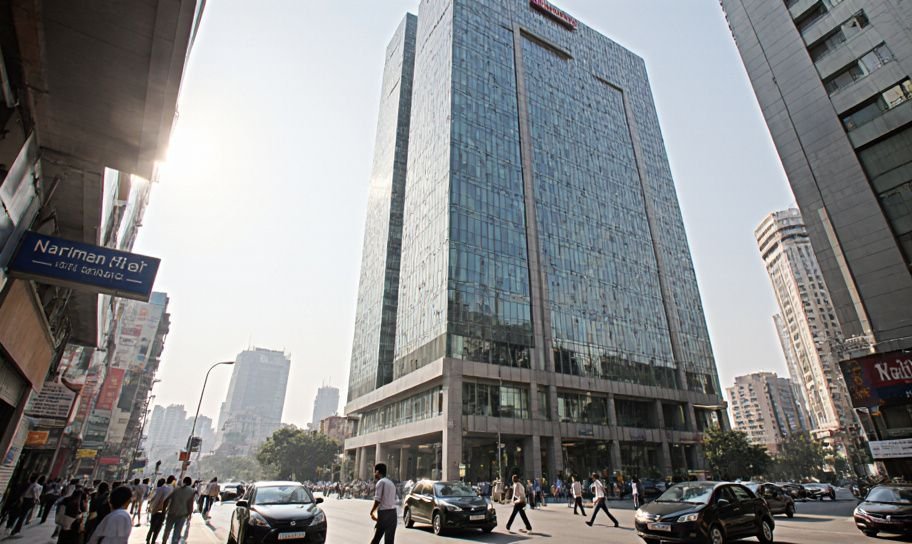
The State Trading Corporation of India Ltd. (STC), originally renting office spaces, was involved in a legal dispute over these spaces in Nariman Point, Mumbai. The case was heard at the High Court of Judicature at Bombay, with Judge M. M. Sathaye in charge. The judgment was reserved on October 1, 2025, and announced on November 28, 2025.
The main issue was about understanding Clause 15 in the lease agreements. This clause dealt with the rental terms and what happens if the renter stays longer than the lease period.
Lease Expiry and Eviction: The maximum lease period of 20 years had ended. STC was supposed to leave but did not, leading to eviction proceedings that reached the Supreme Court, which ruled in favor of the landlords.
Extra Rent: The landlords wanted extra rent, which is compensation for staying without permission. The court had to decide if the Rs. 12 mentioned in the lease was the most STC should pay. The court concluded it was not, as extra rent was not limited by this clause.
Court's Ruling: The court ruled that extra rent was separate from the penalty and could be higher, based on the property's value and location.
STC's Stand: They argued that Rs. 12 per sq. ft. should be the most they pay. They claimed they provided services under government orders and didn't make money from the premises.
Landlords' Stand: They argued for higher extra rent, citing staying without permission and the property's commercial value.
This case highlights the importance of clear lease agreements and how courts interpret clauses related to penalties and extra rent. It also underscores the legal complexities when government entities are involved in commercial leases.