In a recent court decision, A K Imports and Exports got a big relief. The court allowed them to get back their seized goods, but under certain conditions. Here's the scoop on what went down.
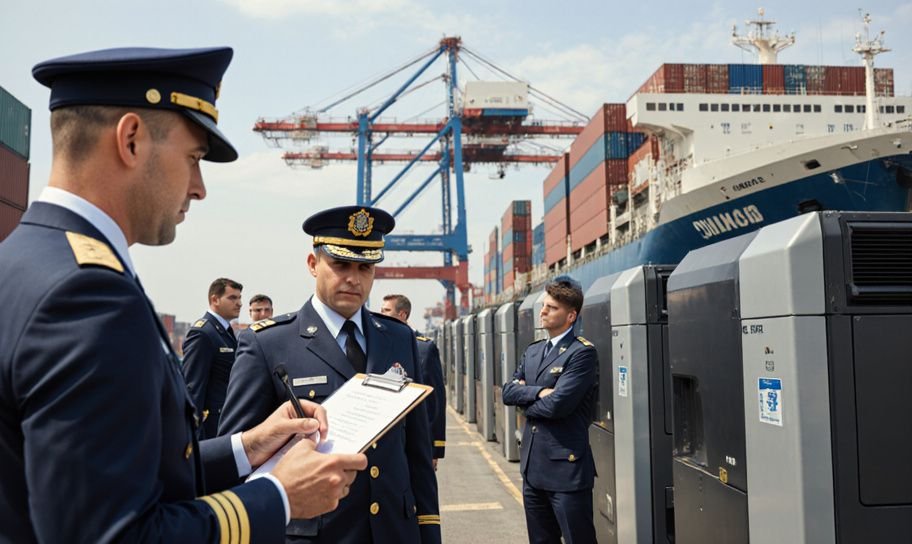
The story starts with A K Imports and Exports. They had their shipment of secondhand digital printing machines taken by customs. The notice for taking the goods was issued on November 6, 2025, by the head of customs. The company wanted their goods back, so they asked the court for help.
This isn't the first time such a case has come up. The court had previously handled similar cases. In one instance, they allowed the release of goods if the importer met certain conditions. The court’s decision was even challenged in the highest court but was supported.
"The petitioner shall pay/deposit the increased duty amount. On receipt of such increased duty amount paid by the petitioners, the goods in question shall be released within a period of four (04) weeks thereafter."
The court, led by Judge P. Sam Koshy and Judge Suddala Chalapathi Rao, laid out clear conditions for the temporary release of the goods:
Enhanced Duty Payment: A K Imports must pay the increased duty amount. Once paid, their goods will be released within four weeks.
Customs to Quantify Duty: Customs has to calculate the duty within a week. A K Imports should pay it immediately after receiving the calculation.
Bank Guarantee: They need to provide a bank guarantee worth 10% of the total price of the goods.
Record Keeping: If they sell the goods after release, they must keep detailed records of sales and share them with customs.
The court made it clear that this order for conditional release won't affect the ongoing decision-making process. The customs authorities can continue their proceedings as per the law.
"The authority shall decide the same considering the objections and contentions that would be raised on either side."
The court allowed the request from A K Imports, giving them a chance to get their goods back under specific conditions. This decision highlights the balance between enforcing customs rules and allowing businesses to operate without unnecessary obstacles.