Here's a simple breakdown of a recent court decision from the Bombay High Court, Kolhapur. It involves a family fight over property and whether someone who isn't a family member can join the legal process.
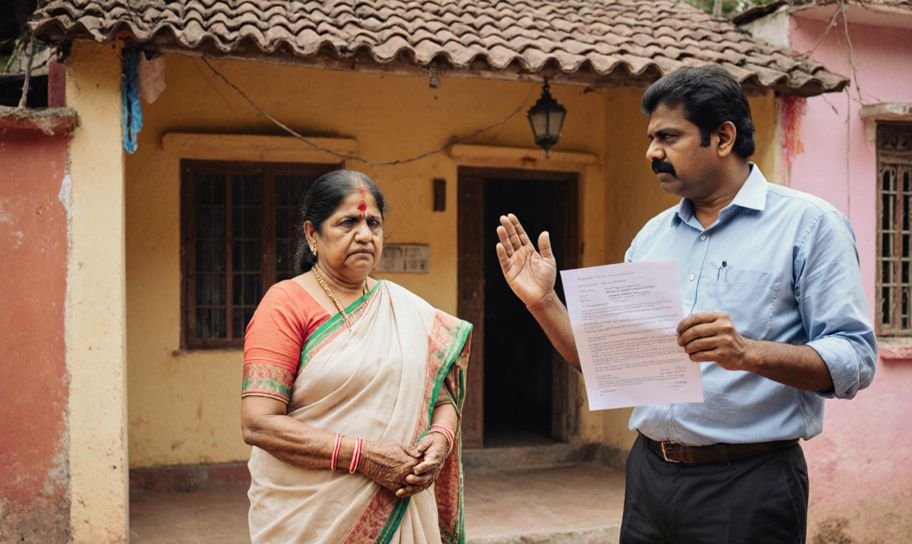
The main person in this case is Seema Prakash Ausekar, a 63-year-old housewife from Pandharpur, Solapur. She's up against Lata Prakash Ausekar and others, including Kiran Vitthal Bhosale, who claims he has a right to the family property.
On November 11, 2025, Judge S. G. Chapalgaonkar looked into whether Kiran Bhosale could be part of a case about who gets the heirship certificate for property owned by the late Prakash Ausekar. This certificate is important because it helps decide who can take care of the deceased's property.
Seema and some family members applied for the heirship certificate in 2021. Kiran Bhosale wanted to join the case, saying he had rights to one of the properties through a sale agreement from Prakash. However, Seema's lawyer, Mr. Kushal Kulkarni, argued that a previous court had already said this sale agreement was not valid.
"The heirship certificate does not give property rights; it only recognizes heirs," argued Mr. Kushal Kulkarni.
Judge Chapalgaonkar decided that Kiran Bhosale, being an outsider, couldn't join the case. The court emphasized that the heirship certificate doesn't affect who owns the property; it just identifies who can take care of the property for now.
The court looked at previous cases to explain that the certificate doesn't decide who owns the property. It only shows who can legally take care of the property.
The court ruled in favor of Seema, saying that Kiran Bhosale couldn't be part of the heirship proceedings. This decision reinforces that only recognized heirs or those officially in charge can manage the deceased's property, and outsiders need to prove their claims separately.
This ruling is a reminder of how heirship certificates work and who can be involved in such legal matters.