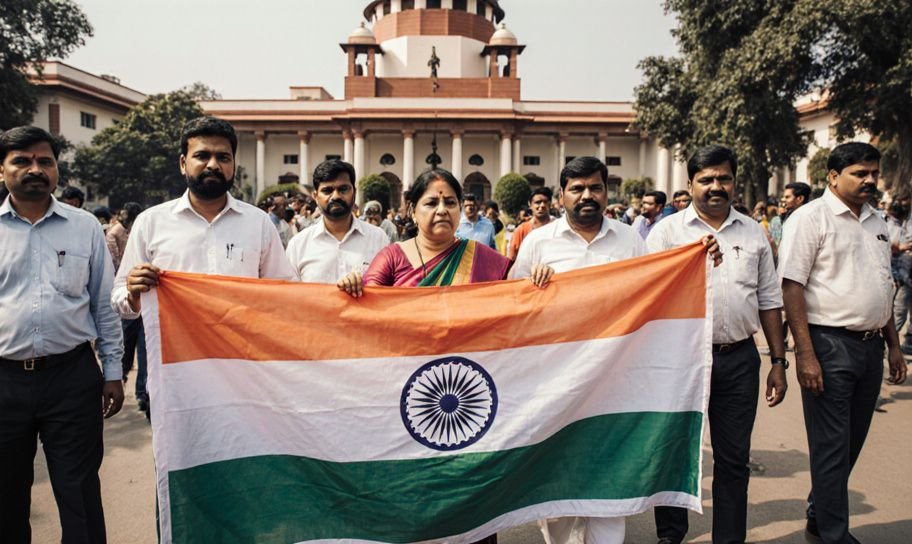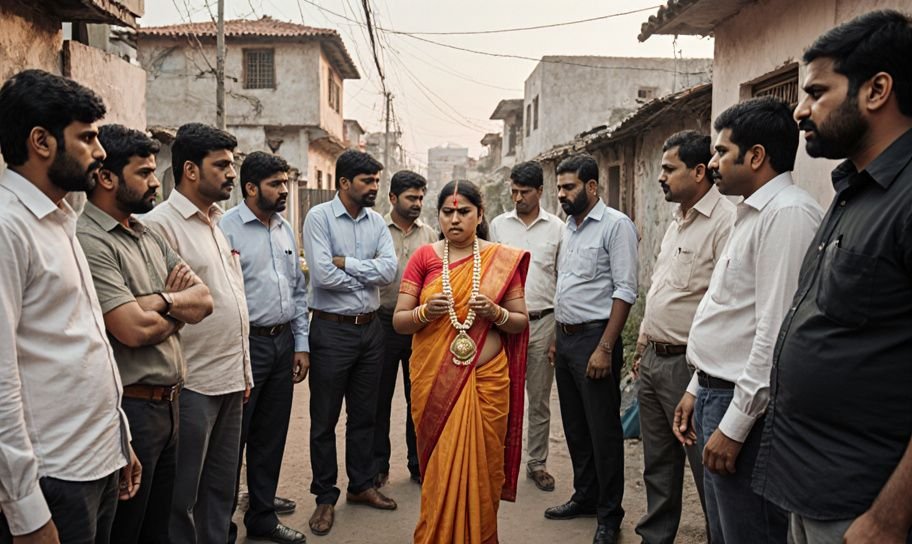
In a recent decision by the Bombay High Court, Aurangabad Bench, the court refused to grant anticipatory bail to three people accused of a caste-based attack in Ahmednagar. The case involves serious accusations under the Scheduled Castes and Scheduled Tribes (Prevention of Atrocities) Act.
On June 6, 2024, a woman from the Hindu Mahar community reported an incident at Tophkhana Police Station. She claimed that a group of 24 people, including the accused Rahul Baban Zaware, Sandip Laxman Choudhari, and Dipak Dnyandev Lanke, came to her house in Ahmednagar. They allegedly insulted her because of her caste and demanded the return of her "Mangalsutra," a significant cultural symbol.
"The accused insulted her based on her caste and disrespected her," the police report stated.
The accused, through their lawyer, argued that they were wrongly accused. They claimed they were somewhere else during the alleged incident, supported by CCTV footage showing Rahul Zaware in the hospital after an unrelated attack.
The defense also mentioned that the police report by the woman was a reaction to another report filed by Zaware against her husband. However, the court found the timing and location of the two incidents different, making the defense unconvincing.
Judge Y. G. Khobragade, after reviewing the case, decided not to grant bail. The court highlighted that the alleged offense happened in public, which means anticipatory bail cannot be given under the SC/ST Act.
"The rules of Section 18 do not allow the use of Section 438 of the Cr.P.C.," the judgment noted.
The court referred to several past decisions, including a recent Supreme Court ruling, reinforcing that offenses happening in public under the SC/ST Act do not allow anticipatory bail. The court dismissed the appeal on January 22, 2026, and canceled the temporary bail given earlier.
The accused have been given two weeks to turn themselves in to the police. This decision shows how seriously the judiciary takes caste-based crimes, reflecting ongoing efforts to protect the rights of marginalized communities.
This case highlights the complex mix of legal arguments, evidence, and social issues, reminding us of the important role of the judiciary in dealing with caste-based discrimination.