In a recent decision, the Supreme Court handled a case involving a boiler explosion and an insurance claim. The case was between the Karmaveer Shankarrao Kale Sahakari Sakhar Karkhana Ltd (formerly Kopargaon Sahakari Sakhar Karkhana Ltd) and the National Insurance Co. Ltd. The court ruled in favor of the sugar factory, allowing their appeal against the insurance company’s rejection of their claim.
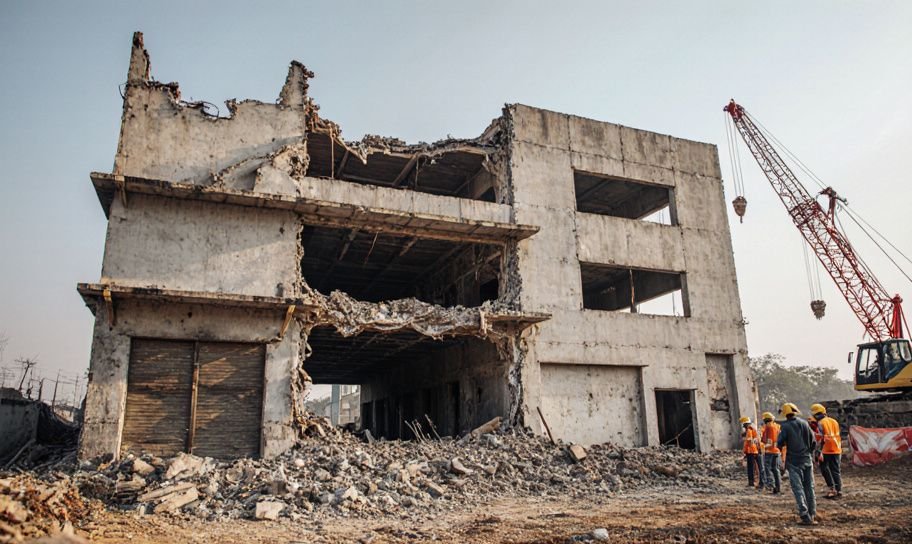
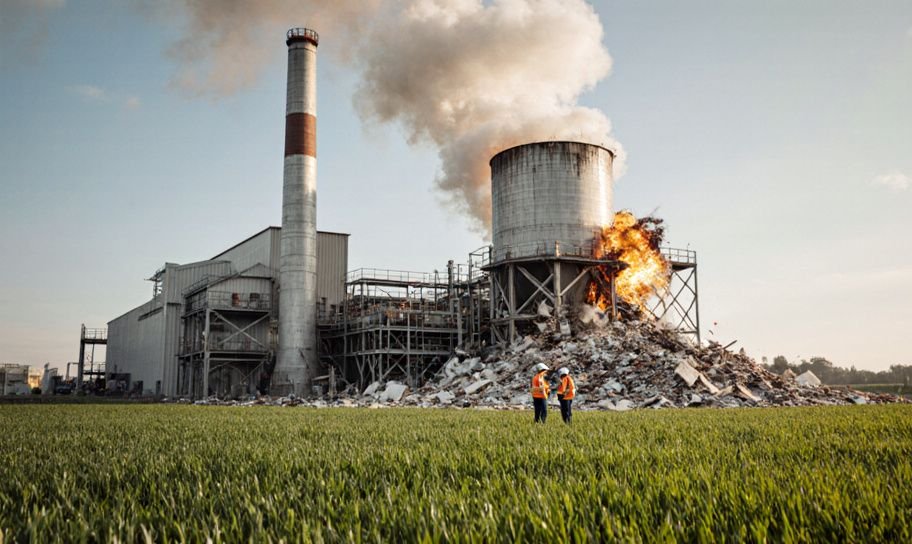
Back in 2005, a blast occurred in a boiler at the sugar factory. The factory had an insurance policy covering damages up to Rs. 1.60 crores. After the explosion, the factory informed the insurance company and filed a claim. However, the insurance company denied the claim, saying that the damage was due to rust and wear and tear, which were not covered by the policy.
The case first went to the Maharashtra State Consumer Dispute Redressal Commission. They partially agreed with the factory, awarding Rs. 49 lakhs as compensation. They found the insurance company had not provided good service since the boiler had a valid safety certificate when the explosion happened.
"The explosion took place during the time the safety certificate was valid," noted the State Commission.
The insurance company wasn’t satisfied and appealed to the National Consumer Disputes Redressal Commission (NCDRC). This time, the NCDRC agreed with the insurance company, saying the accident was due to old, worn-out tubes, not an explosion. They canceled the State Commission’s order.
The sugar factory didn’t give up and took the matter to the Supreme Court. The court, led by Justice Manoj Misra, found that the insurance company couldn't prove the boiler was unsafe or that there was any false information given by the factory. The court highlighted that the insurance company took on the risk when they issued the policy.
"An exclusion clause should not defeat the main purpose of the contract," the court stated, emphasizing that the claim should not have been rejected.
The Supreme Court sent the case back to the NCDRC but only to decide on the compensation amount, not the responsibility, which is now settled in favor of the factory.