In a recent development, the Supreme Court has changed a decision made by the Customs, Excise, and Service Tax Appellate Tribunal (CESTAT) about two textile units in Rajkot. Here's what happened.
The head of Customs, Central Excise, and Service Tax in Rajkot took legal action against Narsibhai Karamsibhai Gajera and others. The main question was whether two textile units were allowed to skip paying customs duties because they processed cotton fabrics without using electricity.
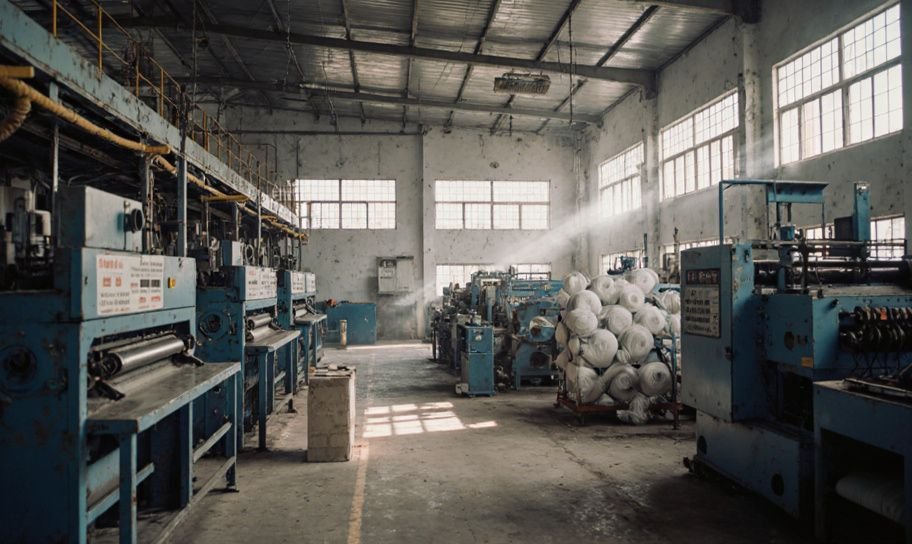
On January 21, 2003, officials checked two textile units, Bhagyalaxmi Processor Industry and Famous Textile Packers, both located in the same area. They found machines that ran on electricity, like a mercerizing machine and others. The head of customs sent a notice on July 14, 2003, asking for excise duty, interest, and fines.
"The Commissioner demanded excise duty under Section 11-A(1) and imposed penalties under Section 11 AC of the Act of 1944."
The CESTAT, on September 28, 2011, decided that the activities at the two units were separate. They ruled that the work done at Unit No.1 (mercerizing and bleaching) and Unit No.2 (stentering) shouldn't be combined, which allowed the exemption.
"The CESTAT held that clubbing the processes of both units was unjustified."
Judge Atul S. Chandurkar, in a decision dated December 2, 2025, overturned the CESTAT's ruling. The court found that the processes at both units were connected, forming a continuous chain of production. Since electricity was used in these processes, the exemption didn't apply.
"The entire activity of undertaking the various processes amounted to 'manufacture' for the purposes of Section 2(f) of the Act of 1944."
The Supreme Court brought back the original order by the Commissioner, requiring the units to pay the demanded duties. This decision shows the importance of looking at the whole manufacturing process when figuring out tax exemptions.
This case is a reminder that even separate business activities can be seen as one if they are part of a continuous manufacturing process.