Summary: In a heated legal battle, Arif Lalan Khan challenged the election victory of Dilip Bhausaheb Lande in the Chandivali Assembly Constituency. Allegations of unfair practices, including campaigning during prohibited hours and misleading affidavits, were central to the case.
On November 20, 2024, elections were held in the Chandivali Assembly Constituency in Mumbai. Dilip Bhausaheb Lande emerged victorious, defeating his closest rival, Arif Lalan Khan, by 20,625 votes. Khan, however, wasn't ready to accept defeat quietly.
Khan accused Lande of indulging in corrupt practices, focusing on three main points:
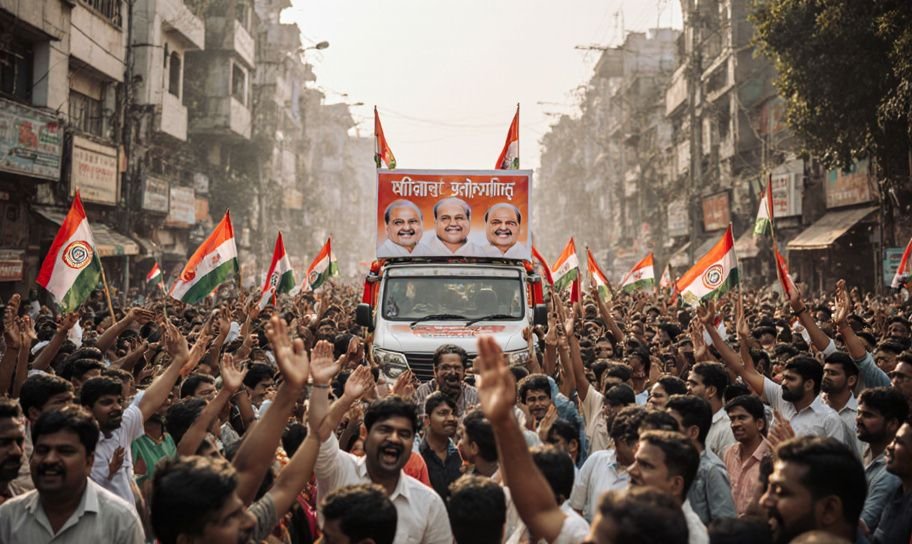
"The visit was turned into a road show and campaign rally by waving to the public."
Misleading Affidavit: Khan claimed that Lande's Form 26 Affidavit was misleading, listing numerous civil cases to overshadow pending criminal cases. This, Khan argued, was intended to deceive voters about Lande's legal standing.
Tampering with EVMs: Khan also expressed concerns about the integrity of the Electronic Voting Machines, suspecting tampering.
The case was heard by Justice Somasekhar Sundaresan. During the proceedings, Khan's legal team, led by Dr. Virendra Tulzapurkar, argued that these actions significantly affected the election outcome. However, Lande's defense, represented by Mr. Shardul Singh, countered that the petition lacked substantial evidence and specific facts.
On March 7, 2026, the court dismissed Khan's petition. Justice Sundaresan noted that while the allegations were serious, the petition failed to adequately demonstrate how these actions significantly affected the election result.
"The Petition does not set out how the allegedly violative visit... materially affected the electoral outcome."
Though the petition was dismissed, the court allowed for the random checking of EVMs to continue. Khan can still pursue criminal proceedings regarding the alleged violation of election rules about not campaigning just before voting.