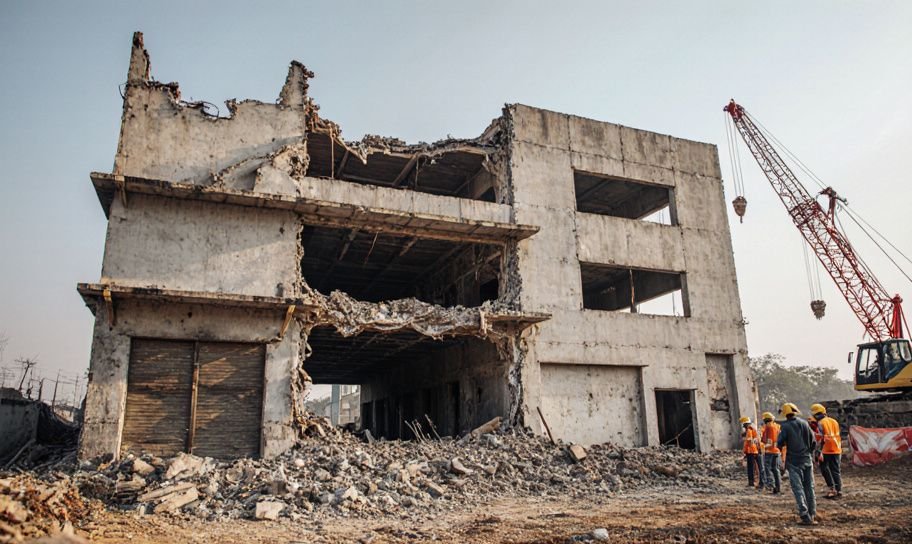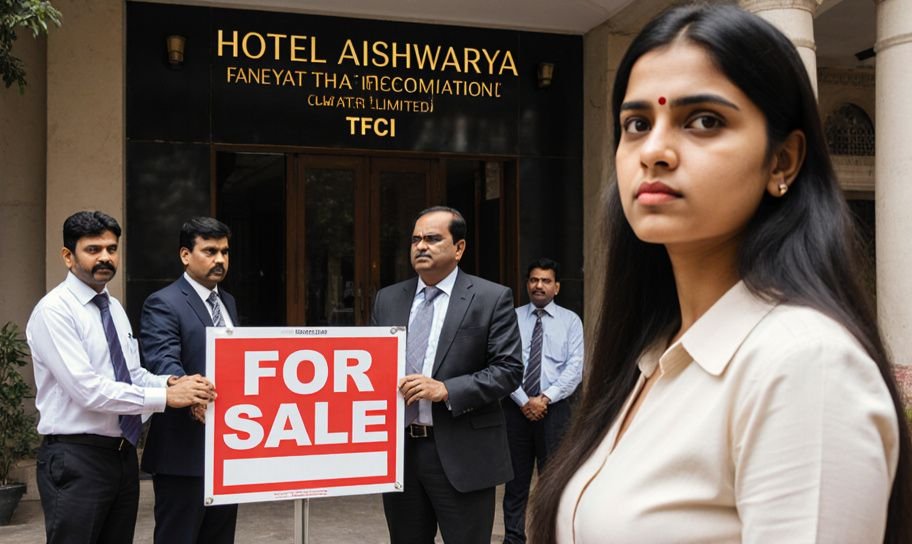
Summary: The Madras High Court, on November 25, 2025, confirmed Sivagami Ammal's ownership of disputed property in Madurantakam, dismissing appeals from defendants claiming they owned the property because they had been using it for a long time.
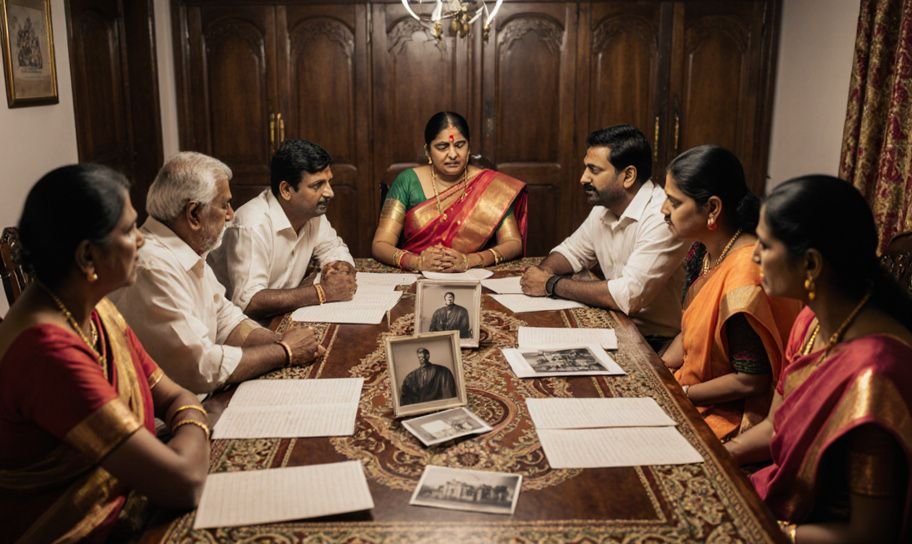
In the small town of Madurantakam, a conflict arose over land that was originally owned by K.P.M. Mohideen Meera Sahib. He had taken a loan using the land as security, and it eventually ended up with Balasundara Mudaliar through a court auction. Things got complicated when Mudaliar's widow, Sivagami Ammal, said the land was hers, leading to a legal fight.
The legal process started when Sivagami Ammal went to court in 1985 to get official recognition of her ownership and to stop others from taking the land. She claimed her husband gave her the property and that she had been living there since he passed away in 1982. However, two people who bought parts of the land from the original owner argued against this, saying they had been living there since 1965.
Ammal's case took a new direction when she said the defendants tried to enter the land without permission on April 17, 1985. To deal with this, she changed her court request to also ask for the land to be returned to her, stating that the defendants had no right to it.
"The defendants attempted to enter the properties without permission," Ammal claimed, emphasizing her legal ownership.
The defendants argued they had bought the land legally in 1965 and had been using it to grow trees. They said the court auction in 1970 that favored Mudaliar did not affect their rights because they weren't involved in those proceedings.
Justice V. Lakshminarayanan, who was in charge of the appeals, rejected the defendants' claims. He pointed out that the defendants couldn't prove they owned the land just because they had been using it for a long time and that the original court auction was valid. The court emphasized that Ammal, as a co-owner, had the right to ask for the land back without involving other family members.
"The defendants did not provide any documents to support their claim of long-term ownership," the court stated, siding with Ammal.
On November 25, 2025, the court confirmed Ammal's ownership, dismissing the appeals. This decision reinforced the validity of the court auction and Ammal's rightful possession of the property.