Summary: Aditya Vishvanath Golwad's request for a Scheduled Tribe certificate has faced a setback because of errors in family records. The High Court has ordered a new investigation into his claim and his father's previous certificate.
Aditya Vishvanath Golwad, an 18-year-old student from Nashik, filed a request against the State of Maharashtra and others. He wanted approval for his Scheduled Tribe certificate, which was earlier denied by the Scheduled Tribe Certificate Review Committee.
On August 26, 2025, the court sent a notice to those involved, including the State Common Entrance Test Cell and the Government Medical College. The case was overseen by Judges Ravindra V. Ghuge and Ashwin D. Bhobe.
"Permission to give a copy of the request to respondent no.3 State Common Entrance Test Cell, Maharashtra..."
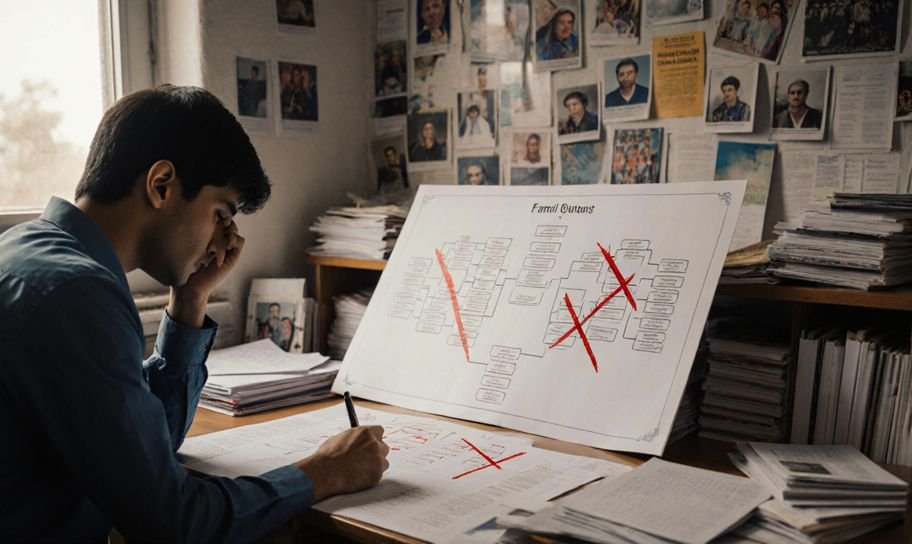
Aditya provided several family trees, causing confusion. The court found a fake family tree, leading to further investigation.
"A fake family tree had been shown... We do not approve of this behavior of the Petitioner."
Aditya's father, Vishwanath, had previously received a certificate based on his mother's relatives. However, his brother Arjun's similar request based on his father's relatives was turned down. This difference raised doubts.
"His biological brother, Arjun, asked for approval based on father's relatives, which was turned down..."
The court decided to restart the investigation into Aditya's claim and his father's previous certificate. Both Aditya and his father were told to fully cooperate.
"The challenged order dated 21st August 2025, is canceled and set aside. We order the Committee to carry out a detailed investigation..."
Aditya must meet with the Committee on November 21, 2025, for a detailed investigation. The court has given the Committee a deadline to finish its investigation by March 15, 2026.
"Let the Committee carry out a detailed investigation... make a clear decision, as quickly as possible..."
This case shows the difficulties in approving tribal certificates and the need for accurate paperwork. The court's decision is meant to ensure fairness and openness in the process.