In a significant decision by the Bombay High Court, two government workers from Indapur, Pune, were found guilty of taking bribes after they had been let go in 2008. The case involved a Tahsildar and his assistant asking for money to approve a document. Here's a simple explanation of what happened.
In 2005, the person who reported the case lost his father and applied to update the land records to include his father's family members. This application was contested by a cousin, leading to a hearing on October 31, 2005. However, the decision was delayed, so the person went to the Tahsildar’s office on December 22, 2005.
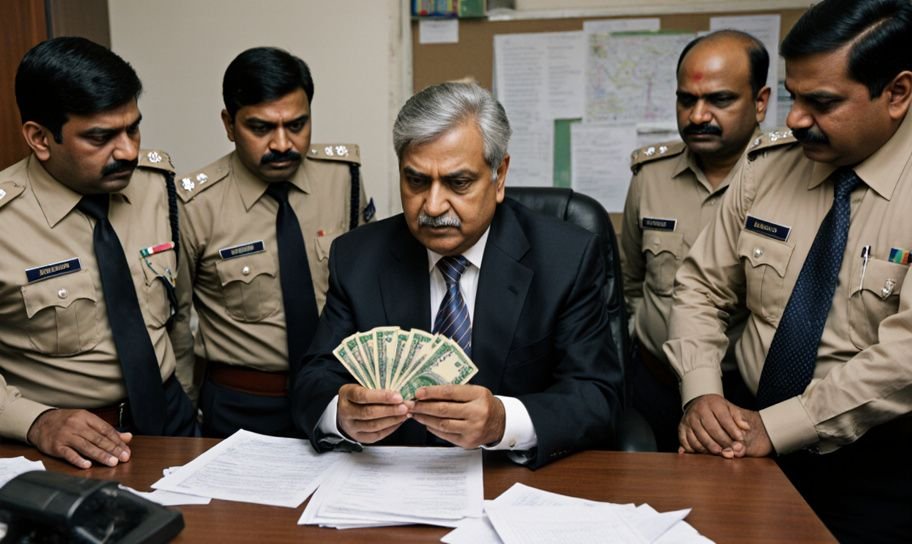
The Tahsildar, Maruti Bhikaji Borkar, first asked for a bribe of Rs. 3,000 to approve the document, but he later reduced it to Rs. 1,000. The person reported this to the Anti-Corruption Bureau (ACB) in Pune, who planned a sting operation on December 28, 2005.
On the day of the sting, the person who reported the case, along with a witness, met the Tahsildar and his assistant, Ramesh Dhondiba Ware. The assistant told the person to give the money to another man, Shrikant Sopan Gaikwad, who took the bribe. The ACB caught Gaikwad with the marked money.
The trial took place in Baramati, and on September 2, 2008, the judge found the accused not guilty. The defense said that the Tahsildar was not there when the bribe was first asked for, which was backed by a logbook of a government vehicle.
The State of Maharashtra challenged the not guilty verdict. Justice Dr. Neela Gokhale looked over the evidence, including witness statements and the ACB's findings. The court found the logbook unreliable, noting inconsistencies, and concluded that the asking for and taking of the bribe were clearly proven.
Considering how long ago the crime happened, the court sentenced the Tahsildar and his assistant to six months in jail and a fine of Rs. 500 each. They were given 12 weeks to turn themselves in.
This case shows the ongoing problem of corruption and how the legal system can still address it, even many years after it first happened.