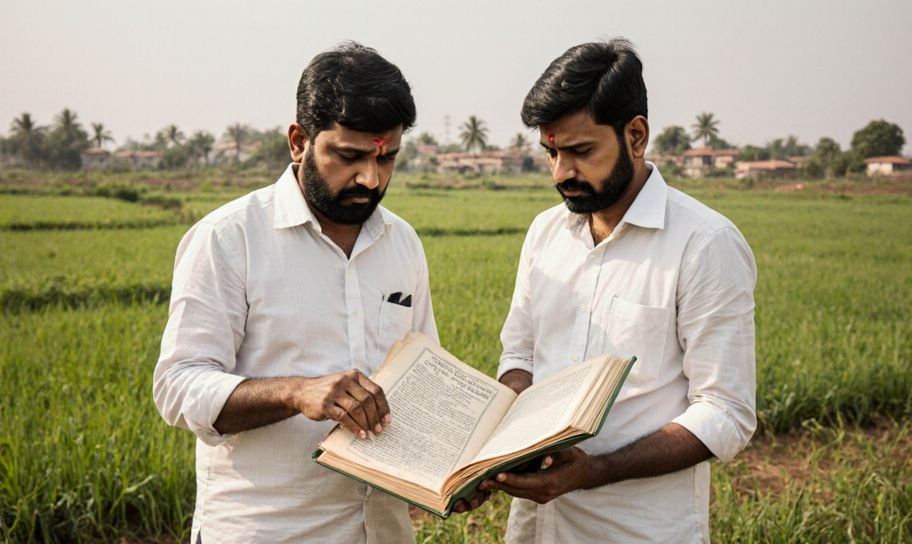
In a recent decision from the Bombay High Court at Aurangabad, several appeals were addressed regarding land compensation in Vaijapur. The case involved arguments over whether certain lands should be classified as irrigated and whether compensation should include extra things like trees and buildings.
On February 27, 2026, Judge Shailesh P. Brahme made an important decision about multiple appeals. The people making the appeals, represented by Lawyer Anand P. Bhandari, were challenging the compensation given by the Sub Divisional Officer cum Land Acquisition Officer in Vaijapur. They argued that their lands, initially classified as dry, should be recognized as irrigated, which would mean they deserve more money.
The appeals were grouped into two main categories:
They wanted compensation rates of Rs. 3,000 per R for irrigated land, instead of the Rs. 370 per R initially offered.
Group II: Additional Compensation
For Group I:
For Group II:
Judge Brahme emphasized that a part of the Land Acquisition Act is there to make sure people get fair compensation. The court ruled that compensation should not be limited to the basic award if there is additional evidence supporting higher claims.
The other court is expected to carefully review the claims related to extra compensation. The parties have been told to appear before the court on March 18, 2026, with a decision expected within ten months.
This case shows the ongoing challenges in land acquisition disputes, especially in ensuring fair compensation for landowners. The judgment sets an example for considering extra factors and changing land types in compensation calculations.