Quick Summary: In a legal showdown, the Union of India tried to stop payments to Bridge Track and Tower Pvt. Ltd. because they suspected fraud. However, the court decided against this, highlighting the importance of following the correct steps.
This case took place in the High Court in Bombay. The Union of India, represented by the main engineer of Central Railway in Mumbai, started a legal process against Bridge Track and Tower Pvt. Ltd., a company based in Kolkata and Raipur.
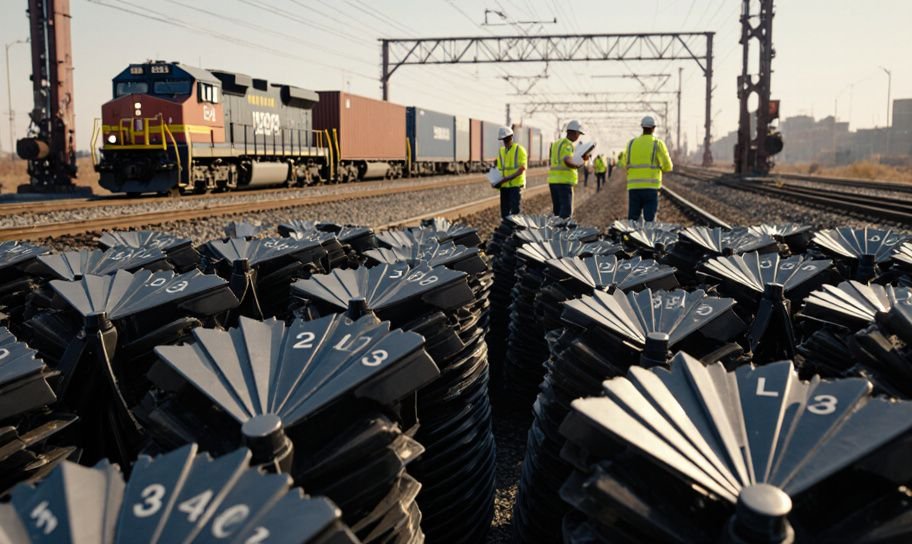
The problem started with a contract for making and supplying 344 fan-shaped switches. The Union claimed that the company, along with some railway staff, faked delivery records and got paid without delivering the goods. The CBI in Pune started a criminal investigation.
Judge Gauri Godse reviewed the case on October 17, 2025, and made a decision on February 4, 2026. The arbitration panel decided in favor of Bridge Track and Tower Pvt. Ltd., saying that the Union didn't give a warning before stopping payments, which they were supposed to do according to the contract rules.
"The petitioner was not entitled to withhold the amount on the ground of pending adjudication of the criminal proceedings."
Union of India: Argued that they should hold onto the money until the CBI finished their investigation, because there might be fraud. They mentioned past court decisions to back up their argument.
Bridge Track and Tower Pvt. Ltd.: Said holding the money was unfair since the criminal investigation wouldn't affect the civil case. They argued that payments shouldn't be stopped for goods that were actually delivered.
The court pointed out that holding onto money requires an active claim under arbitration, which the Union hadn't done. The results of the criminal case wouldn't affect the civil claims, according to rulings by the top court.
"The findings recorded in criminal proceedings would not bind the civil proceedings."
The court rejected the Union's request, stressing the importance of following the correct steps before stopping payments. Judge Gauri Godse highlighted the need to inform contractors before taking such actions.