In a recent court decision, Tata Communications Limited (TCL) won a legal battle against the State of Maharashtra. This case was about the claimed unauthorized transfer of land and a large financial demand from the state.
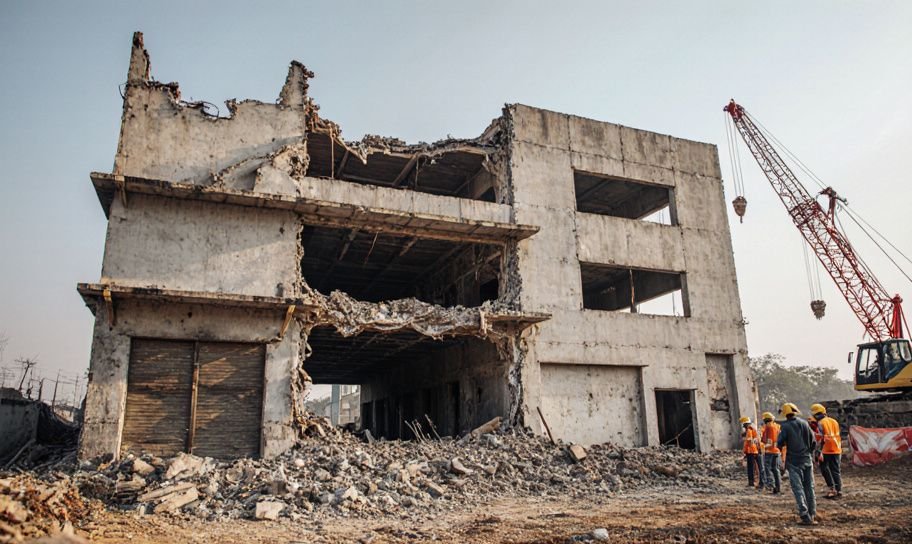
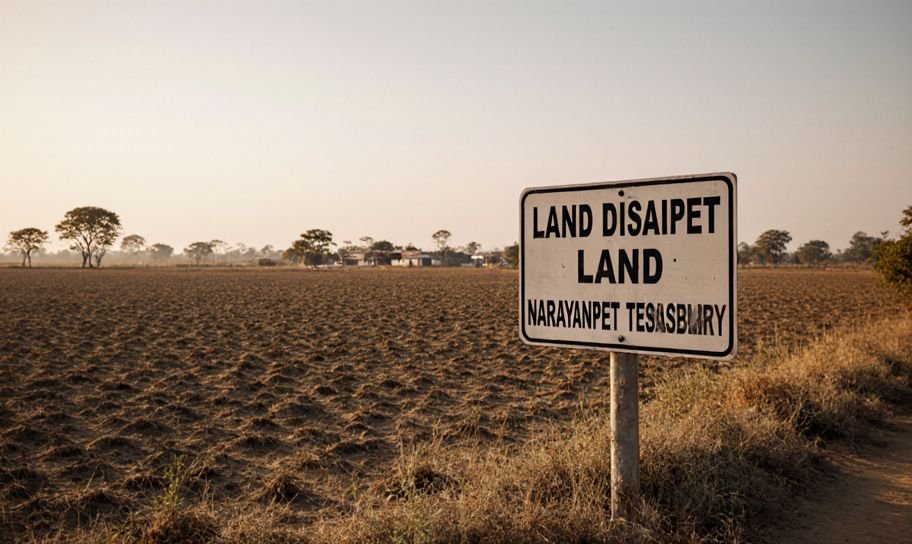
The land involved, located in Bandra, Mumbai, was originally given to Overseas Communication Services (OCS) for building staff housing back in 1991. By 1992, the land was officially given to OCS, which later became Videsh Sanchar Nigam Limited (VSNL). In 2008, VSNL changed its name to Tata Communications Limited.
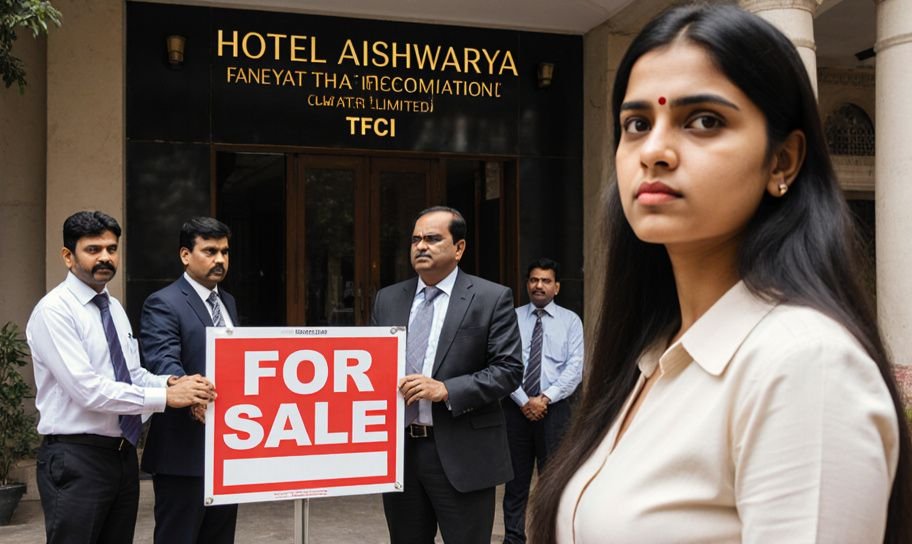
On March 25, 2011, the Collector sent a notice to TCL, saying that the land was transferred without permission, breaking the original terms. They demanded ₹26.06 crores as unearned income, arguing that the transfer of shares was the same as transferring land ownership.
TCL argued that there was no transfer of land ownership, just a change in the company's name. They stated that the land continued to be used for its intended purpose as staff housing and that the construction was completed in 1998.
Justice Kamal Khata, who was in charge of the case, decided in favor of TCL on December 1, 2025. The court found that the state's claims were not valid and that the change in who owned the shares did not mean the land was transferred. The court emphasized that shareholders do not directly own a company's property.
"A transfer of shares does not amount to a transfer of the assets of the Company."
The court criticized the state for making a baseless claim and ordered them to pay TCL ₹25 lakhs. The judgment highlighted the need for the state to avoid unnecessary lawsuits and follow legal rules.
This case serves as a reminder of the separate legal identity of companies and their shareholders. It also highlights the importance of clear legal communication and avoiding unnecessary legal actions.
The court's decision confirms that a change in a company's shareholding does not automatically mean a transfer of its property, setting an important example for similar disputes in the future.