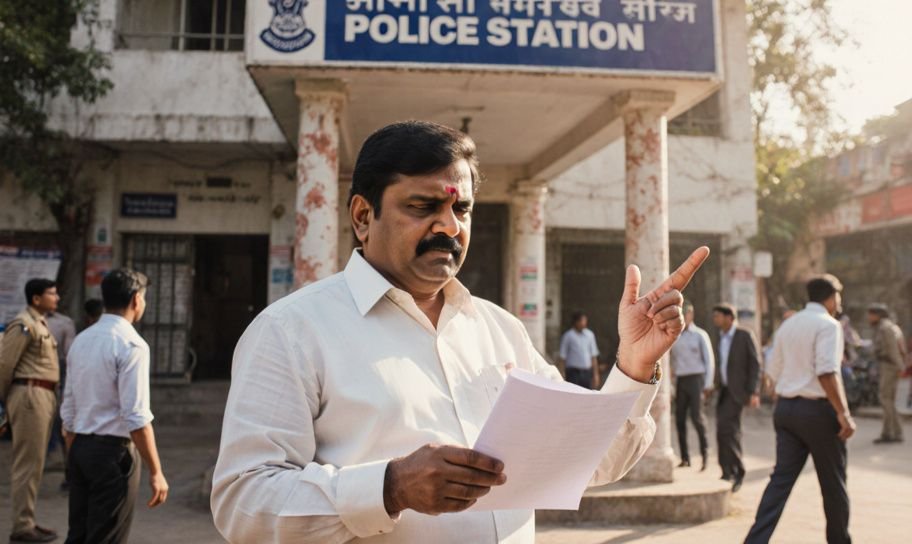
Quick Summary: A group of employees from Nashik District Central Co-op Bank, led by Raju Baban Durade, claimed they were treated unfairly at work, leading to a court ruling in their favor. The bank must now make these employees permanent after a long time of being temporary.
Raju Baban Durade and other employees from Nashik District, including places like Kalwan and Niphad, filed complaints against the Nashik District Central Co-op Bank. They argued that they were stuck in temporary jobs for over ten years, even though they were doing work meant for permanent employees. They weren't getting the same benefits as permanent employees, which they said was unfair.
"The work performed was ongoing and they were required to do tasks meant for permanent employees."
The case was heard by Justice Amit Borkar. The employees, represented by Mr. S.R. Nargolkar, argued that they were hired for permanent roles but were kept temporary without benefits. The bank admitted that they didn't have enough staff but claimed they couldn't hire permanent workers because they didn't have government approval.
"The Bank continued hiring people temporarily... the workers continued to work for long periods of time."
The bank, represented by Mr. Vishwanath Patil, said they had about 1800 employees in 2005, but many left over time. They hired temporary workers, including Raju Baban Durade and others, to keep things running. They claimed they couldn't make these jobs permanent because the government hadn't approved the staffing plan.
"The lack of formal approval cannot be seen as a complete legal barrier when there is no law stopping such action."
On March 5, 2026, the court ruled in favor of Raju Baban Durade and the other employees. It found the bank guilty of unfair labor practices and ordered them to make the employees permanent. The bank must now check if these employees qualify and offer them permanent jobs within 12 weeks.
"The respondent Bank is found to have engaged in unfair labor practices."
The bank has to make sure these employees receive the benefits they deserve, like regular pay and allowances. They can't fire or change the employees' conditions until the process of making them permanent is complete.
This case highlights the importance of fair employment practices and the role of the courts in protecting workers' rights.