Quick Summary: The Bombay High Court decided in favor of Mextech Realty Pvt. Ltd., allowing them to join Shivraj Nagar Co-op Housing Society in Thane. The case was about buying bungalows and understanding the rules of cooperative societies.
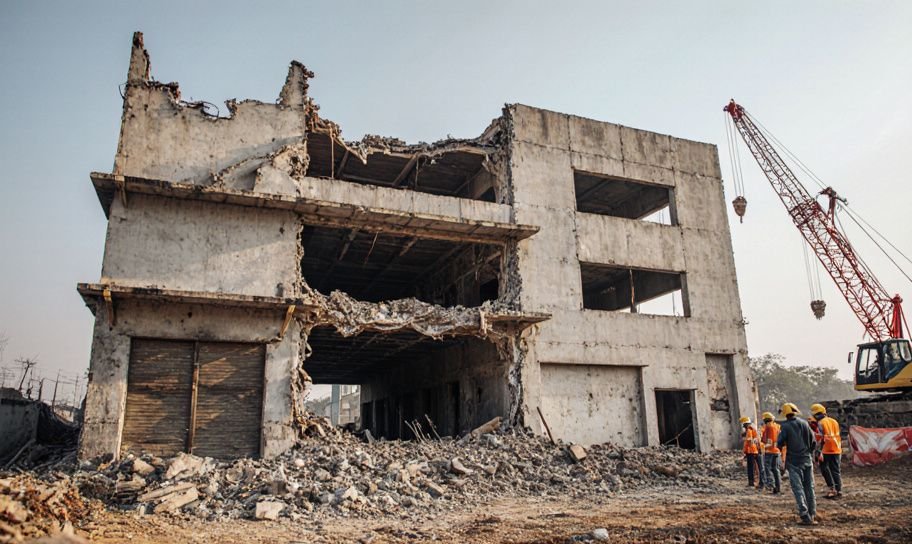
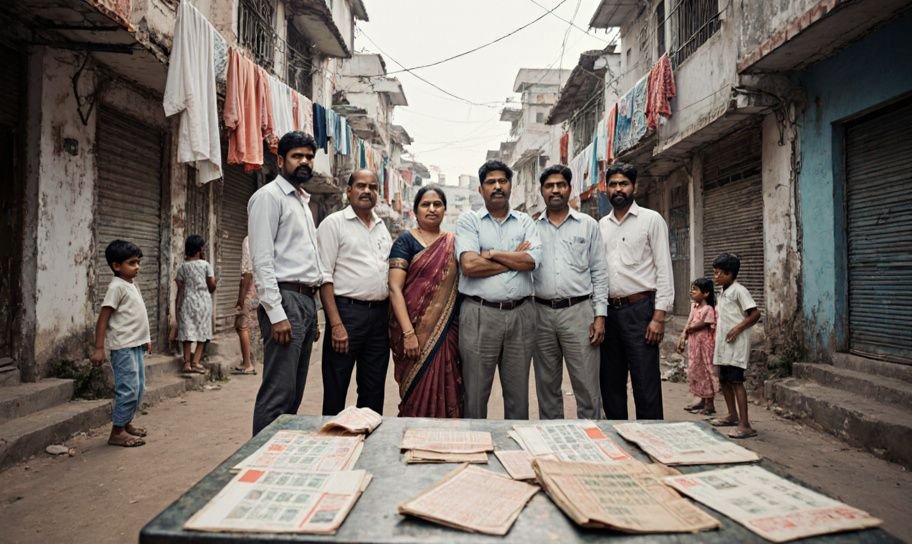
This case involved Shivraj Nagar Co-op Housing Society in Thane and Mextech Realty Pvt. Ltd., a company based in Mumbai. The situation started when Mextech Realty bought five bungalows in the society on April 7, 2008. They applied to join the society, but since the society didn’t respond in time, Mextech claimed they automatically became members.
Shivraj Nagar Co-op Housing Society challenged the sale and membership in 2008, arguing that Mextech's purchase broke a rule that limits owning more than one-fifth of a society's share capital. The disagreement went through several appeals and reviews over the years.
The case was taken to the Bombay High Court with Judge Amit Borkar in charge. The court looked into whether Mextech's membership broke any legal rules. The main question was whether buying the bungalows meant Mextech owned too much of the society.
For Shivraj Nagar Co-op Housing Society: Lawyer Mr. Gole argued that Mextech's purchase broke the rule on how much of the society one can own and that the sale agreements were against public interest.
For Mextech Realty Pvt. Ltd.: Lawyer Mr. Thorat argued that the rules about owning too much only applied when shares were given out, not when property was bought. He also mentioned that the law had changed with the introduction of Chapter XIII-B, which removed the rule for housing societies.
Judge Amit Borkar decided on December 24, 2025, that:
The court dismissed the petitions filed by Shivraj Nagar Co-op Housing Society, allowing Mextech Realty Pvt. Ltd. to become a member. However, Mextech must meet certain conditions set by the society.
"The authorities followed the law," Judge Borkar said, emphasizing that the decision was in line with the legal rules.
This ruling shows how important it is to understand the details of cooperative society rules and how changes in the law can affect ongoing disagreements.