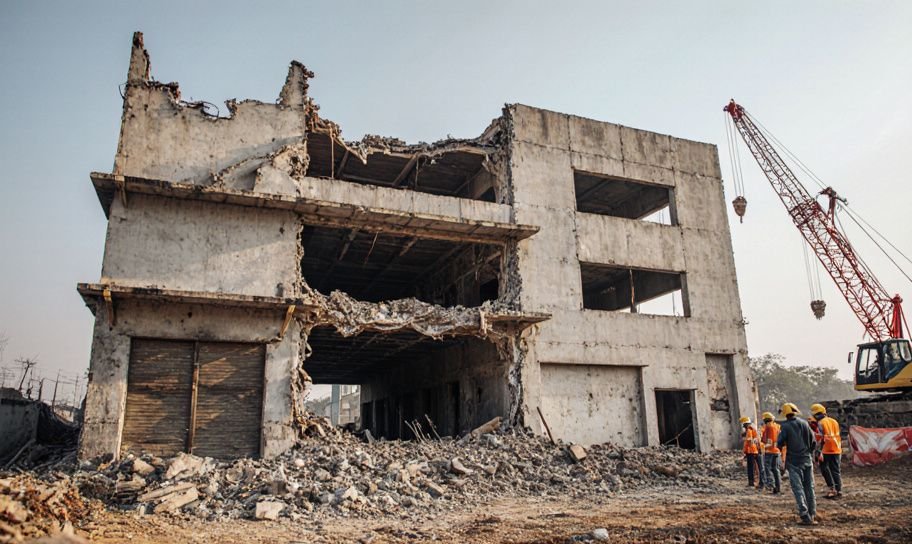
Quick Summary: Metalyst Forgings Limited, after going through a process to resolve its financial troubles, won a court case that dismissed employees' claims for getting their jobs back and receiving unpaid wages.
In a recent decision by the Bombay High Court, several legal requests involving Metalyst Forgings Limited were settled. The main question was whether employees who lost their jobs during the company's financial trouble process could ask for their jobs back and unpaid wages.
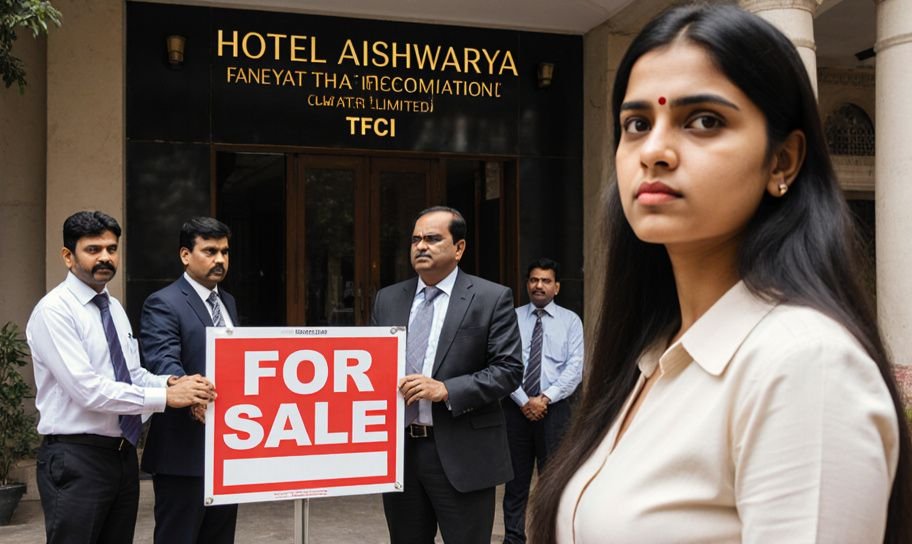
Metalyst Forgings Limited, which used to be called Ahmednagar Forgings Limited, had financial problems that led to a process to resolve its debts, started by the State Bank of India on February 16, 2017. The National Company Law Tribunal (NCLT) accepted the case on December 15, 2017, and a person was appointed to manage the process.
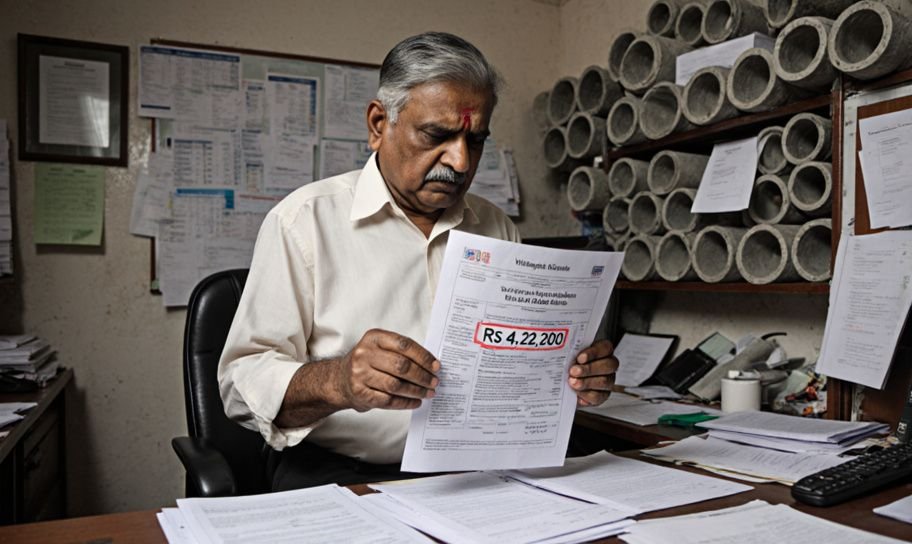
Several employees, including Sanjay Mahadeo Khune, lost their jobs during this time. The employees argued that their dismissals were unfair and wanted their jobs back with unpaid wages, claiming their rights were violated under labor laws.
"The person making the complaint has the right to get their job back with continued employment and unpaid wages."
Judge Arun R. Pedneker decided that once a plan to resolve the company's debts is approved by the NCLT, all previous claims not included in the plan are dismissed. This means the new management of Metalyst Forgings, under Deccan Value Investors LP and DVI PE (Mauritius) Ltd., does not have to deal with past claims.
"All claims that are not part of the resolution plan are dismissed."
The ruling referred to the Supreme Court's decision in the case of Essar Steel, which established that those who take over a company after a resolution plan is accepted are not responsible for unresolved claims.
The court canceled the decisions from the Industrial Tribunal and Labour Court that supported the employees' claims, effectively ending any ongoing legal actions.
The court's decision shows that the process to resolve a company's financial troubles takes priority over other laws, allowing companies to start fresh after a resolution. It highlights the difficulties employees face in keeping their rights during these processes. The ruling sets an important example for similar cases, emphasizing that once a resolution plan is approved, it applies to all involved, dismissing previous claims unless specifically included.