When the State of Goa and U.P. State Bridge Corporation Ltd. clashed over a bridge project, it led to a long legal fight. Here's a simple breakdown of what happened.
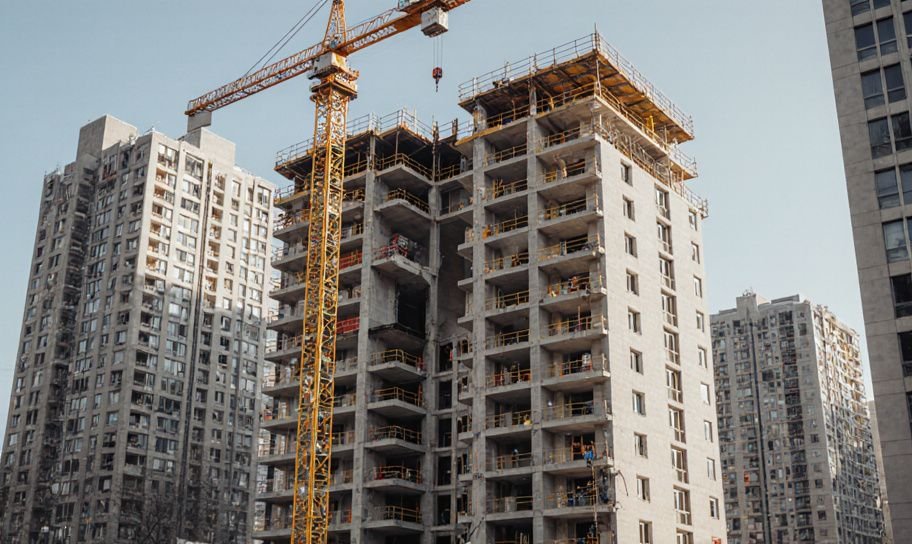
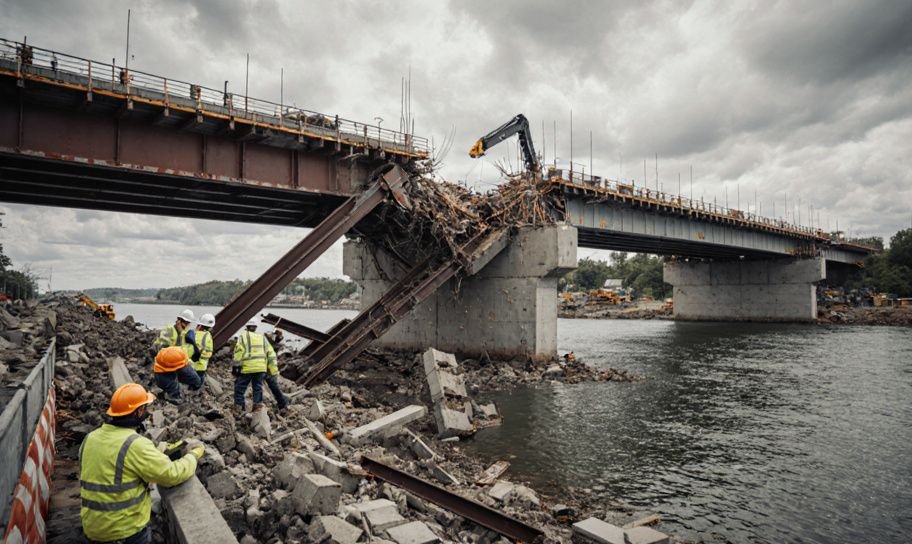
The story began with the construction of the new Mandovi Bridge on NH-17. Goa gave the contract to U.P. State Bridge Corporation on February 21, 1987. But things went wrong on October 14, 1990, when part of the bridge collapsed during construction. This accident started a series of disagreements between the two sides.
To solve the disagreements, both sides decided to use arbitration, as stated in their contract. They formed a three-member group, including Shri Shitala Sharan, chosen by U.P. State Bridge Corporation Ltd., and Shri N. N. Shrikhande, chosen by the State of Goa. The group's leader was Shri H. R. Bapu Satyanarayana.
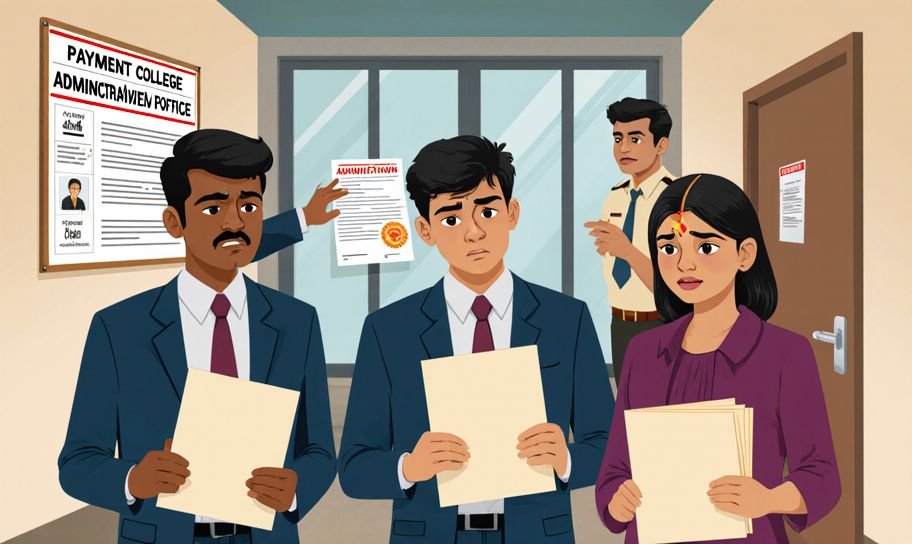
On August 8, 1997, the group decided that the State of Goa had to pay over ₹2.5 crore to U.P. State Bridge Corporation Ltd., including interest. The State of Goa was also told to withdraw a letter to an insurance company that was stopping a claim.
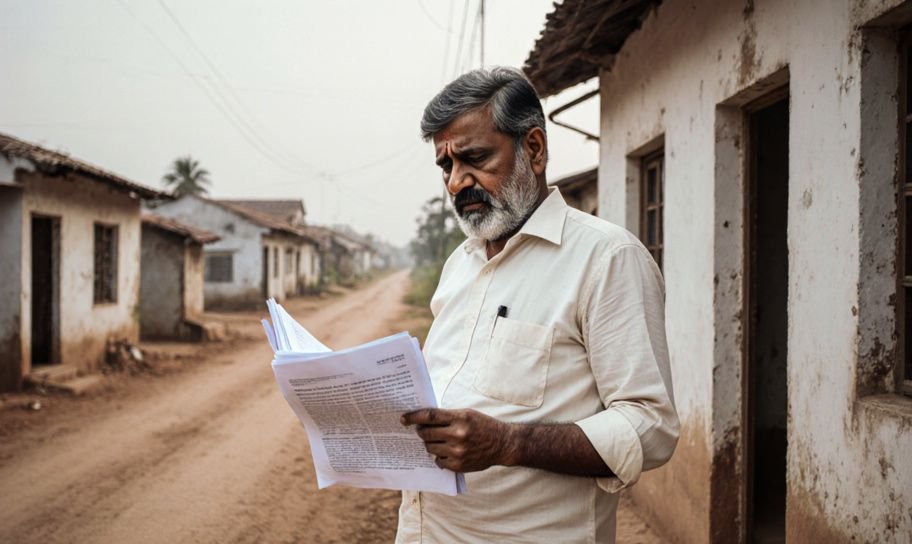
The State of Goa wasn't happy with the decision. They raised objections, saying the group went beyond its limits and questioned Shri Shitala Sharan's fairness because of his past connections with U.P. State Bridge Corporation Ltd.
The case became complicated with changes in arbitration rules. Initially governed by the Arbitration Act of 1940, the proceedings had to adjust to the new 1996 Act. This change led to challenges about which rules applied, with the State of Goa's objections getting dismissed multiple times due to delays.
The Supreme Court got involved, allowing the State of Goa to file their objections again under the new rules. However, the State of Goa failed to submit an important application explaining their delay, weakening their case.
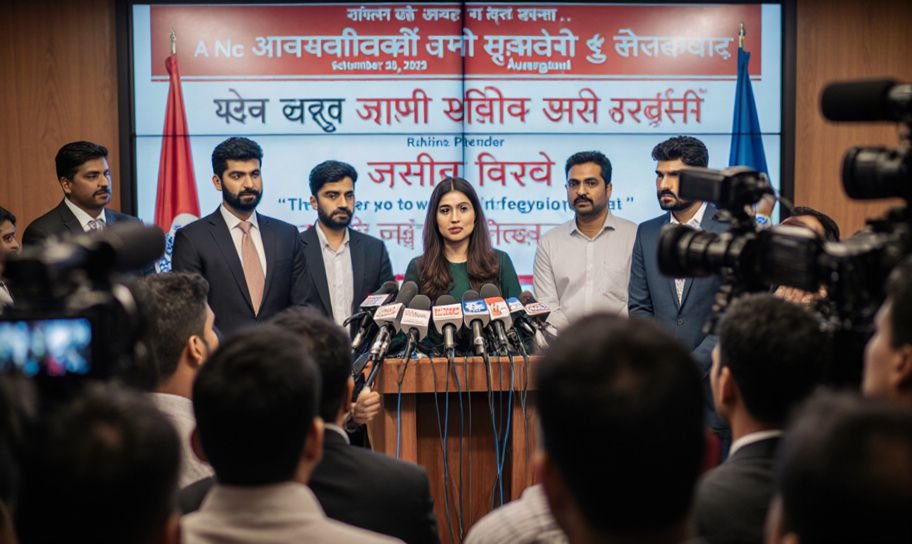
On February 27, 2026, Justice Suman Shyam of the Bombay High Court at Goa dismissed the State of Goa's appeal, citing a lack of evidence for bias and procedural mistakes. The court emphasized that the arbitration was conducted fairly and according to the rules.
"The presence of a neutral Presiding Arbitrator ensured fairness," the judgment noted.
This case highlights the importance of timely legal actions and the complexities of arbitration rules. It serves as a reminder that understanding procedural details is crucial in legal battles.