Quick Summary: In a surprising change of events, the High Court cleared three people who were earlier found guilty of killing an army captain in Ghaziabad. This decision overturned a previous ruling by the Additional District Judge.
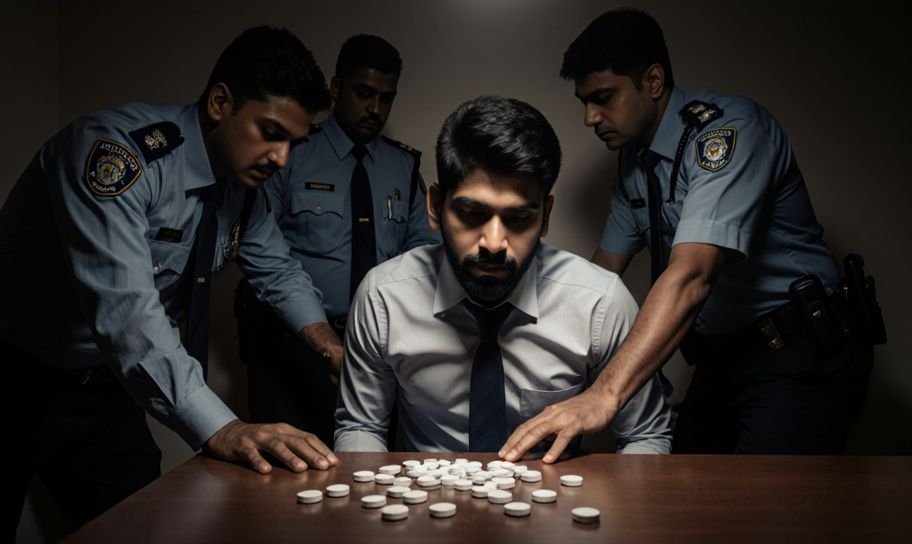
Back in 2007, the Additional District Judge in Ghaziabad found Rajveer and two others guilty of killing Captain Praveen Kumar. They were sentenced to life in prison and fined Rs. 1,50,000 each. The crime was initially filed under Section 307 of the Indian Penal Code but was later changed to Section 302 after Praveen died.
The story began with a family fight over property in Ghaziabad. On June 7, 1996, a heated argument at a village meeting led to a violent clash. Praveen Kumar and his father, Raj Pal Singh, were reportedly attacked by Dharam Pal, Rajveer, and Sudhir. Praveen was shot and later died from his injuries at a military hospital.
"Praveen was shot... declared dead when taken to the Military Hospital."
On October 10, 2012, the High Court of Allahabad overturned the conviction. The court found problems with the evidence and witness statements. For example, the claim that a 65-year-old cancer patient could drag a young army captain was considered unlikely.
Several witnesses, including villagers and military personnel, were questioned. However, differences in their statements weakened the case against the accused. The High Court noted that no solid evidence showed the accused had guns during the incident.
"The High Court reasoned... it was not possible to believe that a serving captain... could be dragged in the manner as suggested."
The High Court criticized the lack of forensic evidence connecting the accused to the crime. Although a licensed gun was found, it wasn't tested to confirm if it was used in the murder.
Justice N.V. Anjaria stressed the need for guilt to be proven without any doubt. The court referred to past cases, highlighting that acquittals should only be overturned with strong reasons.
"The guilt of the accused... must be established beyond reasonable doubt."
On December 16, 2025, the Supreme Court agreed with the High Court's decision and dismissed the appeal. The judges concluded that the High Court's evaluation of the evidence was fair and did not require any change.