Parties: MISSION ACCESSIBILITY VS UNION OF INDIA
Lawyers: SANCHITA AIN
Judges: HON'BLE MR. JUSTICE VIKRAM NATH, HON'BLE MR. JUSTICE SANDEEP MEHTA
Judgment By: HON'BLE MR. JUSTICE VIKRAM NATH
Diary Number: 8097/2025
Summary: The Supreme Court of India has made an important decision to make the Civil Services Examination more accessible for candidates with disabilities. This includes allowing changes in the details of scribes and the use of screen reader software. The case was heard by Justices Vikram Nath and Sandeep Mehta.
Mission Accessibility, a group supporting the rights of people with disabilities, filed a petition against the Union of India. They argued for fairness in the Civil Services Examination, focusing on the rights promised under the Constitution and the Rights of Persons with Disabilities Act, 2016.
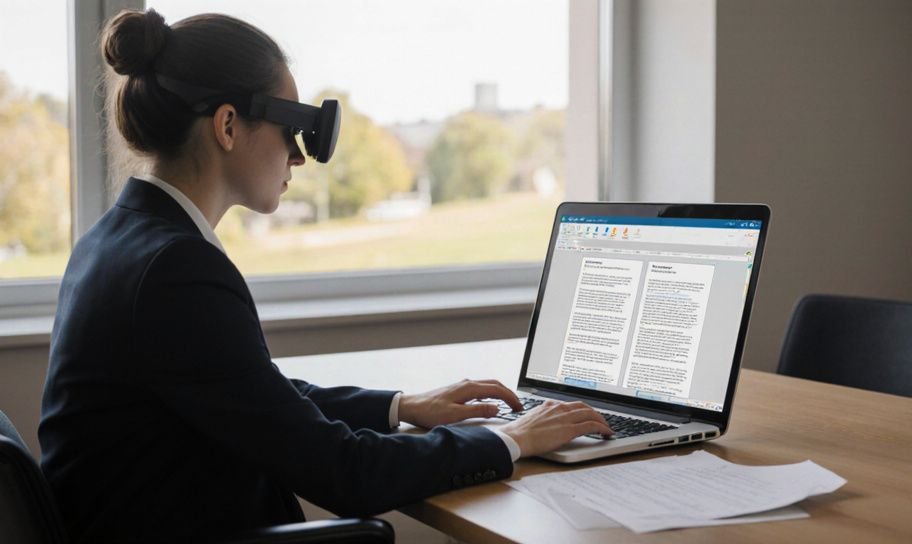
The petition asked for several changes: - Scribe Registration: Allow candidates to change scribe details closer to the exam date. - Use of Technology: Allow laptops with screen readers and provide digital question papers that are easy to access.
On May 6, 2025, the court allowed the Department of Personnel and Training to join the case. The Union Public Service Commission (UPSC) was asked to discuss concerns with the department and provide a written statement addressing the requests for changing scribes.
UPSC received 27 requests for changing scribes and promised to consider them by May 18, 2025. They also said they were open to exploring the use of screen readers but mentioned some practical challenges.
By September 2025, UPSC decided to introduce screen readers for visually impaired candidates. However, they pointed out the lack of infrastructure and the need to rely on state and local authorities for organizing the exams.
On December 3, 2025, the court gave clear instructions: - Scribe Changes: Requests can be made up to seven days before the exam. - Screen Readers: UPSC must plan for their implementation and report back by February 16, 2026. - Collaboration: UPSC should work with relevant departments to ensure everything is done right.
The court's decision is a big step towards making sure that public exams are fair and accessible to everyone, especially people with disabilities. This sets an example for future actions to promote equality and accessibility.