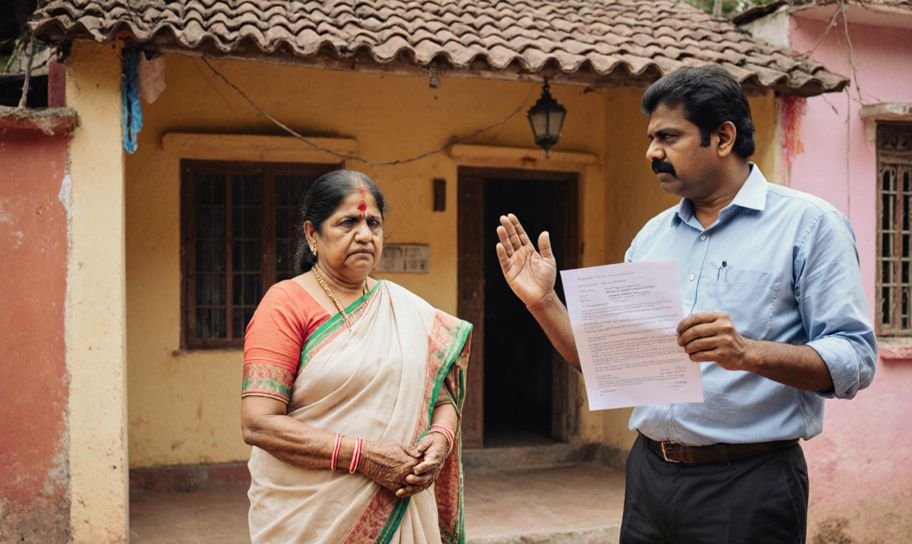
In a dramatic turn of events, the Supreme Court has reversed the decision to let Chaman Lal go free. He was accused of killing his wife, Saro Devi, in the beautiful village of Rampur, Himachal Pradesh. Let's dive into the details of this gripping legal story.
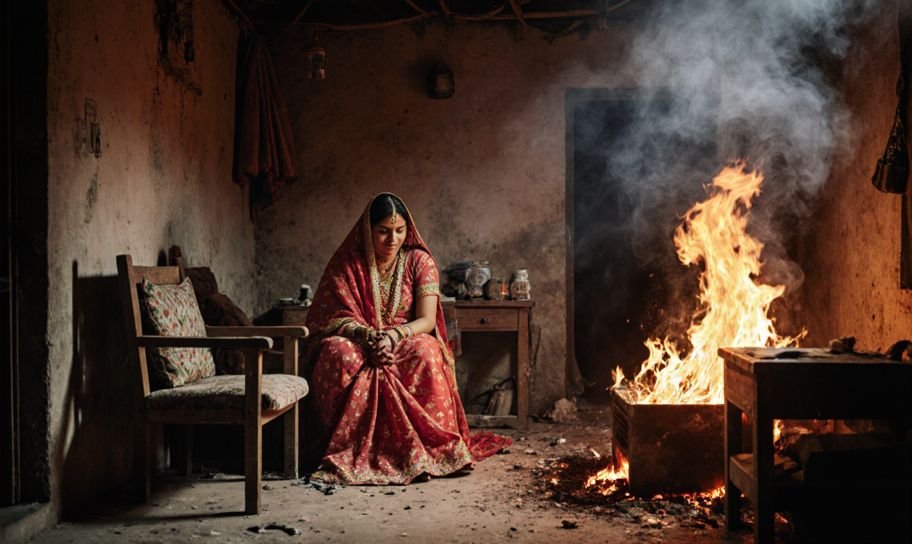
On December 7, 2009, Chaman Lal allegedly poured kerosene on his wife, Saro Devi, and set her on fire. This horrifying act took place at their home in Rampur, Chamba District. Despite efforts to save her, Saro Devi suffered severe burns and eventually passed away from her injuries on January 15, 2010.
"I got burnt, save me," Saro Devi reportedly said to her brother, Ramesh Kumar, over the phone.
The trial court found Chaman Lal guilty of murder in 2010. He was sentenced to life in prison and fined Rs. 50,000. The court relied heavily on Saro Devi's statement before she died, where she accused her husband of setting her on fire.
In a surprising move, the Himachal Pradesh High Court let Chaman Lal go free in 2014, citing inconsistencies in the dying declaration and other testimonies. They gave him the benefit of the doubt, leading to his release.
The Supreme Court, led by Justices Ahsanuddin Amanullah and R. Mahadevan, reviewed the case. They found the High Court's decision flawed, stating it was based on "speculative and overly technical reasons." The Supreme Court reinstated the trial court's conviction on January 15, 2026.
"The dying declaration of the deceased, Saro Devi, is voluntary, truthful, and reliable," stated Justice Amanullah.
The dying declaration was crucial. Recorded by Tehsildar Amar Singh in the presence of police officers, it clearly named Chaman Lal as the person responsible. Despite initial doubts about its timing and recording, the Supreme Court found it believable.
The defense argued that Saro Devi set herself on fire due to humiliation, citing testimonies from villagers and family members. However, the Supreme Court dismissed these claims due to lack of supporting evidence.
The Supreme Court's decision emphasizes the importance of credible evidence and the careful examination required in appeals. Chaman Lal now faces the consequences of the original conviction, bringing closure to a long and difficult legal journey.