Summary: A family argument over inherited property led to a court decision that divided the property among family members, despite a problematic marriage making things more complicated.
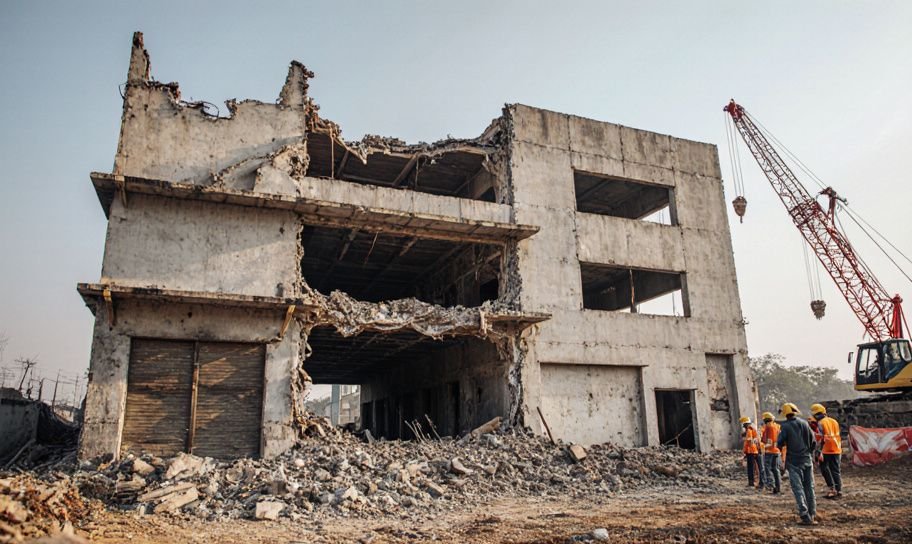
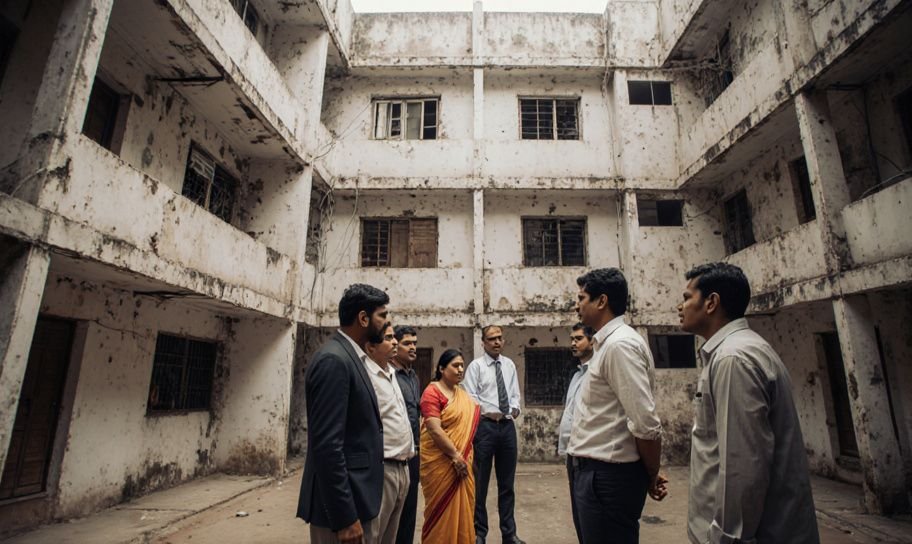
Recently, the Madurai Bench of the Madras High Court resolved a complicated family argument. The case involved Jeyaraj, who brought the case, and A. Stalin, who was on the other side. It was about dividing up the family properties left by Ayyanan Ambalam, who had two marriages, creating a confusing family situation.
Ayyanan Ambalam first married Adaikki and had two sons and two daughters. He later married Karuppayee, but the court said this marriage was not valid. This second marriage resulted in a son, Jeyaraj, who was a main person in the property argument.
"The marriage of Ayyanan Ambalam with the 2nd defendant is not valid," stated the court.
The properties were inherited, making them something the whole family owned together. The sons from the first marriage wanted a bigger portion. The trial court originally decided in favor of these sons, giving them a large part of the property.
Jeyaraj and his mother said that Ayyanan divorced Adaikki through a traditional practice, making the second marriage valid. However, the court found no proof of this, since the people who could have testified were too young at the time of the supposed divorce.
The court, led by Justices C.V. Karthikeyan and R. Vijayakumar, decided that all family members, including those from the invalid marriage, should get a share. However, the second wife, Karuppayee, did not get a share because her marriage was not considered valid.
"The first defendant would be entitled to a share equal to the plaintiffs," the court declared.
The court carefully divided the property, making sure each family member got their fair share. The first plaintiff and defendants 4 and 5 were each entitled to 116/480th of the property, while defendants 6 to 9 received 29/480th each.
The court decided that all family members, even those from the second marriage, should get a portion of the property, except for the second wife, whose marriage was not recognized as valid.