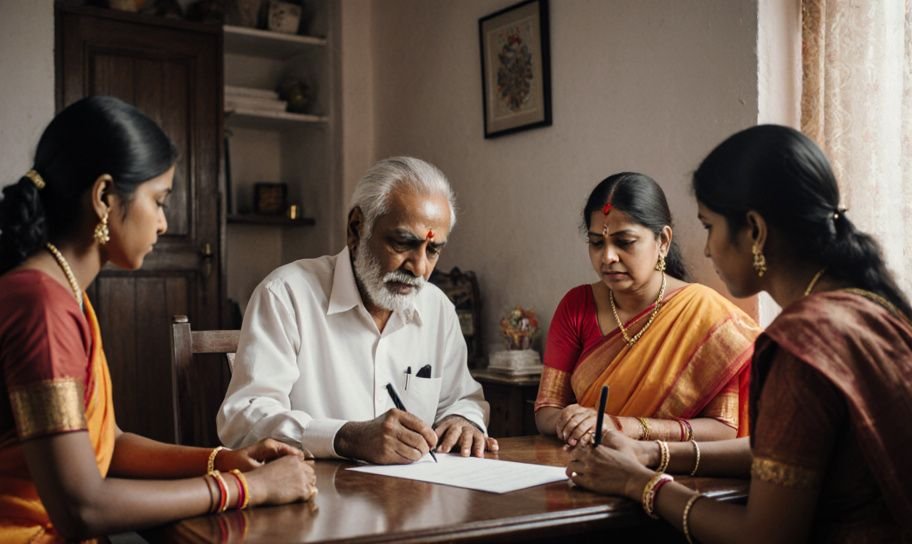
On February 26, 2026, the Madras High Court, led by Dr. Justice A.D. Maria Clete, rejected a request by J. Rajendran against Sri Vengeeswarar Alagarperumal and Nagathamman Koil Devasthanam. The case was about a land argument in Chennai, where J. Rajendran challenged the temple's right to remove him from the property.
The case began with a lawsuit in 2004 for unpaid rent and control of land. J. Rajendran claimed that the land was "inam" land and should not belong to the temple after a law passed in 1963. He argued that he had rights to the land through a previous occupant, C.H. John, and had built a structure on it.
The first court initially rejected the temple's lawsuit, but this decision was changed in a first appeal on June 30, 2009. A later second appeal was also rejected on January 4, 2010. The temple then asked for the court's help to take control of the land in 2010.
J. Rajendran filed a request, arguing that the court's decision was invalid because the court didn't have the power to make it. He claimed the land was a type of land called ryotwari and the temple had no ownership. He also said that the decision was made by cheating and that the temple's trustee had no power.
"The decision is invalid because the court didn't have the power to make it," argued J. Rajendran.
The temple disagreed with the request, saying that these issues had been raised and dismissed before. They stressed that a tenant cannot deny the landlord’s ownership and that the court cannot change the decision.
The court found that the decision was final and that J. Rajendran’s complaints were not new. It relied on previous decisions to confirm that J. Rajendran, as a tenant, could not question the landlord's ownership. The court mentioned a rule that stops tenants from denying the landlord's ownership while they are still renting.
"Once this rule applies, the petitioner cannot turn a question of ownership into a question of the court's power," noted the court.
The court rejected the request, emphasizing that J. Rajendran could not deny the temple's ownership while still using the property. This decision underscores the rule that tenants cannot challenge the landlord’s ownership once they have agreed to rent the property.