Summary: On February 24, 2026, the Delhi High Court ruled on a case involving Sadguru Engineers and the National Highways Infrastructure Development Corporation. Sadguru sought to stop the cashing of bank guarantees and the ending of contracts related to highway construction.
Sadguru Engineers, based in Guwahati, Assam, was hired by the National Highways Infrastructure Development Corporation (NHIDCL) for road work on National Highway No.37. Contracts were signed on February 7, 2024, after Sadguru won the bid on January 15, 2024. They provided performance and mobilization bank guarantees totaling over ₹8.63 crore.
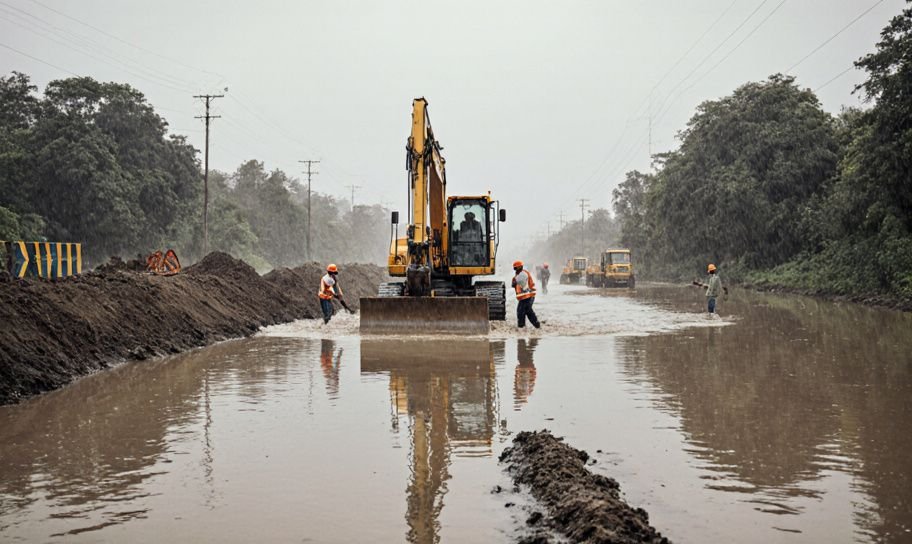
Despite significant progress, Sadguru faced delays due to factors like flooding and utility obstructions. They claimed these were beyond their control and asked for more time. NHIDCL, however, was not convinced and issued a termination notice on January 15, 2026, saying the contractor was at fault.
Sadguru filed a request on January 5, 2026, to prevent NHIDCL from cashing in the bank guarantees. They argued that the delays were due to unavoidable circumstances and that NHIDCL’s actions were not fair.
"The calling of the BGs is clearly illegal, especially if we only consider the terms of the BGs to check the legality of the calling..." - Sadguru's Lawyer
NHIDCL argued that Sadguru failed to meet their promises, and the guarantees were rightfully called. They highlighted that the project was crucial for national infrastructure and that Sadguru's main promoter was under investigation for fraud.
The court, led by Justice Harish Vaidyanathan Shankar, decided to stop the cashing of the bank guarantees for now. However, it allowed the termination notice to stand, emphasizing that such contracts can be ended.
"The powers of the Court under Section 9 of the A&C Act are very broad..." - Justice Shankar
The court ruled that the argument over the bank guarantees should be resolved through arbitration. This decision ensures that the guarantees remain untouched while the underlying issues are decided.
For more details, you can refer to the Delhi High Court's judgment dated February 24, 2026.