The Delhi High Court recently made an important decision about not taking back extra pay from a retiree. The case involved the government of India and K S Padmavathy, focusing on employee rights and how things should be handled by the administration.
The issue started with a pay adjustment order from 2015. K S Padmavathy’s salary was changed to match that of a younger colleague, Mr. S. Govindrajan, starting from August 16, 2007. This was based on earlier orders that aimed to increase the pay for Senior Accountants to match their younger coworkers.
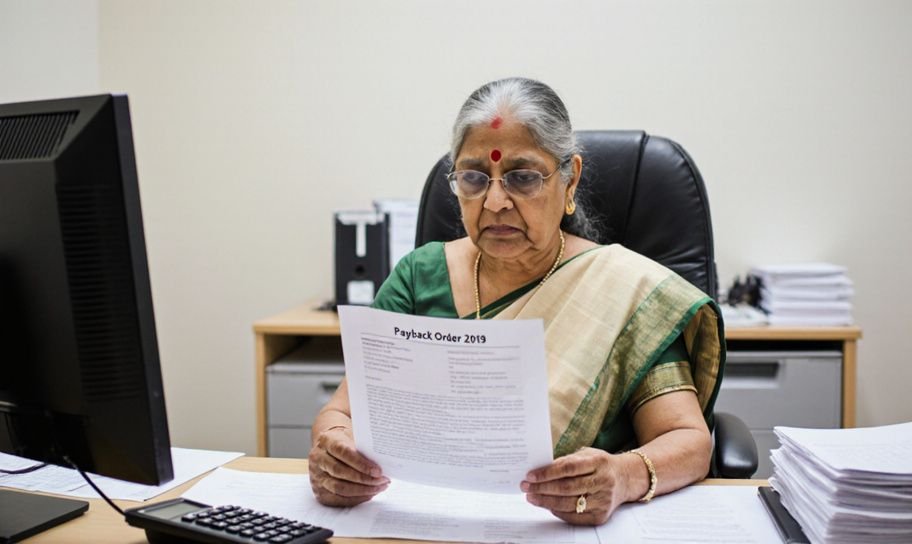
In 2019, an audit raised concerns, leading to an order to pay back Rs. 4,54,085. This order was given just before K S Padmavathy's retirement, which led to her filing a request with the Central Administrative Tribunal.
"The recovery of the excess amount is hereby quashed and set aside."
On April 23, 2024, the Tribunal partly agreed with K S Padmavathy’s request. It canceled the payback order but allowed the government to reconsider future retirement benefits, as long as they gave K S Padmavathy a fair chance to speak.
On December 8, 2025, Justices Navin Chawla and Madhu Jain rejected the request from the government of India. They decided that taking back money right before retirement was against the Supreme Court's earlier decision in the Rafiq Masih case. The court said that general agreements signed by employees during pay adjustments were not enough to justify taking back the money.
"Merely relying on the general undertakings... cannot come to the aid of the petitioners."
This case shows the importance of treating employees fairly as they approach retirement. The court stressed that unless there was cheating or lying involved, taking back extra pay should not happen at the retirement stage.