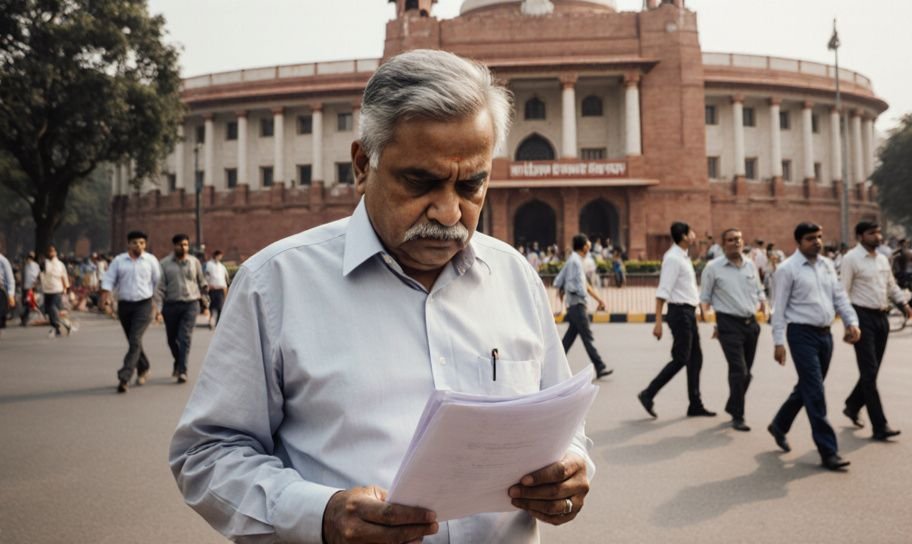
Quick Summary: Recently, the Delhi High Court overturned an arbitration decision involving the Railways Board and Titagarh Rail Systems Limited. The court found that the person chosen to settle the dispute was not appointed correctly according to Indian law.
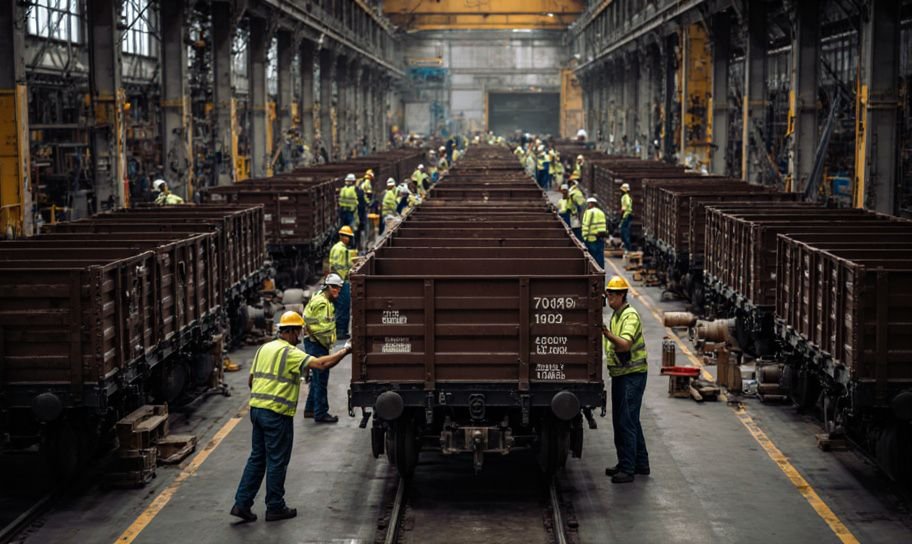
On September 30, 2020, the Railways Board gave a contract to Titagarh Rail Systems Limited to make and deliver 1652 wagons, worth over ₹499 crores. However, problems came up about delivery times and penalties. On March 20, 2023, the Railways Board canceled the contract for the remaining 390 wagons and took the bank guarantee.
Titagarh Rail Systems started the arbitration process in May 2023 and suggested someone to settle the dispute. They made it clear that they did not give up their rights under Section 12(5) of the Arbitration and Conciliation Act, 1996. However, the Railways Board chose one of their employees to be the sole arbitrator, who then made a decision in favor of Titagarh.
"The respondent was directed to refund LD to the extent of ₹5,19,15,870/- for supply of 272 wagons after 29.03.2022."
The Railways Board argued that choosing their employee as the arbitrator broke Section 12(5) of the Act, which says employees can't be arbitrators unless both parties agree in writing. The court agreed, pointing out there was no written agreement.
"Choosing a current employee as an arbitrator goes against Section 12(5) along with Schedule VII of the Act."
Justice Avneesh Jhingan decided that the choice of arbitrator was invalid from the beginning. Without a clear written agreement, the decision was meaningless. The court stressed that just because a party takes part in arbitration, it doesn't mean they give up their rights.
This decision shows how important it is to follow the rules for choosing someone to settle disputes. It also highlights the need for clear agreements in arbitration to prevent arguments about who has the right to settle the dispute.
The court's decision to overturn the arbitration award was due to the improper appointment of an arbitrator, which was a violation of the law. This serves as a lesson to ensure proper procedures are followed to avoid legal problems.