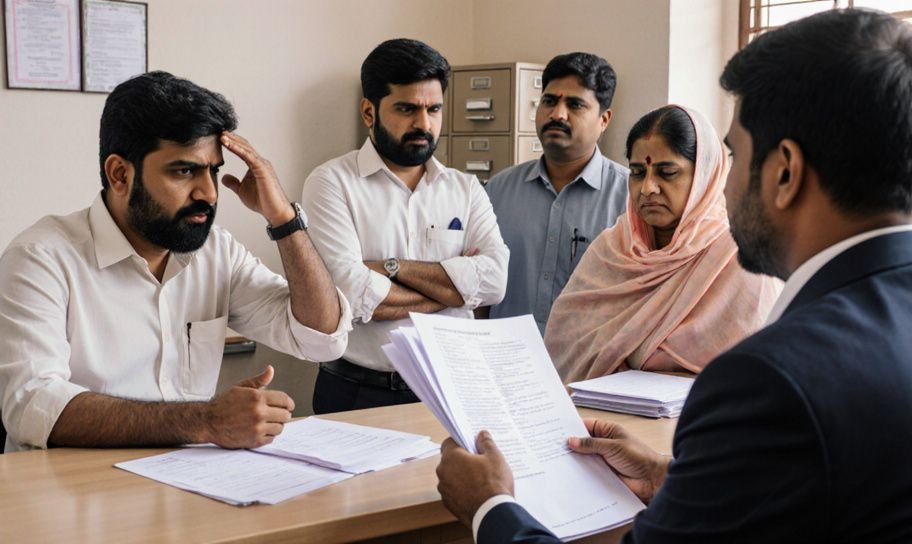
Let's dive into a recent court case that happened in Delhi on February 16, 2026. It's all about who can speak on behalf of clients in tribunals. The Bar Council of India and the Association of Tax Lawyers are questioning whether people who aren't lawyers can do this. This case has a lot going on, so let's break it down.
The case involves several petitions. The Bar Council of India and the Association of Tax Lawyers are the main groups bringing the case. They're going against the Union of India. Judges Prathiba M. Singh and Madhu Jain are in charge of the case.
The main issue is whether people who aren't lawyers, like Chartered Accountants, Company Secretaries, and Cost Accountants, can speak for clients in tribunals. According to the Advocates Act, 1961, only lawyers can practice law in courts or tribunals.
"Such class of persons include Chartered Accountants, Company Secretaries, Cost Accountants and other persons with similar qualifications..."
The Bar Council of India argues that only those registered as lawyers can appear in tribunals. They rely on the Advocates Act, 1961, which requires registration with the State Bar Council.
On the other hand, non-lawyers argue that the Companies Act, 2013, lets them represent clients in tribunals. They refer to section 432 of the Act, which they believe allows this.
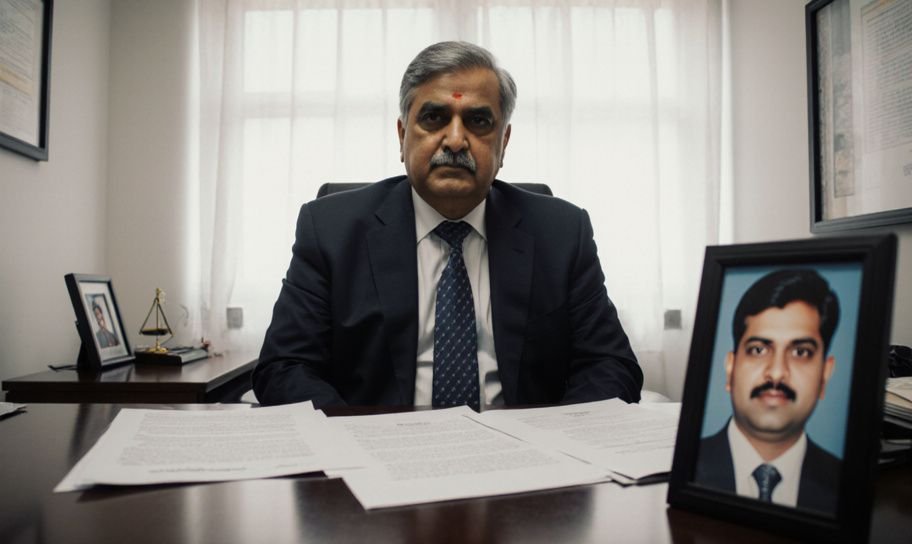
One of the people who brought the case, Mr. Purav Middha, sadly passed away. His case questioned whether section 432 of the Companies Act, 2013, was constitutional. His brother, Mr. Ashish Middha, has stepped in to continue the case.
Mr. Rajeev Saxena, speaking for the Association of Tax Lawyers, argues that only lawyers should practice law, according to the Advocates Act. He also mentions that those practicing without permission could be punished under section 45 of the Act.
"Section 33 of the Advocates Act, 1961, does not permit the practice of law to be conducted by anyone else..."
The court has postponed the case to March 16, 2026, giving more time for written arguments. Judge Prathiba M. Singh made it clear that no more delays will be accepted.
So, that's where things stand. This case could greatly affect who gets to represent clients in tribunals across India.