Quick Summary: The Delhi High Court canceled an arbitration decision involving IFFCO Tokio General Insurance and Unison Hotels because it took too long to announce the decision, affecting the fairness of the judgment.
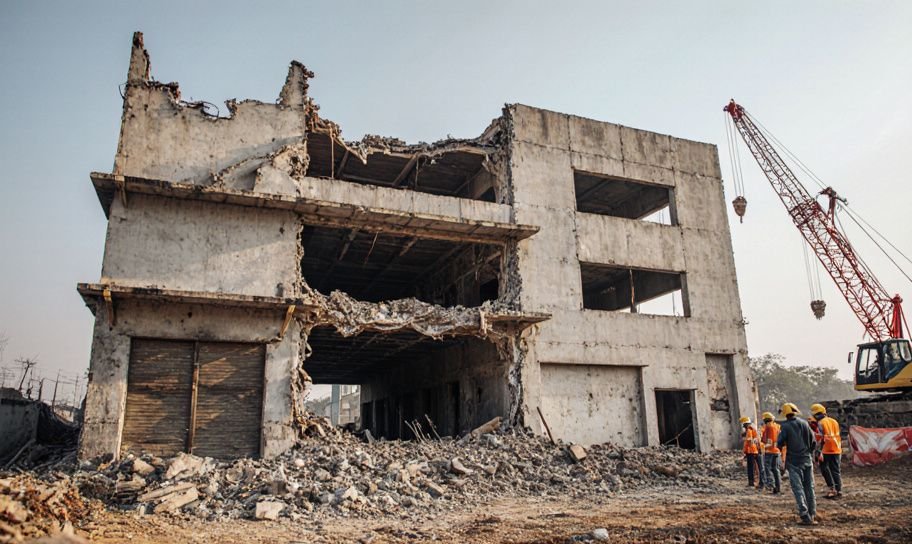
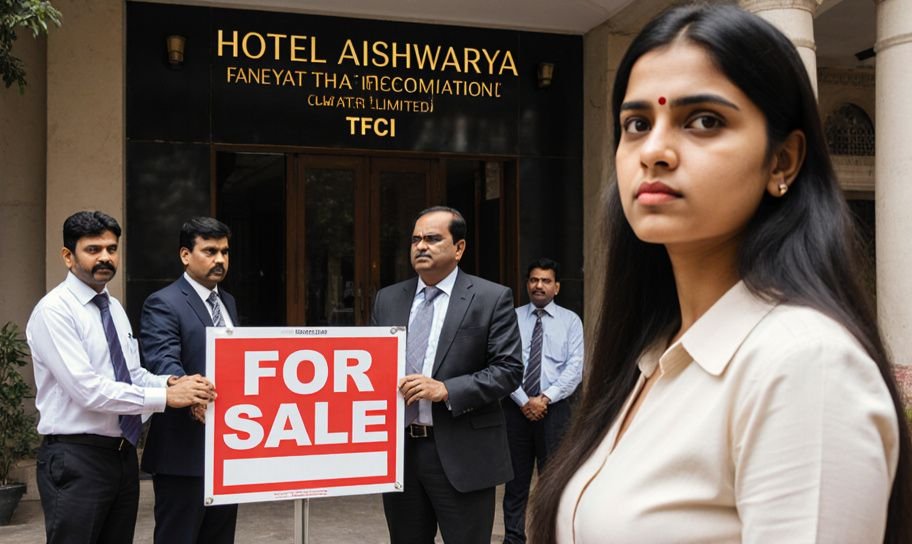
On January 30, 2026, Judge Avneesh Jhingan gave a decision about a disagreement between IFFCO Tokio General Insurance Company Ltd. and Unison Hotels Pvt. Ltd. The case was about a fire insurance claim for a hotel in Delhi, covered by two types of insurance: one for physical damages and another for lost profits.
On January 26, 2008, a fire damaged the insured property. Unison Hotels asked for about ₹68.64 crores for physical damages and ₹100 crores for lost profits. They received partial payments of ₹20 crores and ₹30 crores, and the claim was settled on January 30, 2012.
Unison Hotels decided to use the arbitration process, and a group was formed to handle it on April 27, 2012. They officially filed their claim on September 7, 2012. The arbitration decision was reserved on March 6, 2021, and announced two years later, on March 6, 2023.
IFFCO Tokio argued that taking too long to announce the decision was unreasonable and made it hard for the group to properly consider any objections. They referred to past cases to support their argument that such delays could make a decision invalid.
"A long delay shakes the confidence of the parties about whether their arguments were properly considered."
The group handling the arbitration said the delay was due to COVID-19 disruptions and the time needed for written arguments. They claimed that they thoroughly examined and calculated the claims.
Judge Jhingan noted that while delays alone don't make a decision invalid, they can if they negatively affect the group's findings. The court found the delay unjustified because the reasons given did not match the guidelines from the Supreme Court.
"The findings on the jurisdictional issue raised were affected by the delay in announcing the decision."
The court canceled the arbitration decision because the delay affected the fairness of the judgment. This case shows how important it is for arbitration to be quick, especially since court involvement is limited.