Summary: A series of appeals in Bombay High Court, Aurangabad Bench, focus on compensation for land acquired in Vaijapur. The court addressed issues of land classification and compensation for additional factors like trees and structures.
In Vaijapur, landowners were caught in a compensation dispute after their lands were taken. The original payment, decided on December 3, 1986, was Rs. 370 per R, without considering wells or trees. Unhappy landowners, including the family of Nivrutti Govind Salunke, asked for more money.
Appeals and Arguments
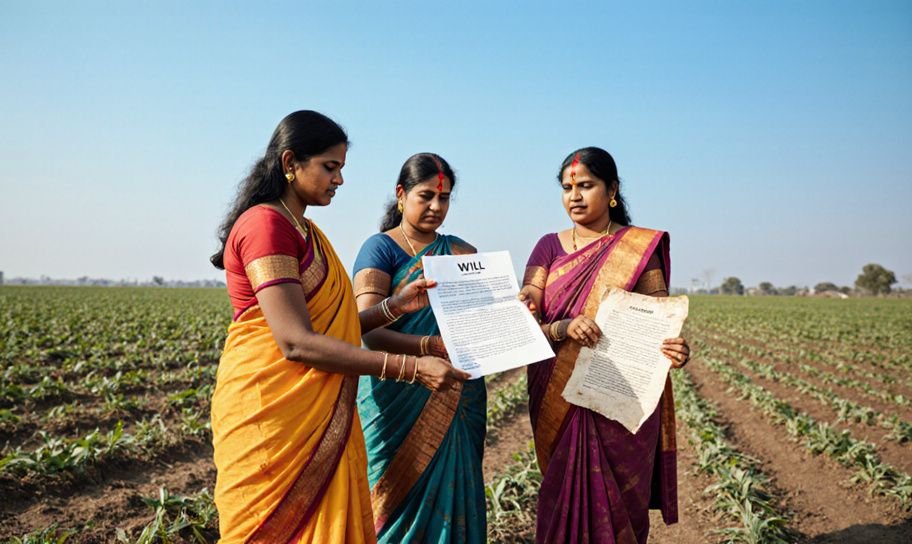
Several appeals were filed, including First Appeal No. 1328 of 2024 involving Nivrutti Govind Salunke's family. The people appealing argued that their lands, labeled as dry, should be seen as having irrigation, deserving more money.
Key Issues
Judge's Ruling
Judge Shailesh P. Brahme decided on February 27, 2026, that the people appealing should get Rs. 3,000 per R for irrigated lands, similar to past decisions in related cases.
Further Instructions
Cases were divided into two groups:
Section 28-A of the Land Acquisition Act
The court stressed that Section 28-A is meant to ensure fair payment, especially for those who couldn't initially question the rates. It allows for recalculating the payment, including extra factors like buildings and trees.
Future Directions
The Reference Court must now reassess Group II cases, focusing on payment for extra land features. They have until March 18, 2026, to finish this.
The court decided that the families involved should receive more money for their lands if they can prove the lands were irrigated or had other valuable features like trees and buildings. The cases with enough evidence were given higher compensation, while others were sent back for more review.