Summary: The Supreme Court of India has canceled a police report against Vandana Jain and others, deciding that the case is really a business disagreement and not a crime.
On February 25, 2026, the Supreme Court gave its decision on the case involving Vandana Jain and others against the State of Uttar Pradesh. The appeal was against a decision from the Allahabad High Court dated July 30, 2021, which dismissed a request to cancel a police report filed on March 14, 2021.
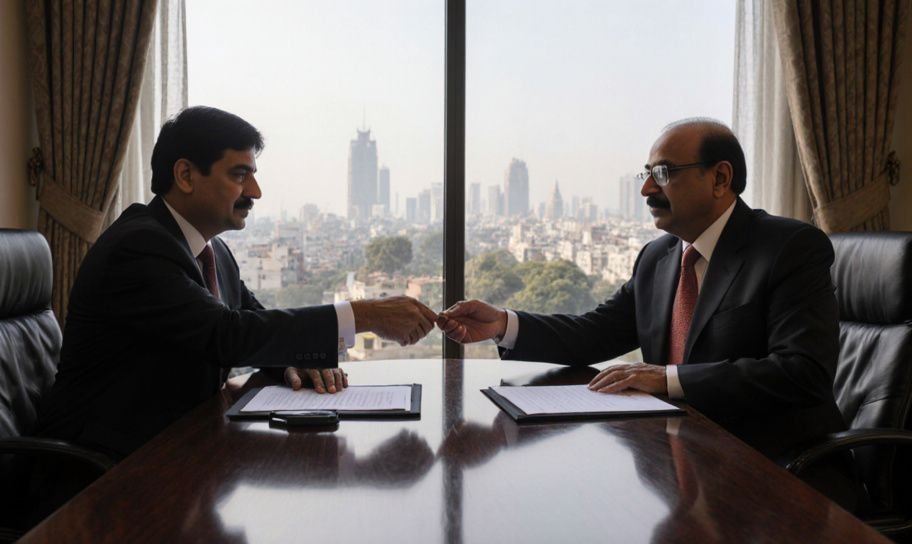
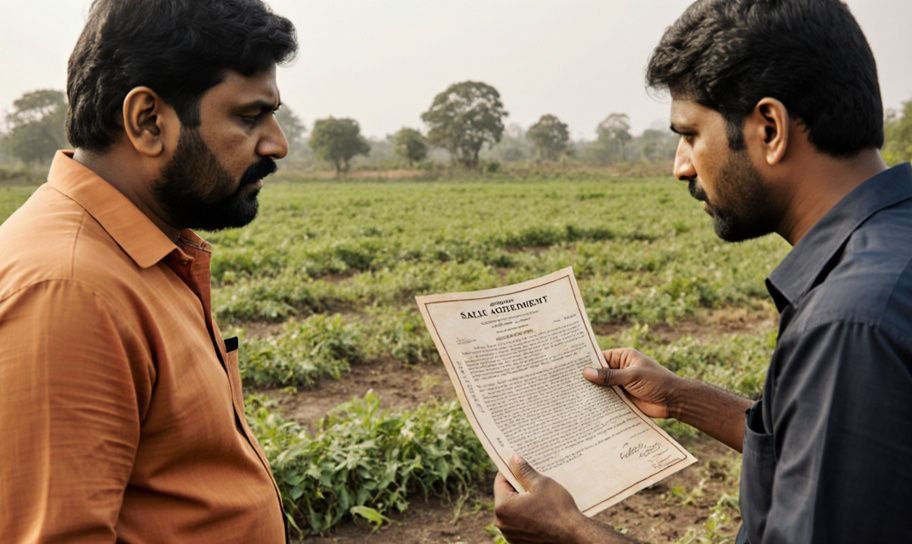
In 2010, Vandana Jain and her partners made a business deal with Motor General Sales Ltd. to develop a piece of land in Kanpur. The deal stated that Motor General Sales Ltd. would build homes on the land provided by Jain and her partners. Both sides would share the project equally.
The police report accused Jain and others of not handing over the land even after getting a security deposit of ₹1 crore. It also claimed that they lied about the land being free from legal issues and faked documents to trick the complainant.
"Even after getting Rs. 1 Crore as security...the accused did not hand over the land."
Justice Manoj Misra, giving the decision, pointed out several important issues: - The police report did not prove claims of faking documents or lying. - The business agreement did not clearly state that there were no legal issues with the land. - The security deposit was not meant to be returned, and was there to make sure both sides followed the agreement.
The High Court dismissed the request without checking if the police report was about a business disagreement rather than a crime. The Supreme Court criticized this, saying it's important to tell the difference between business and criminal issues.
The Supreme Court decided that the disagreement is about business, coming from the business agreement, and is not a crime. The decision canceled the police report and any related actions.
"The police report only shows a business issue."
This case shows how important it is to carefully tell the difference between business and criminal issues, especially in complicated agreements like business partnerships.