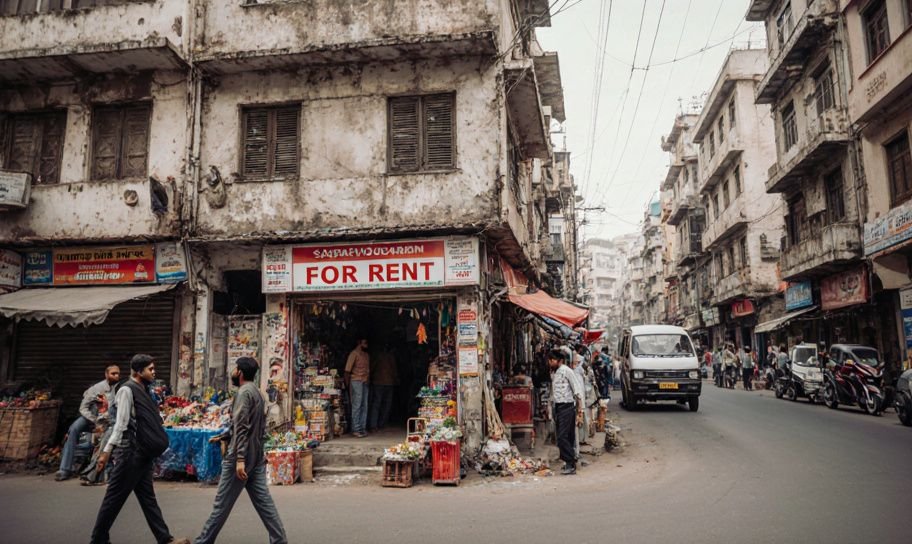
Summary: In a recent court decision, 25 requests to stop eviction from buildings without proper approval in Malad (East), Mumbai, were rejected. The High Court supported the eviction orders, stressing the importance of following the law.
In this case, Sunita Mukesh Ghaichand and others challenged an eviction order dated 23rd January 2025, issued by the Estate Officer of the Western Railway in Mumbai. The order required them to leave buildings without proper approval in Malad (East) within 15 days. The buildings were considered unauthorised, and the people involved claimed to have lived there since 1980.
The people involved first went to the City Civil Court in Mumbai, which rejected their appeal on 6th May 2025. As a result, they filed appeals in the High Court of Bombay. The case was heard by Judges Ravindra V. Ghuge and Abhay J. Mantri, who reserved their decision on 17th February 2026 and announced it on 26th February 2026.
The people involved argued that the eviction order ignored the Government Resolution dated 12th December 2000, which could label them as Project Affected Persons (PAP) under the Mumbai Urban Transport Project (MUTP). They claimed they should get benefits for moving and resettling.
The court found that the people involved did not qualify as PAPs and their homes were not close enough to the railway line to get benefits. The court noted:
"The people involved failed to show that their buildings are legal or affected by the MUT project."
The court rejected the appeals, telling the people involved to leave within 60 days, or else the Western Railways could continue with eviction.
The court set specific rules for eviction:
The court highlighted the importance of following the rules in eviction cases. While Sunita Mukesh Ghaichand and others did not receive any relief, the decision showed the ongoing challenges between people living in unauthorised buildings and authorities in crowded cities like Mumbai.