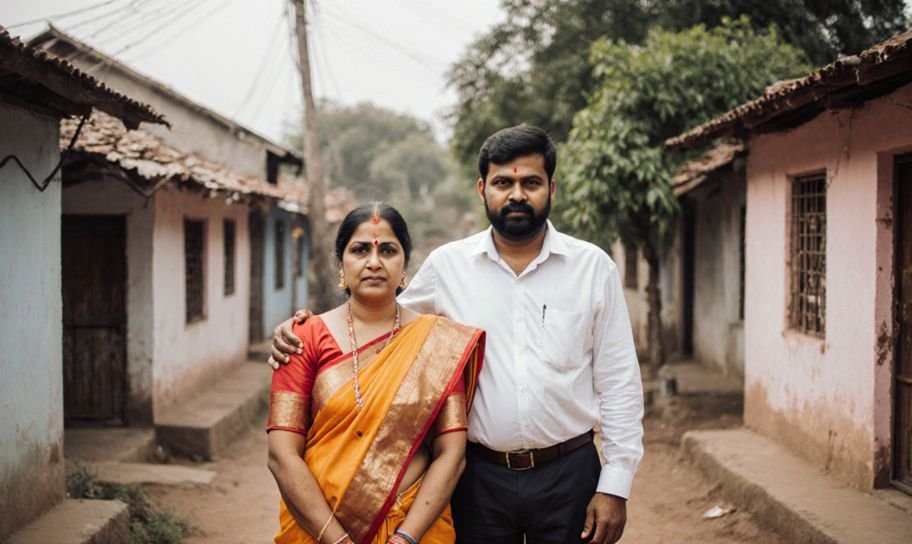
Summary: Recently, the Bombay High Court decided on the caste status of Surekha Dinkar Thakar. The court ruled in Surekha's favor, telling the Scrutiny Committee to give her a certificate that shows she belongs to the Thakar Scheduled Tribe.
On January 14, 2026, the Bombay High Court looked into the case of Surekha Dinkar Thakar, who disagreed with the Scrutiny Committee's decision to deny her claim of belonging to the Thakar Scheduled Tribe. Judges M.S. Karnik and S.M. Modak listened to her case.
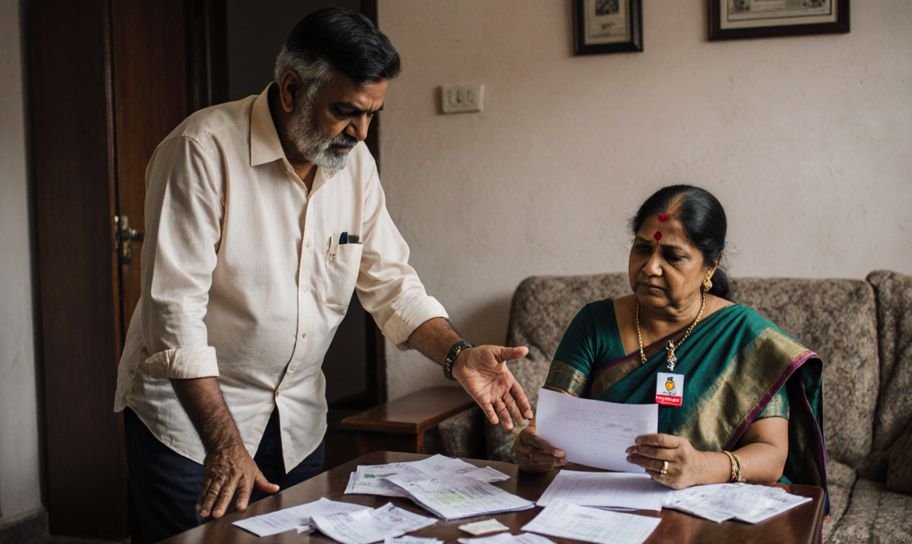
Surekha argued that her family connections supported her claim. Her first cousin, Pramod Sadashiv Thakar, had already been recognized as part of the Thakar tribe. She reasoned that if Pramod was acknowledged as a member, she should be too. The court agreed, saying:
"There cannot be inconsistency among the caste of blood relatives from the paternal side."
The court referred to a previous important case, stressing that family members should be recognized as the same caste unless there is evidence of cheating.
The court canceled the Scrutiny Committee's earlier decision and ordered them to give Surekha her caste certificate within six weeks. The court also stated:
"The Petitioner is entitled to all consequential benefits."
The decision also impacted another case, Writ Petition No. 5034 of 2011, involving Dilip Dinkar Thakar. The court approved this petition using the same reasoning as in Surekha's case.
The Scrutiny Committee can review the caste status of Surekha's cousin, Pramod, if they suspect anything unusual. Meanwhile, Surekha and Dilip can expect to receive their caste certificates and the benefits associated with them.
This case shows the challenges of caste recognition in India and how family connections play a role in legal decisions.