In a big win for the residents of Rakhmabai Mhatre Chawl in Mulund (East), Mumbai, the Bombay High Court has canceled the notices issued by the Municipal Corporation of Greater Mumbai (BMC) that labeled their homes as unauthorized. Let's dive into what happened.
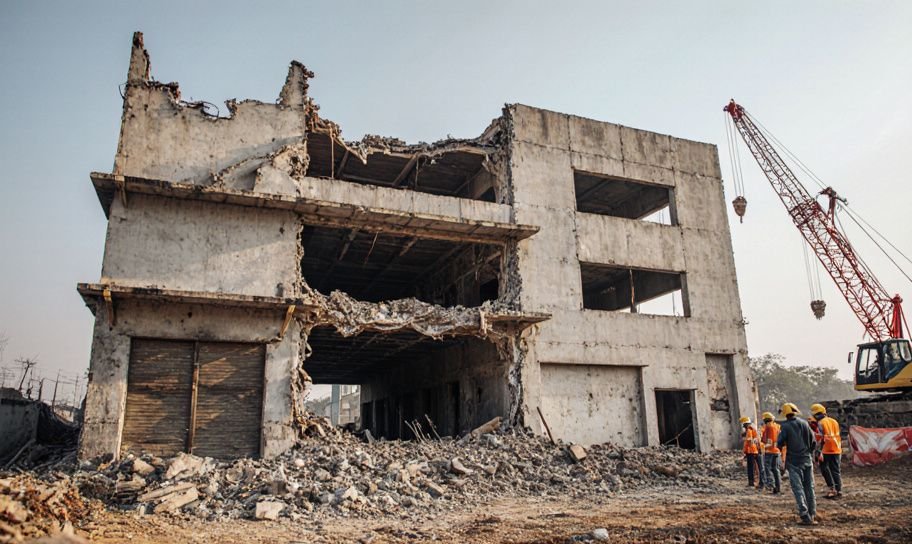
On March 15, 2025, the BMC issued notices to six residents, including Sudhir Sambhaji Jadhav, claiming their homes were unauthorized. These notices were part of a larger redevelopment issue, with the BMC acting on behalf of the current landlord, a developer.
The case was heard by Judge Milind N. Jadhav, who reserved the decision on December 15, 2025, and announced it on January 5, 2026. The residents, represented by Mr. Amit Ashok Gharte, argued that their homes had existed since before 1962, supported by documents like ration cards and tax bills dating back decades.
“The action of the Corporation is at the request of the landlord,” argued Mr. Gharte.
The court found strong evidence, such as voter lists from 1983-1985 and property tax records, proving the existence of these homes for over 40 years. The chawl was built by the Mhatre family, and the residents’ tenancy was acknowledged when the property was sold to new owners in 2013.
The BMC’s notices were criticized for being unclear, lacking specific details about the alleged unauthorized constructions. The court noted that the BMC had collected taxes from these homes for decades, questioning the sudden claim of unauthorized status.
Judge Jadhav canceled the BMC’s notices and orders, stating they were not valid. The court directed that no forceful action be taken against the residents until the legal proceedings are resolved.
“The homes of the Plaintiffs are fully protected from any forceful action,” the judgment declared.
This judgment is a significant relief for the residents, allowing them to stay in their homes without fear of eviction. It also sets an example for similar cases where redevelopment pressures clash with long-standing tenancies.