In an important decision, the Bombay High Court at Nagpur dismissed a criminal case against two police officers accused of police violence. The decision, made by Justice Urmila Joshi-Phalke on January 28, 2026, dealt with difficult questions about whether government permission is needed to charge government workers.
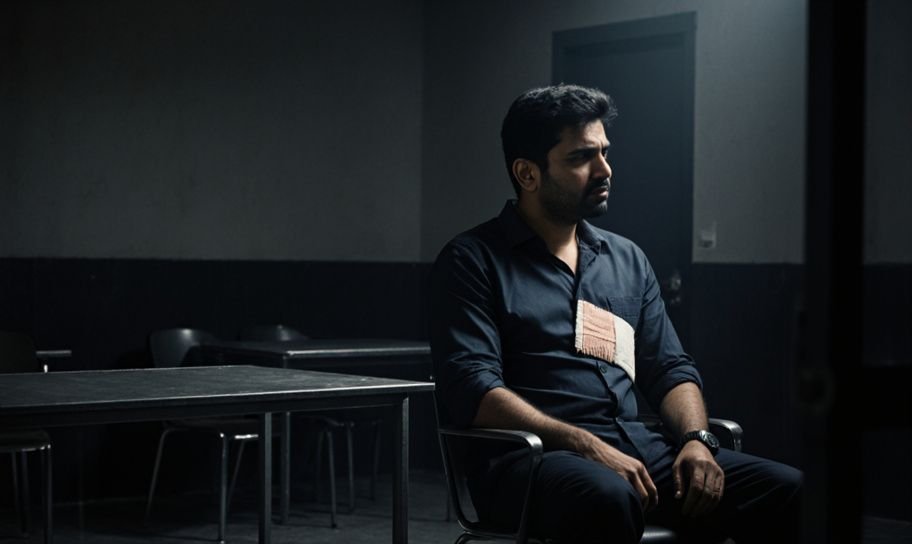
The case started with accusations against Manesh Chate, a retired officer, and Vikram Sali, a current police officer. They were accused of misusing their power during an investigation in Wardha on March 25, 2013. Anup Jaiswal, the person who complained, said he was badly hurt because of police violence while in custody.
Anup Jaiswal filed a case under laws related to causing harm, claiming serious injuries. The Magistrate initially moved forward with the case against Manesh Chate and Vikram Sali, but this decision was challenged in a higher court, which supported the charges related to serious injury.
"The medical report showed a broken 11th rib," said Anup Jaiswal.
The defense argued that Manesh Chate and Vikram Sali were doing their jobs, so they needed government permission under a specific law before they could be charged. They mentioned past decisions that stressed the need for permission when actions are linked to official duties.
Justice Joshi-Phalke looked into whether the alleged actions were part of their official duties. Referring to the Supreme Court's rules, she noted:
"Permission is necessary if there's a reasonable link between the act and official duty."
The court found that the actions of Manesh Chate and Vikram Sali, although too harsh, were related to their duties, and permission was needed before they could be charged.
The court dismissed the criminal case, allowing Anup Jaiswal to ask for government permission if he wanted to continue with the case.
This decision highlights the legal protection given to government workers and clarifies when government permission is needed. It shows the balance between holding police officers accountable and protecting them while they do their jobs.
This case serves as a reminder of the challenges in charging public officials and the importance of following legal procedures correctly.