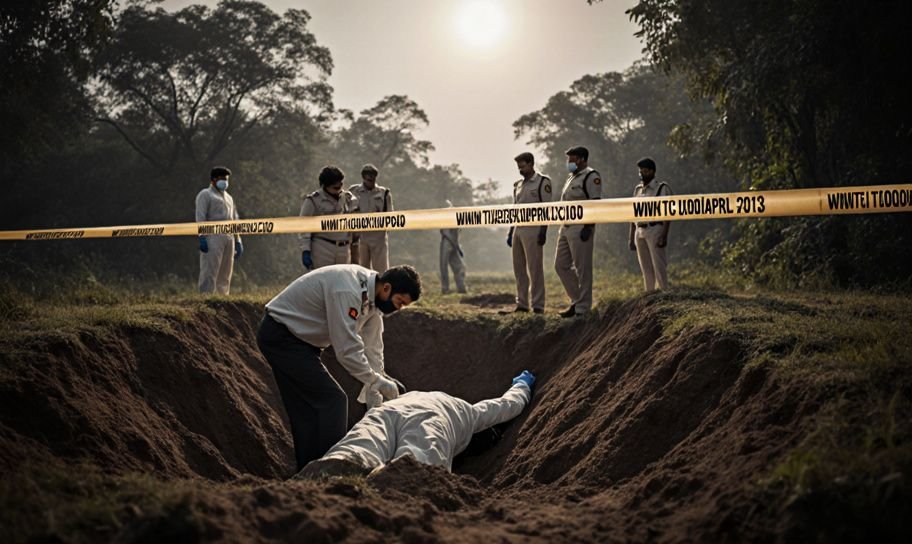
Quick Summary: Recently, the Bombay High Court at Aurangabad decided to cancel the detention order against Ibbu Kashim, a bootlegger from Beed, Maharashtra. The court found that there wasn't enough proof, especially about how his actions affected public health.
Ibbu Kashim, also known as Kasim Nuriwale, a 34-year-old from Gavlipura, Ambajogai in Beed district, was detained by the District Magistrate, Beed, on June 30, 2025. The order was approved on July 9, 2025, and further supported on August 29, 2025, by the Government of Maharashtra.
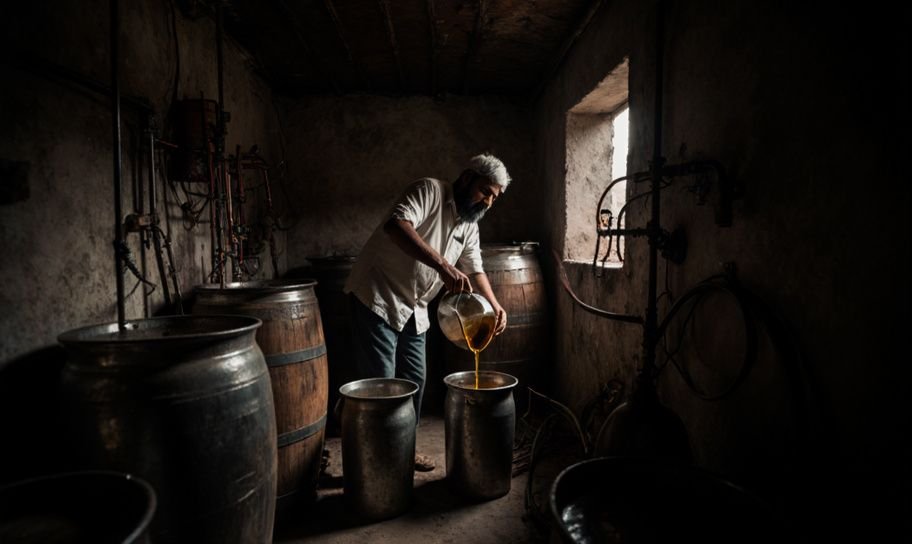
Kasim was accused of making and selling illegal homemade alcohol. The authorities mentioned two main crimes under the Maharashtra Prohibition Act, registered in 2025, along with statements from anonymous witnesses. However, these were only two out of nine registered crimes from July 2023 to February 2025.
Ibbu Kashim's Defense: Kasim's lawyer, Mr. S. J. Salunke, argued that the detention orders were unfair. He pointed out the lack of lab reports to prove the liquor was harmful to public health. He also emphasized that the anonymous witnesses' statements were not enough to prove a disturbance to public safety.
Prosecution's Stand: The government's lawyer argued that Kasim was a "dangerous person" under the Maharashtra Prevention of Dangerous Activities Act (MPDA). They claimed that Kasim's activities disturbed public safety and health.
Lack of Evidence: Judges Sandipkumar C. More and Y. G. Khobragade noted the absence of lab reports to confirm the liquor was dangerous. They emphasized the need for such evidence to justify detention under the MPDA.
Witness Statements: The court found the anonymous witnesses' statements to be unclear and not showing a threat to public safety.
The court referred to previous cases, including:
These cases highlighted the need for solid evidence to justify detention for activities affecting public health.
On November 24, 2025, the court canceled the detention order, deciding in favor of Ibbu Kashim. The judges ordered his immediate release unless he was needed for any other offense.
"The material on record is undoubtedly insufficient to categorize the petitioner as a 'dangerous person' or 'bootlegger.'" - Judgment by Justices More and Khobragade.