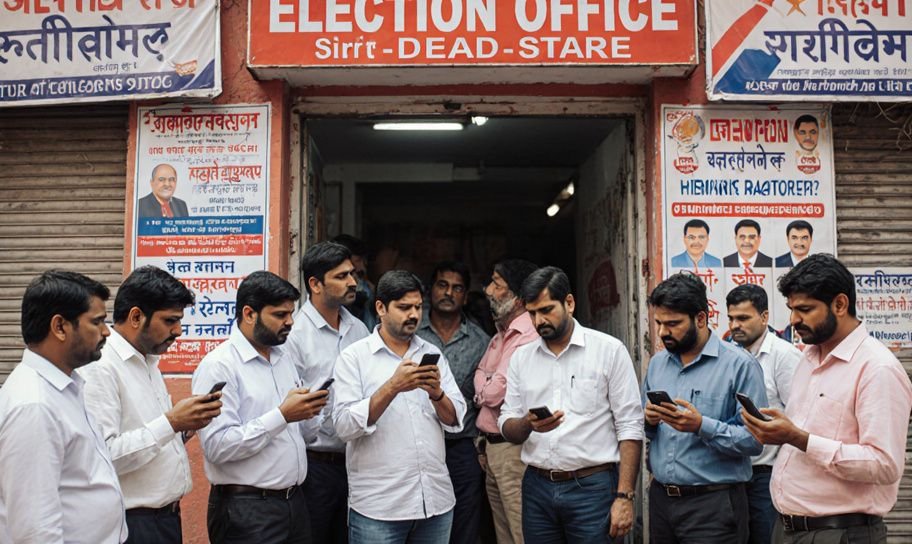
Quick Summary: The State Election Commission of Maharashtra decided to delay local elections just 72 hours before voting, causing a stir among candidates. The decision was made because some nomination appeals were still unresolved. The court criticized the timing but agreed with the delay.
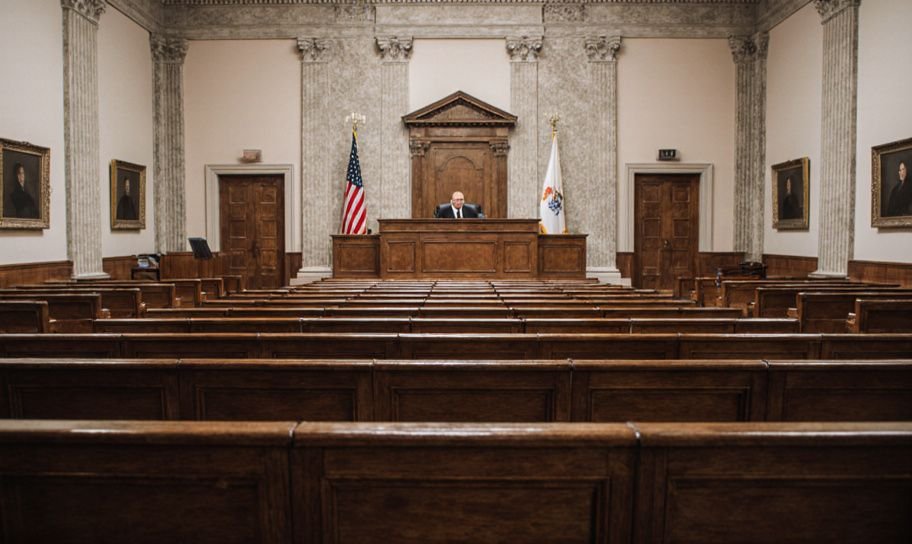
The case involves several petitions, with Vinod Pundlikrao Chinchalkar leading the charge against the State of Maharashtra and the State Election Commission. The judgment was made by Judges Vibha Kankanwadi and Hiten S. Venegavkar on December 2, 2025, at the Bombay High Court, Aurangabad Bench.
The State Election Commission decided to delay elections for several local councils. This was because some candidates' nomination appeals were still unresolved, and they hadn't been given a chance to withdraw if their appeals were successful.
Vinod Pundlikrao Chinchalkar and other petitioners argued that the delay was unfair and last-minute. They claimed the Commission should have anticipated these issues and planned better since the election schedule was announced on November 4, 2025.
The Commission defended its decision, citing its powers to ensure fair elections. They argued that the delay was necessary to give all candidates a fair chance.
The court agreed that the Commission had the authority to delay elections but criticized the timing as lacking foresight. They decided not to cancel the election schedule but ordered that results be declared only after all elections are completed to avoid influencing voters.
The court directed that all election results be declared together on or after December 21, 2025. They also instructed the Commission to create guidelines to prevent such last-minute disruptions in the future.
This case highlights the complexities of managing elections and the need for careful planning to uphold democratic processes.