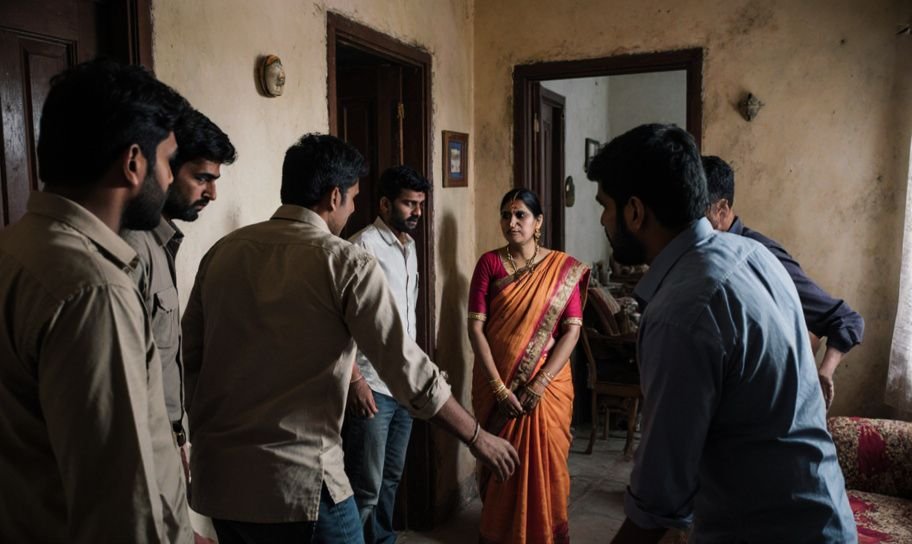
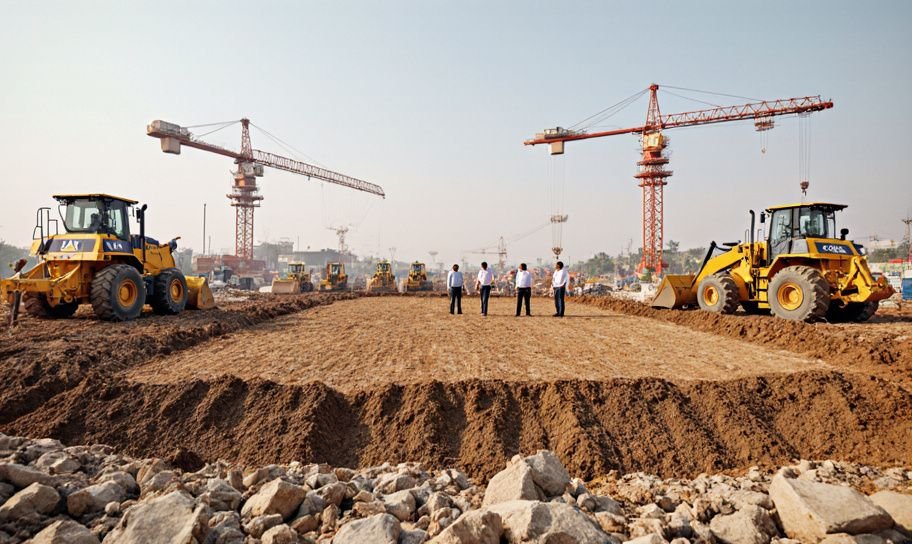
In a recent court decision, a group of farmers from Vaijapur, Maharashtra, challenged the payment they received for their lands taken by the government. The case focused on whether they should get more money than initially offered, especially considering additional factors like trees and wells.
On February 3, 2026, the High Court of Bombay at Aurangabad heard several appeals about payment for lands taken by the state. The original payment, given on November 22, 1990, offered Rs. 370 per R for dry lands and did not include compensation for other things like wells and trees.
In a related case, Hiralal Kishansingh Rajput had his land valued at Rs. 1,500 per R for dry land and Rs. 2,250 per R for irrigated land in 2015. This became the standard, or "Initial Payment," for others to seek higher compensation.
"The farmers approached the S.L.A.O. under Section 28-A and claimed compensation more than the rate set in the Initial Payment."
Mr. Anand Bhandari, representing the farmers, argued that they deserved more than the initial rates. He stressed the need for payment for wells, trees, and buildings, which were not initially considered.
On the other hand, Mr. Rahul Tambe, representing the state, argued that the process of re-evaluating should not mean starting everything over. He insisted that the payment should not exceed the initial rates.
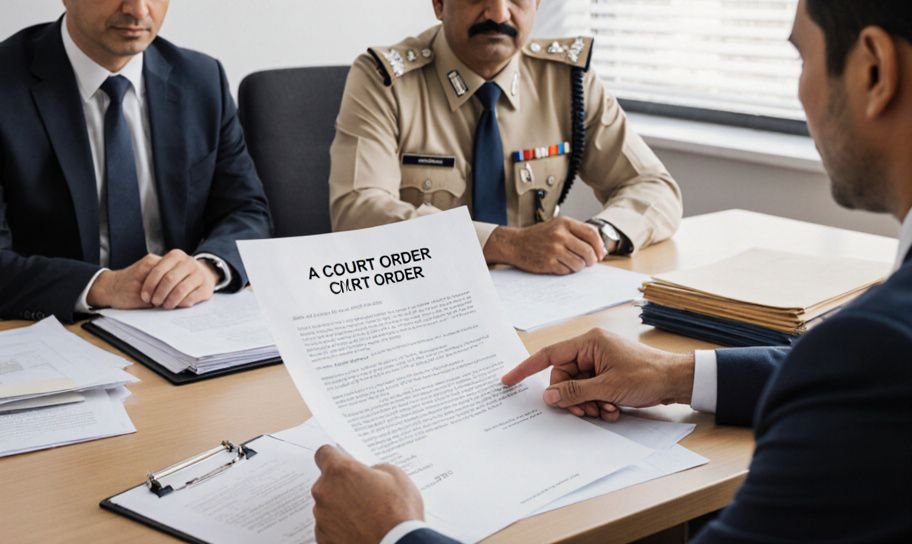
Judge Shailesh P. Brahme ruled on February 27, 2026, that:
"The Reference Court made a clear mistake in not awarding these rates to the farmers."
Increased Payment: The court acknowledged the need for fair payment, exceeding the initial rates for irrigated lands.
Additional Factors: The Reference Court was directed to reconsider the payment for assets like trees and wells, which were initially ignored.
Legal Precedents: The decision was influenced by past judgments that emphasized fair payment for farmers who are not well-off.
In conclusion, the court recognized the farmers' right to receive higher compensation for their lands, taking into account additional factors that were initially overlooked.