In a recent decision dated December 4, 2025, the Bombay High Court decided that canned pineapple slices and similar products don't count as "fresh fruits" for tax exemption under the Bombay Sales Tax Act. Let's break down what happened.
The case was between the Commissioner of Sales Tax, Mumbai, and Sudha Instant Soft Drinks and Essences, based in Nagpur. The main question was whether products like canned pineapple slices and fruit cocktails could be considered "fresh fruits" and thus exempt from tax.
The Maharashtra Sales Tax Tribunal had earlier decided in favor of Sudha Instant Soft Drinks. They relied on a Supreme Court decision involving Pio Food Packers, which suggested that canned pineapple slices could be seen as fresh fruits under certain conditions.
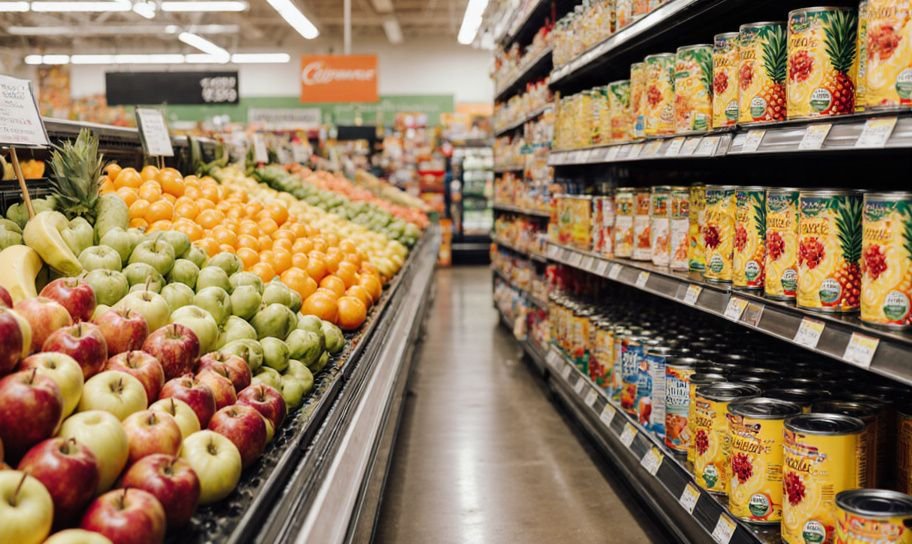
Judges M.S. Sonak and Advait M. Sethna, however, disagreed. They used the "everyday language test," which means looking at how regular people understand these terms. They argued that nobody would consider canned pineapple slices as fresh fruit when shopping for fresh produce.
"Would a householder, when asked to bring home some 'fresh fruit,' bring canned pineapple slices?" - The Court
The court pointed out that the Tribunal misunderstood the context of the Pio Food Packers case. The issue there wasn't about classifying fresh fruits but about the manufacturing process. The judges emphasized that the term "fresh" clearly excludes canned and preserved products.
In the end, the court decided in favor of the Revenue Department. Canned fruits like pineapple slices don't get the tax exemption meant for fresh fruits. This decision highlights the importance of understanding legal terms as they are commonly used.
This decision means that businesses dealing in canned fruits in Maharashtra will not get the same tax benefits as those dealing in fresh fruits. It's a reminder of how specific legal interpretations can impact everyday business operations.