Summary: On January 28, 2026, the Madras High Court decided on a property disagreement between two brothers, R. Kumar and R. Kandan, about a wall built in the wrong place in Chennai. The court called for a new check to confirm the situation.
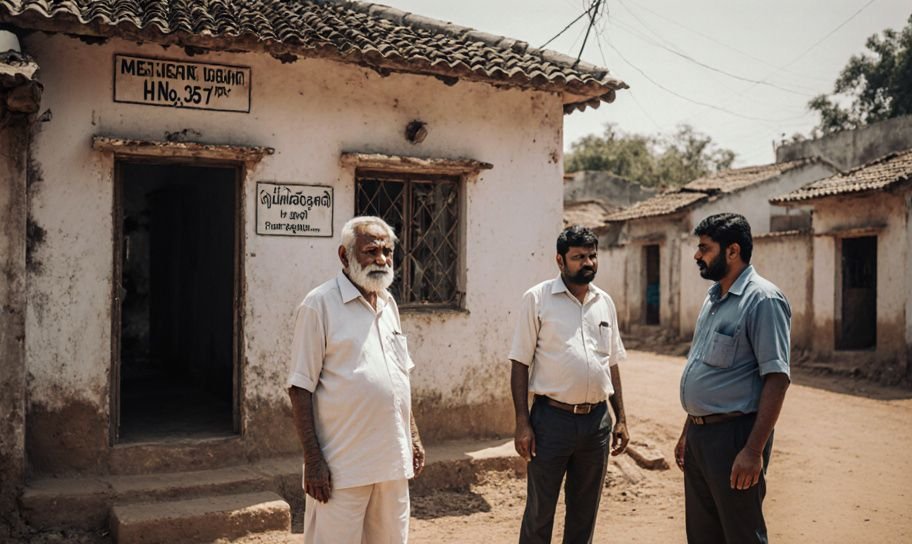
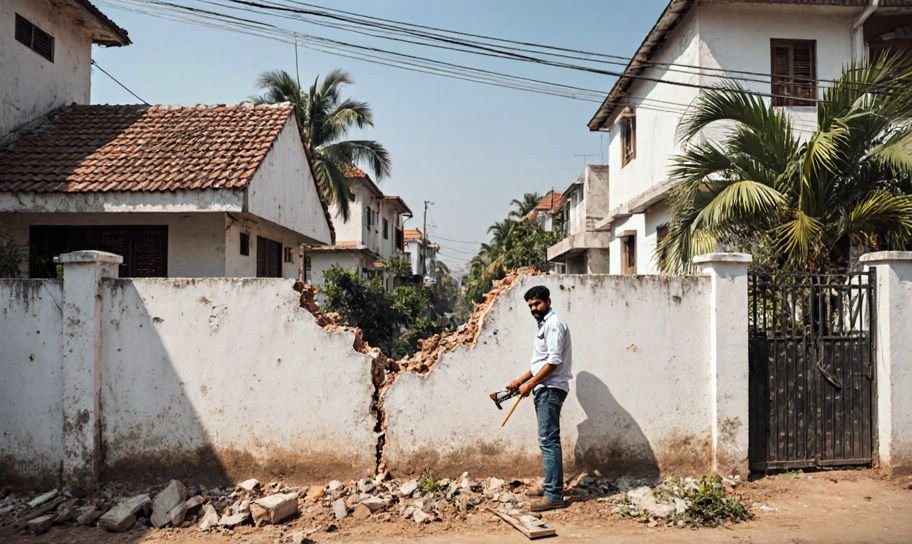
R. Kumar and R. Kandan, who live in Meenambal Nagar, Korukkupet, Chennai, were arguing in court about a wall. R. Kumar was said to have built the wall on R. Kandan’s land, leading to a lawsuit starting in 2012.
The XXVII Assistant City Civil Court in Chennai had already decided in favor of R. Kandan on January 31, 2025. The court ordered that the wall be taken down after R. Kandan complained about the wall taking up 79.15 square feet of his property.
R. Kumar, with his lawyer V.K. Rajagopal, said he had already taken down the wall and built a new one on his own land. He insisted he followed the court's orders, but the problem continued because of a mix-up.
Even though R. Kumar claimed he fixed the issue, a court-appointed official found that the wall was still in the wrong place. This was a major disagreement, especially since R. Kumar did not question this finding.
"The official has clearly reported that even though a new construction was made, the wall is still in the wrong place."
Justice P.B. Balaji, noting that the two are brothers, gave R. Kumar another opportunity. He ordered another check by a lawyer and a surveyor from the Tamil Nadu Slum Clearance Board. This check must happen by the end of April 2026.
If the new check shows that the wall is still in the wrong place, R. Kumar has to remove it himself within four weeks. If he doesn’t, the court’s original decision will be enforced. R. Kumar will also have to pay for the costs of the official overseeing the process.
This case shows how even small property disagreements can grow into big issues and the importance of following court orders and communicating clearly.