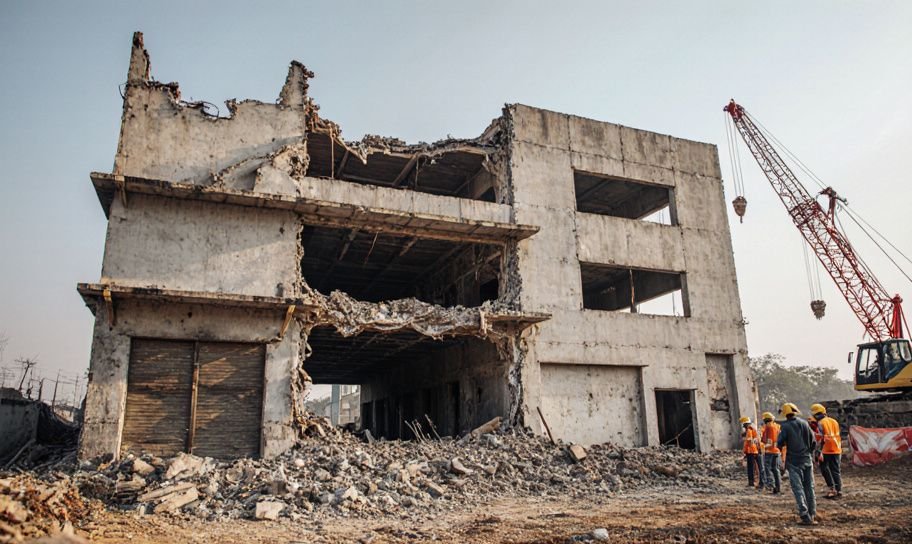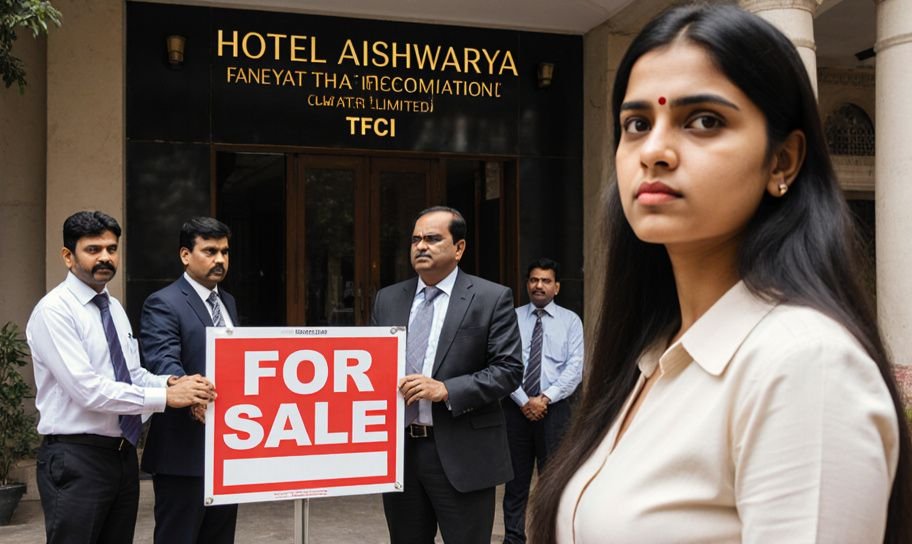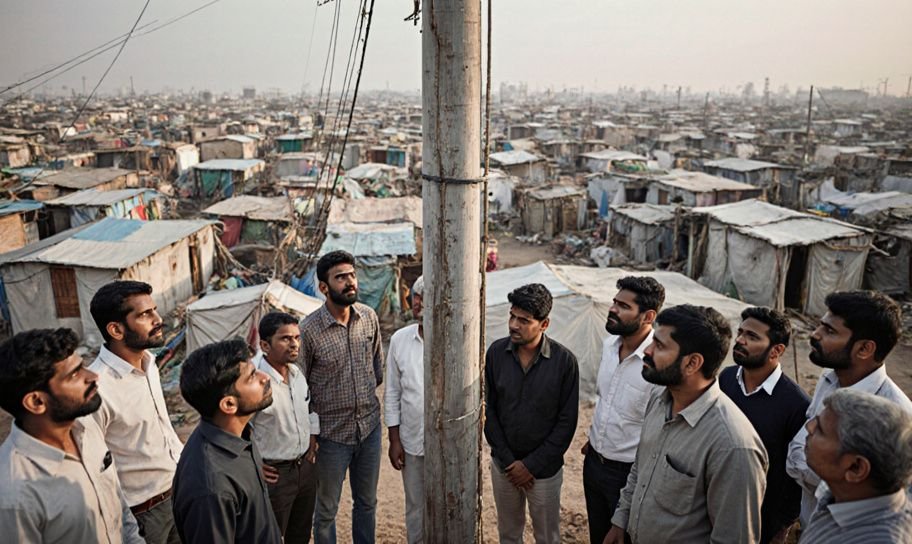
Summary: Residents of Jai Hind Camp, Vasant Kunj, have been denied electricity connections because the land they live on isn't recognized as government land. The court agreed with this decision, pointing out that the land is privately owned.
The case started when Azidul Hoque and others filed a request against BSES Rajdhani Power Ltd. They wanted the court to cancel letters from July 2025 that refused them electricity. Azidul Hoque and the other residents argued they lived in a recognized area and had voter ID cards to prove they lived there.
The main problem was who owns the land. The land where Azidul Hoque and the other residents live is private, not part of any government-recognized informal settlement. Previous court cases had already decided in favor of private owners, confirming they own the land.
“The land in question is private land, and not part of any JJ Cluster.” - Court Documents
Three major decisions had already been made about this land, all supporting the private owners. Azidul Hoque and the other residents argued they weren't involved in those cases, but the court noted they had filed appeals which were still waiting to be heard.
Judge Mini Pushkarna ruled against Azidul Hoque and the other residents. The court said that since the land is privately owned, they can't use voter ID cards alone to prove their right to electricity. The court stressed the need for proper documents showing ownership.
The court referred to the Electricity Regulations of 2017, which require proof of ownership or occupancy for new connections. Since the land isn't part of a recognized informal settlement, Azidul Hoque and the other residents couldn't benefit from exceptions in the rules.
The court dismissed the request, leaving the residents without electricity. The decision shows how complicated land ownership can be and the challenges people in informal settlements face.
“Considering the submissions made before this Court, no merit is found in the present writ petition.” - Justice Mini Pushkarna